

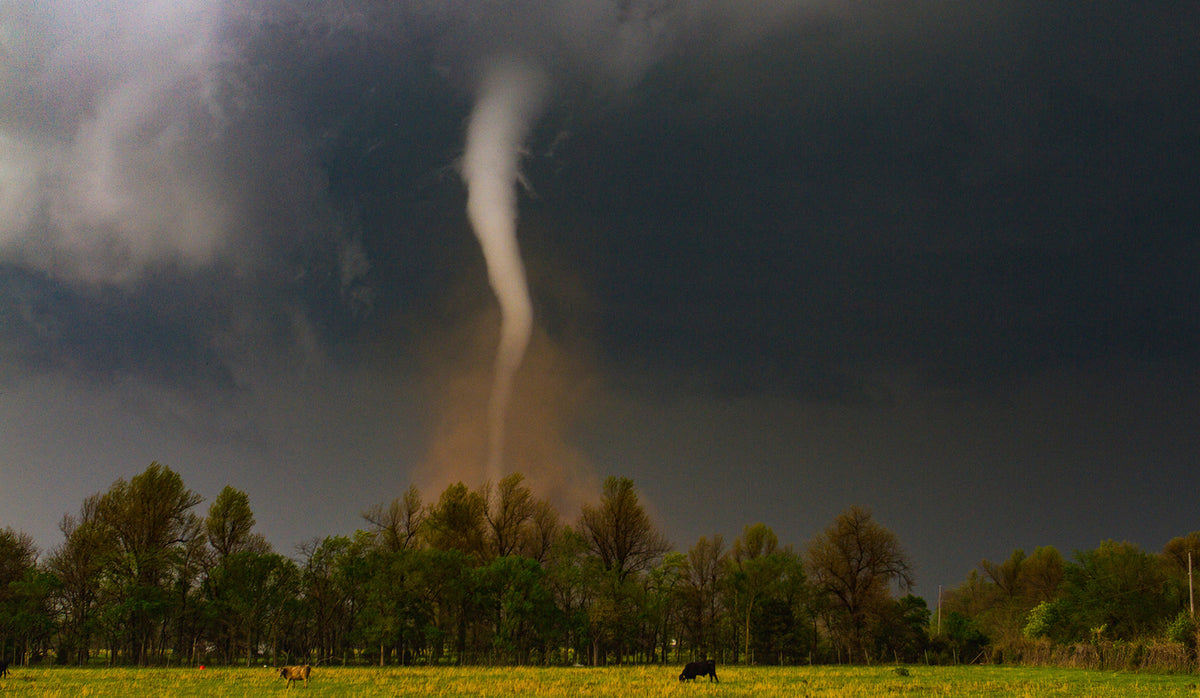
When a tornado warning is issued, you have important minutes and seconds to save yourself, but will you hear the warning? As a severe weather expert, my number one piece of advice is: have multiple, redundant ways to receive warnings, including a NOAA Weather Radio.
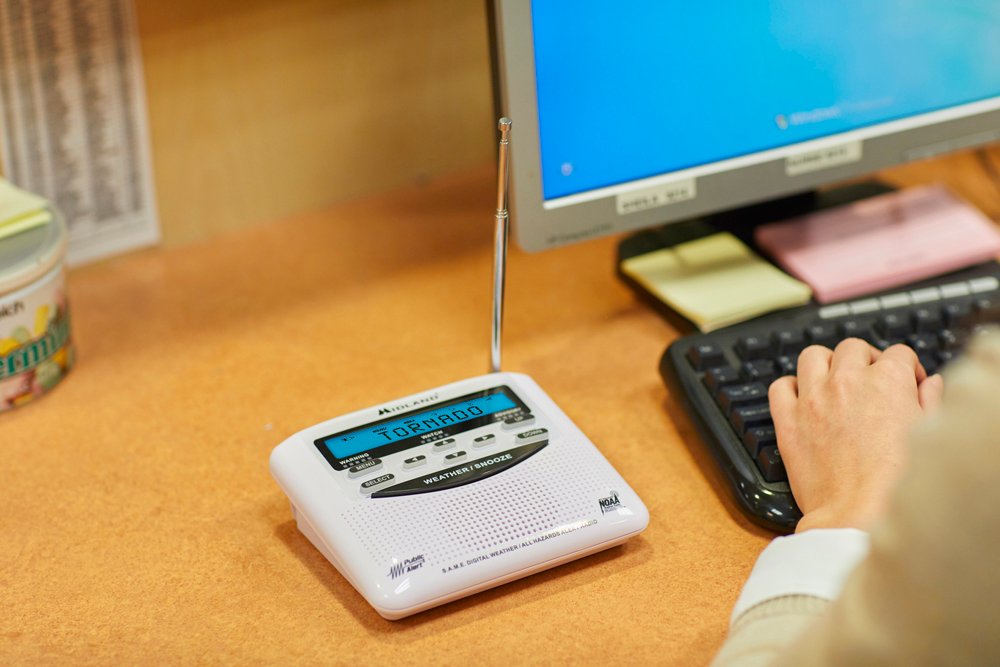
Unfortunately, if you or someone on your family are deaf or hard-of-hearing, you may never hear that radio, or your cell phone, or the TV. It’s one reason why the deaf community is at higher risk of injury or death when severe weather strikes.
Midland’s new bright white strobe light (model STR180) and vibrating pillow shaker (model SHKR) are designed to alert you when you’re not paying attention, or if you simply cannot hear your radio’s warning tone.
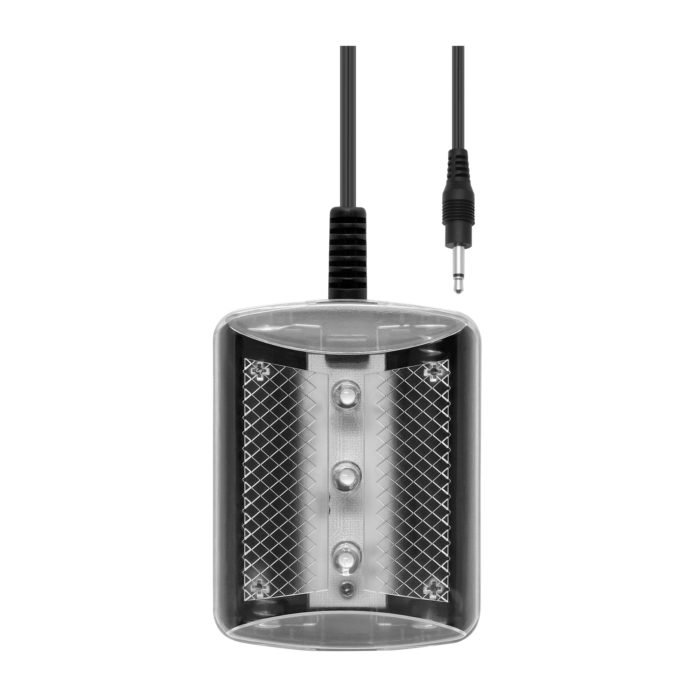
We chose white light because it’s the brightest, most attention-grabbing color, with more attractive power than red light. White light casts shadows, and it extends beyond the room to grab attention down the hallway.
If you are asleep, the pillow shaker vibrates to awaken you, even if you have total hearing loss.
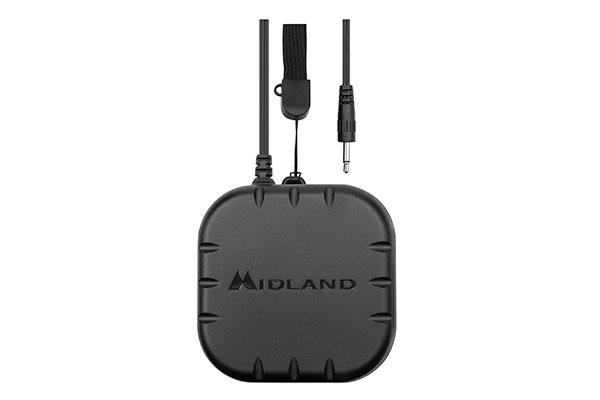
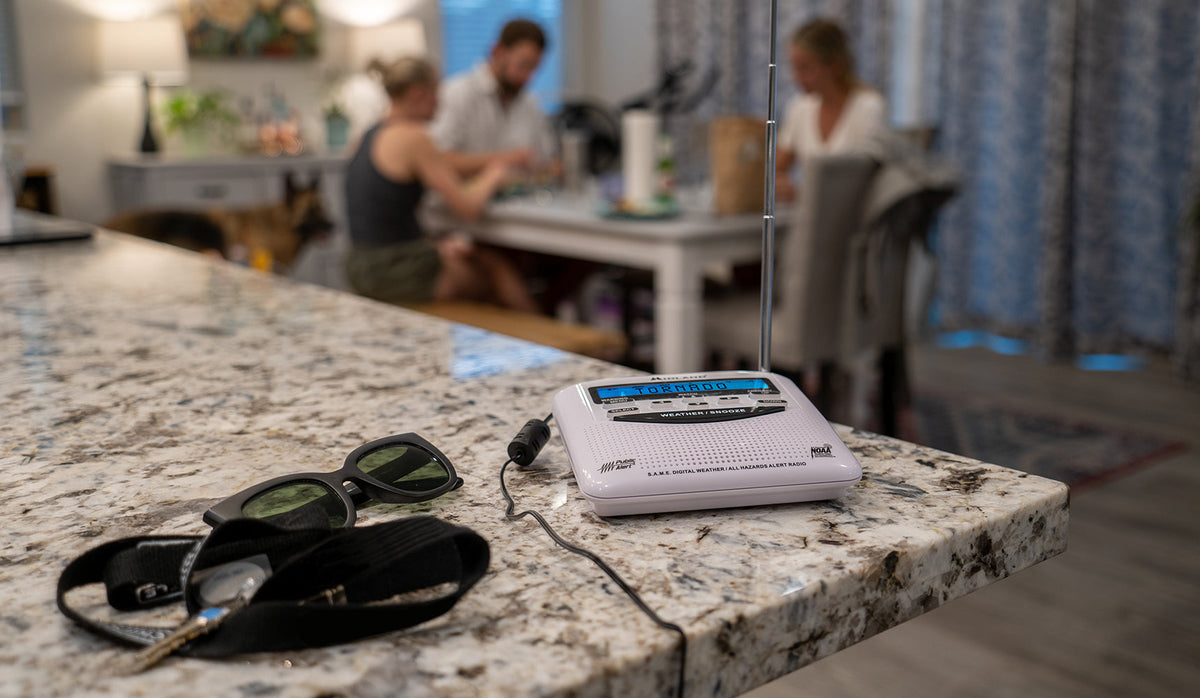
The STR180 strobe and SHKR pillow shaker work with Midland’s WR120, WR300, and WR400 desktop weather radios. The EXTERNAL ALERT port on the back of the radio accommodates one device, but with the Midland SPLTR cord accessory, you can plug both the strobe and the shaker into your weather radio, creating an alerting device almost guaranteed to get your attention.
The STR180 strobe and SHKR are sold in a “bundle pack” with the splitter cord, and a pillow clasp to keep the shaker in place while you sleep. When a weather alert is issued for your county, your weather radio’s 80-decibel alert tone sounds, the white strobe light flashes brightly, and the pillow shaker vibrates. It’s the most thorough way I know to alert someone with hearing loss, or anyone who is an exceptionally deep sleeper.


Share:
The Cheapest Life Saver You’ll Ever Buy
The Best MicroMobile® Range YouTube Review Videos