

Meteorologists and emergency managers occasionally hear people say, “the tornado struck without warning.” However most of the time, there WAS a warning in effect, but for some reason this person just didn’t know about it. We encourage everyone to have multiple, redundant methods of receiving life-saving warnings, including phone apps, texting services, local TV and radio broadcasts, NOAA weather radio, and outdoor warning sirens. But remember outdoor warning sirens--often times called a tornado siren or emergency siren--are designed to be heard only when you are outdoors. For indoor warnings, rely on a NOAA Weather Radio…the indoor siren.
The Origin of the Tornado Siren and Other Outdoor Warning Sirens
What we today call tornado sirens debuted in the 1950’s as civil defense sirens, designed to warn of a nuclear attack. On June 8, 1966 Topeka, Kansas became the first community to use their civil defense sirens as an alert for an approaching tornado, and “tornado sirens” are now commonly tested and used in many cities throughout “Tornado Alley” and other storm-prone areas. Along the coast, these same sirens are most often used as “tsunami sirens” and in forested areas they are “fire sirens.”
Why You Can't Rely Solely on an Outdoor Warning Siren
Regardless of how they are used, these sirens are designed to warn you when you are standing or sitting outside. They are no longer a reliable way to receive warnings when you are indoors. Why? First, when these sirens debuted in the 1950’s and 1960’s most homes had no air conditioning and windows were frequently open. Today we keep windows shut to conserve air conditioning and those windows are now triple pane; three layers thick. Plus, modern insulation makes our homes much more energy efficient than homes of the past, and much quieter.
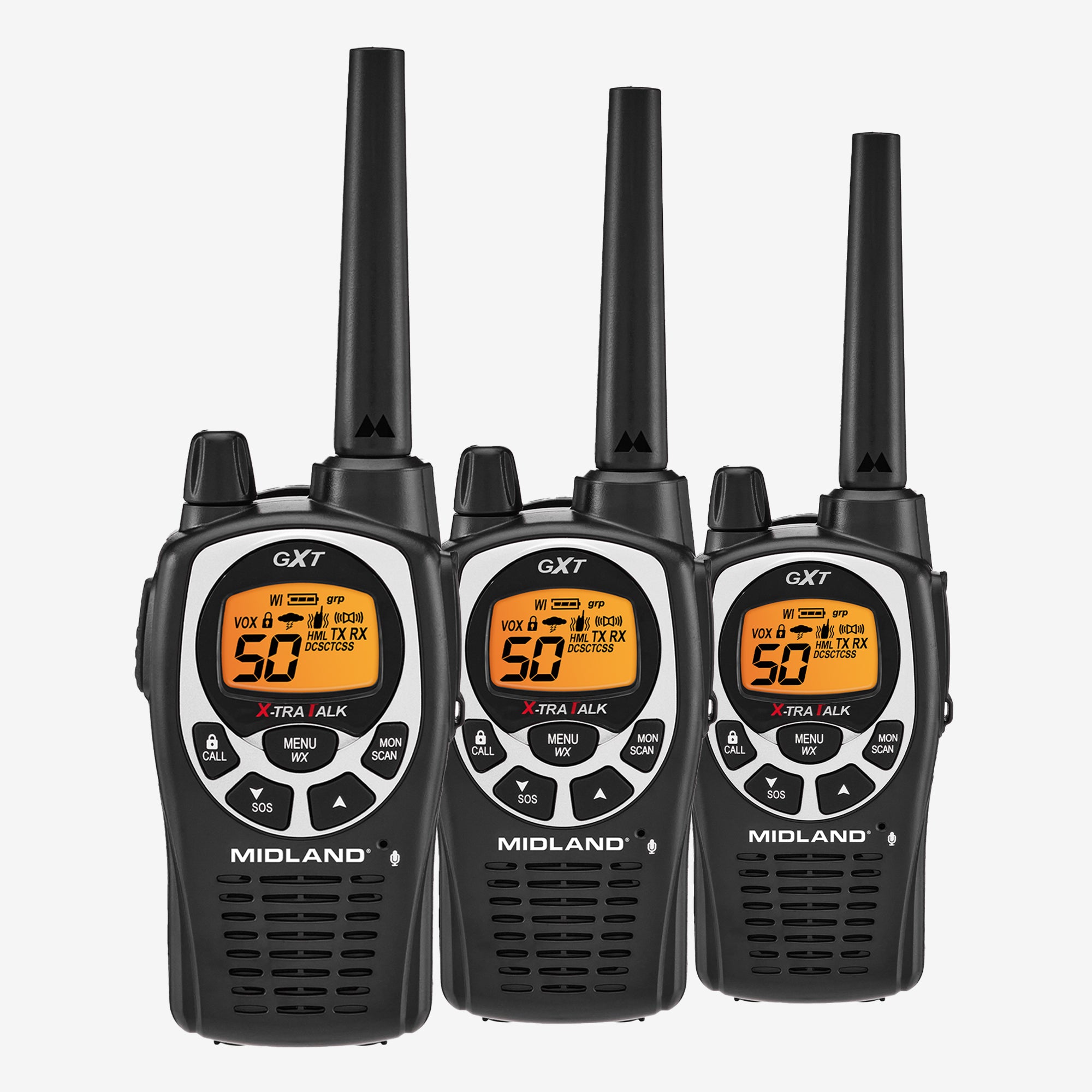
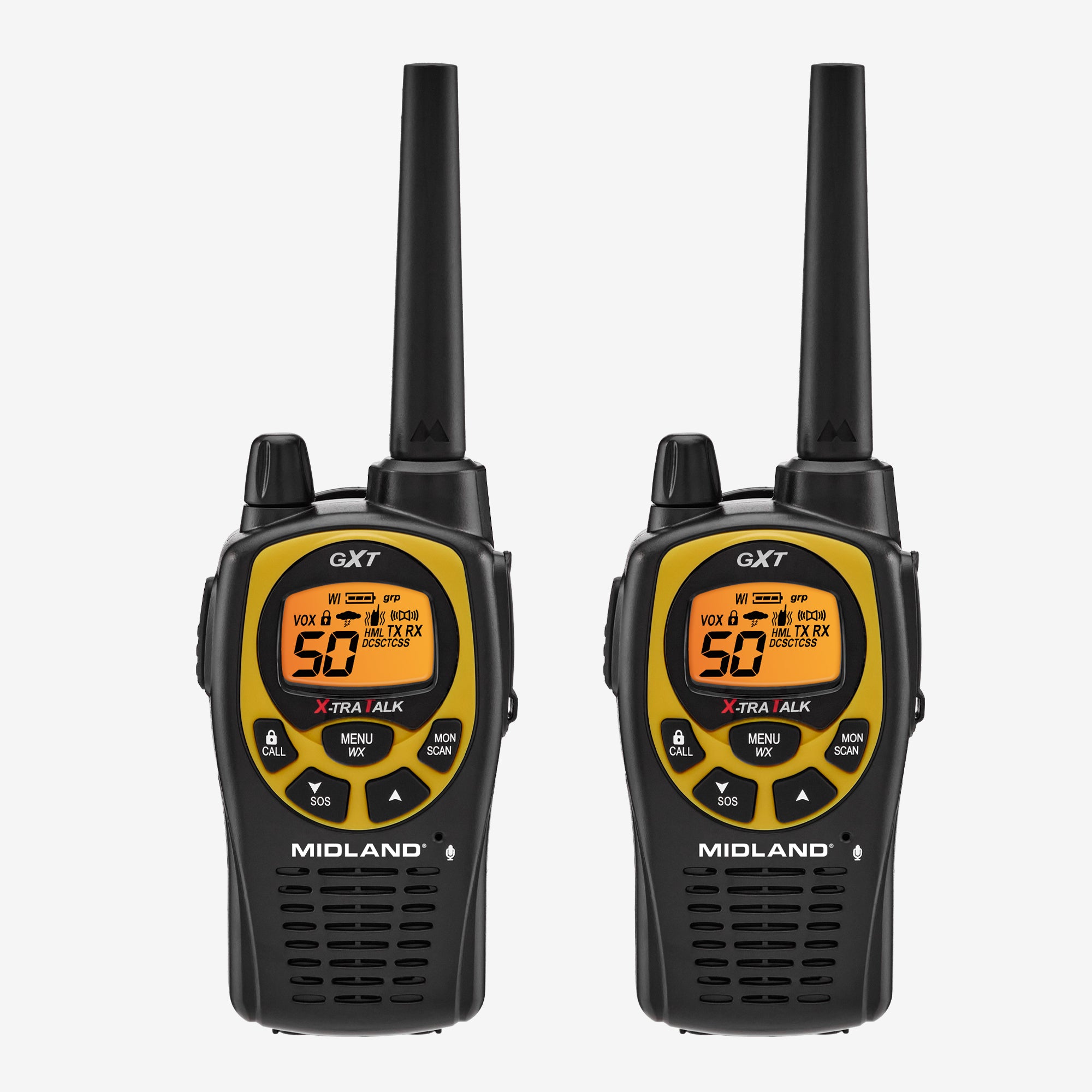
Using NOAA Weather Radios
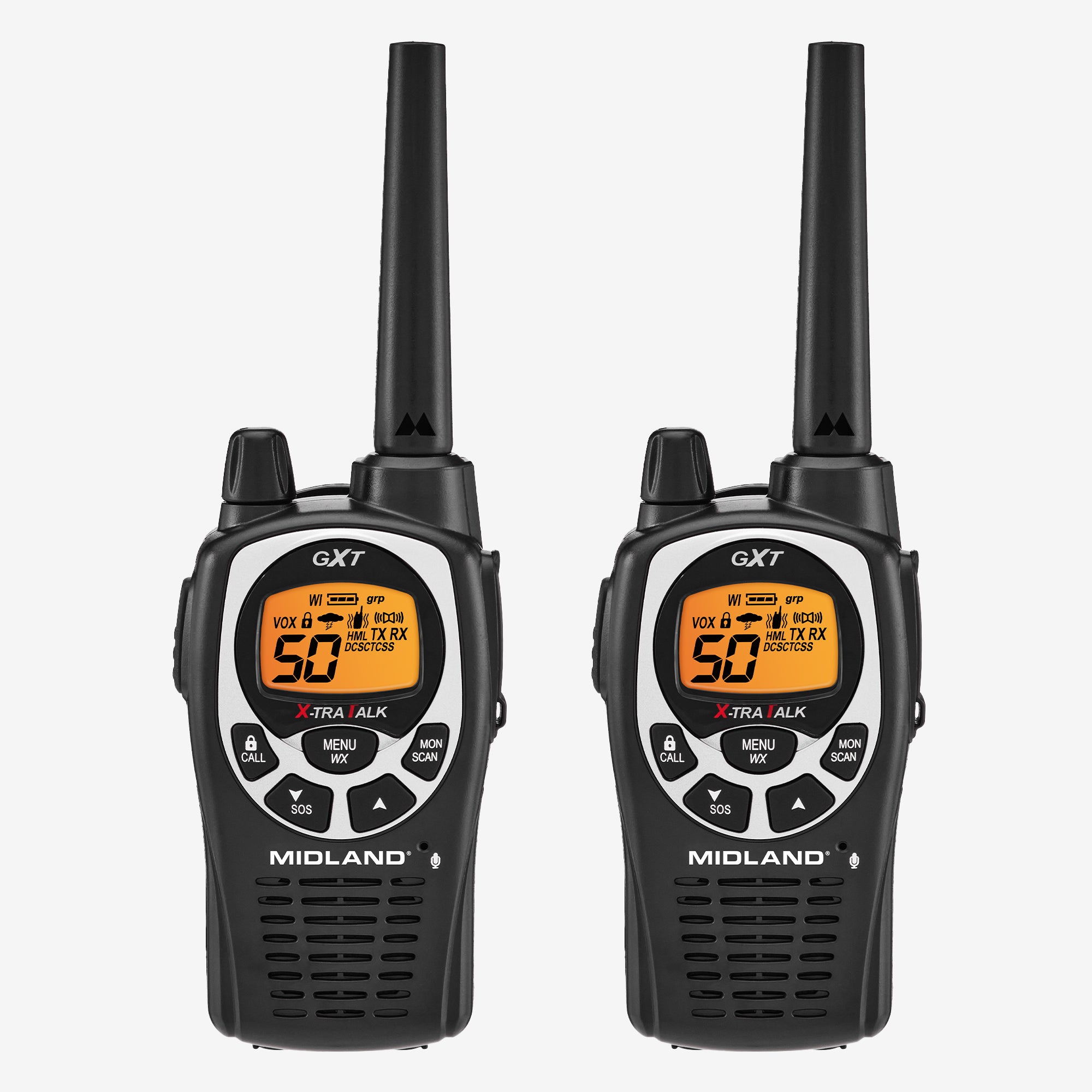
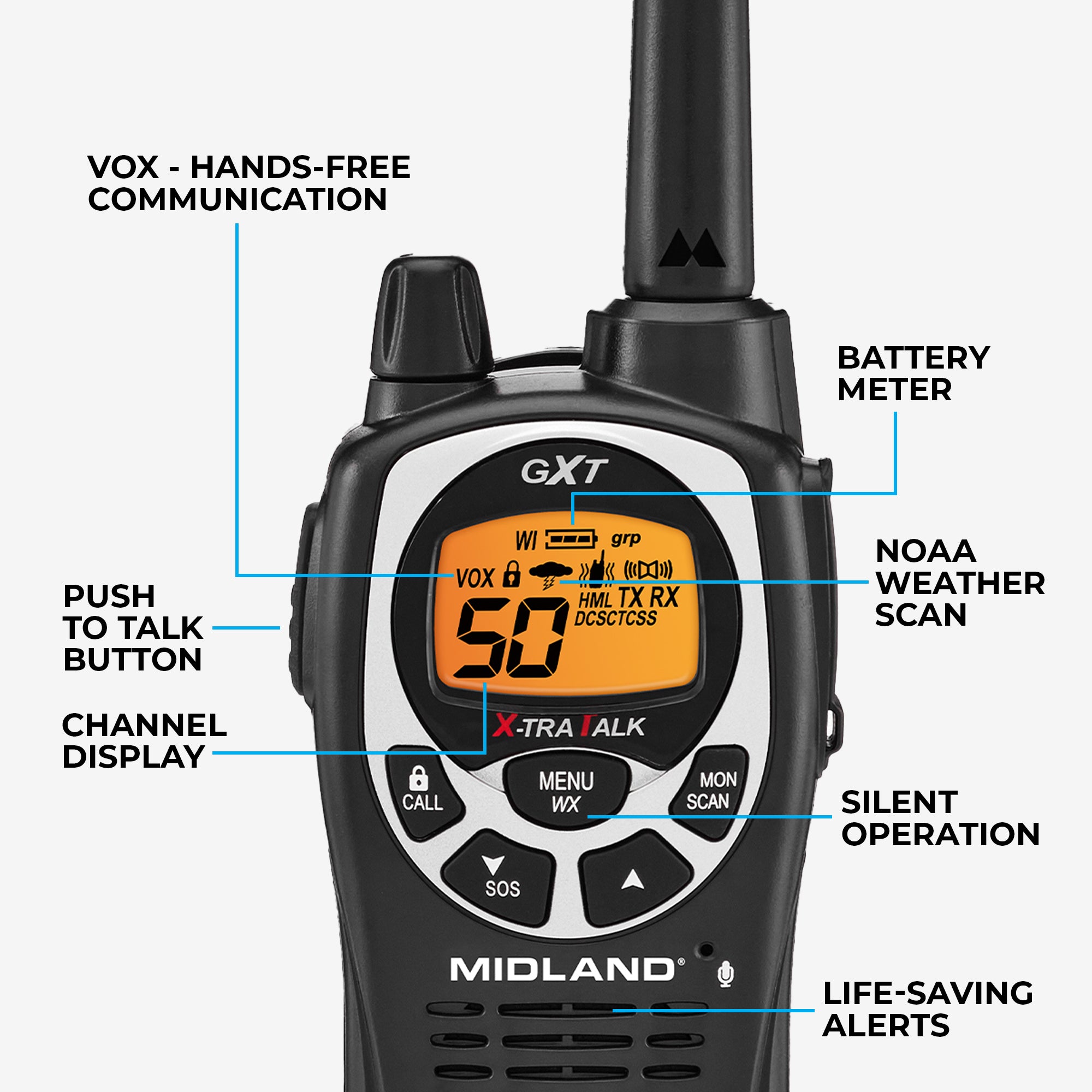
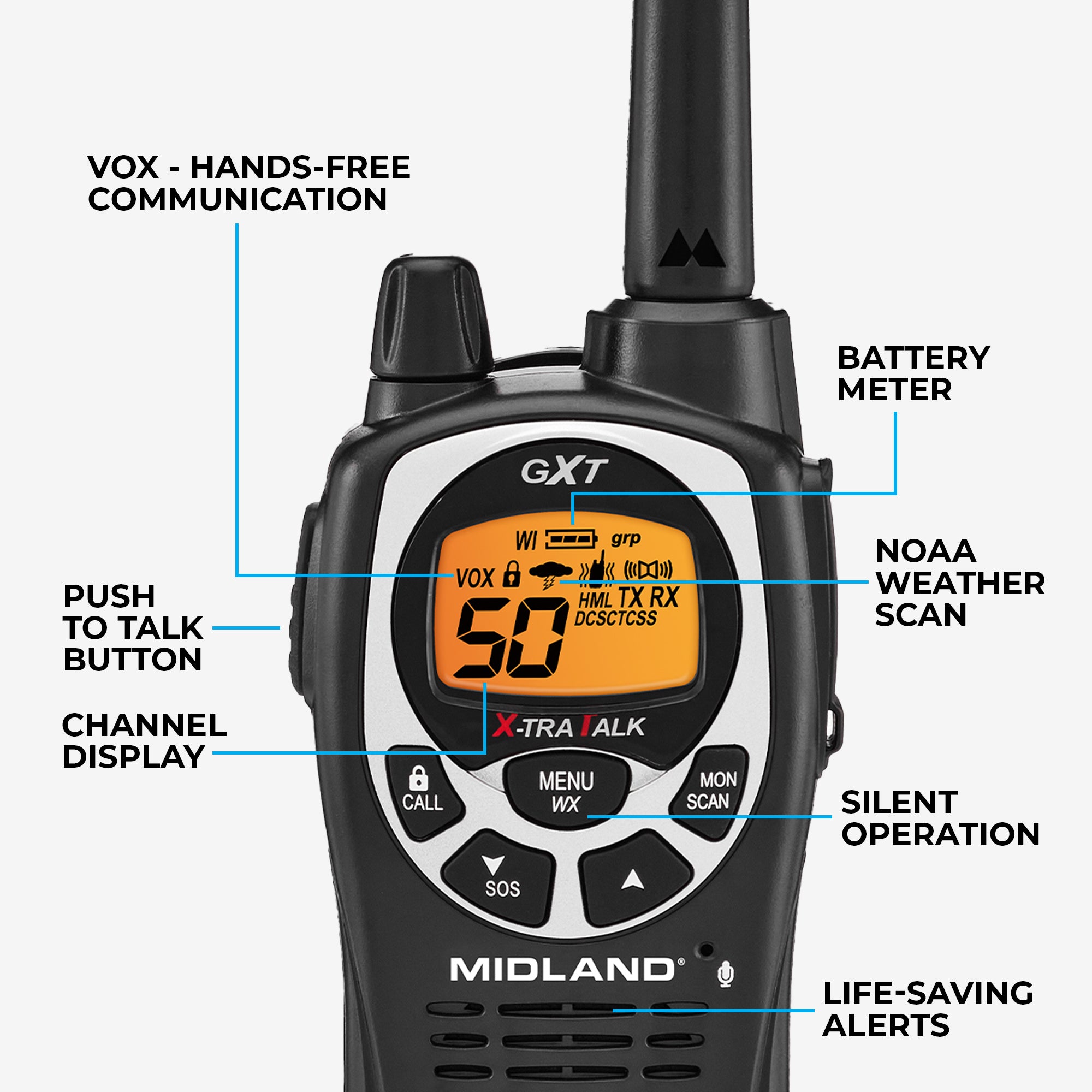
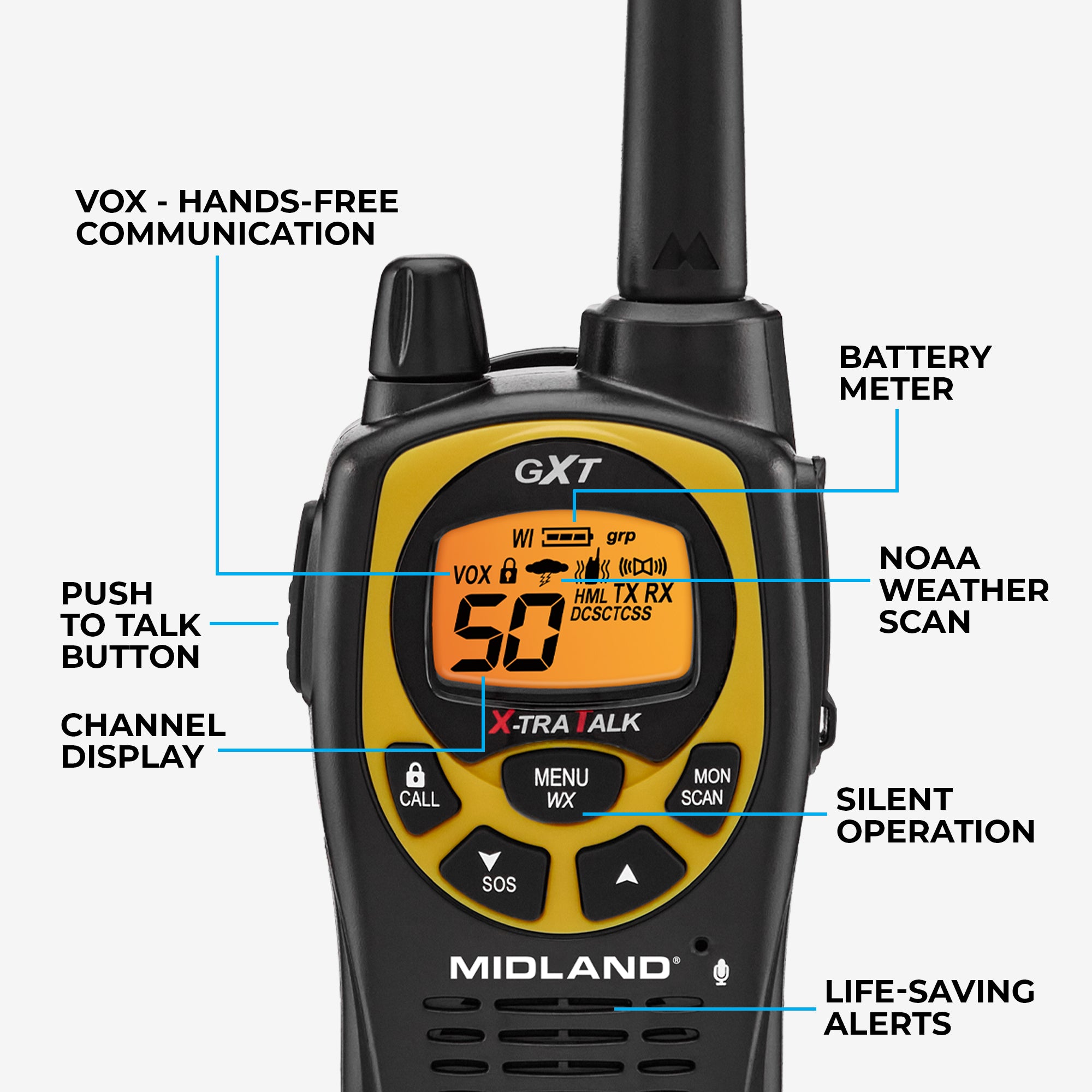
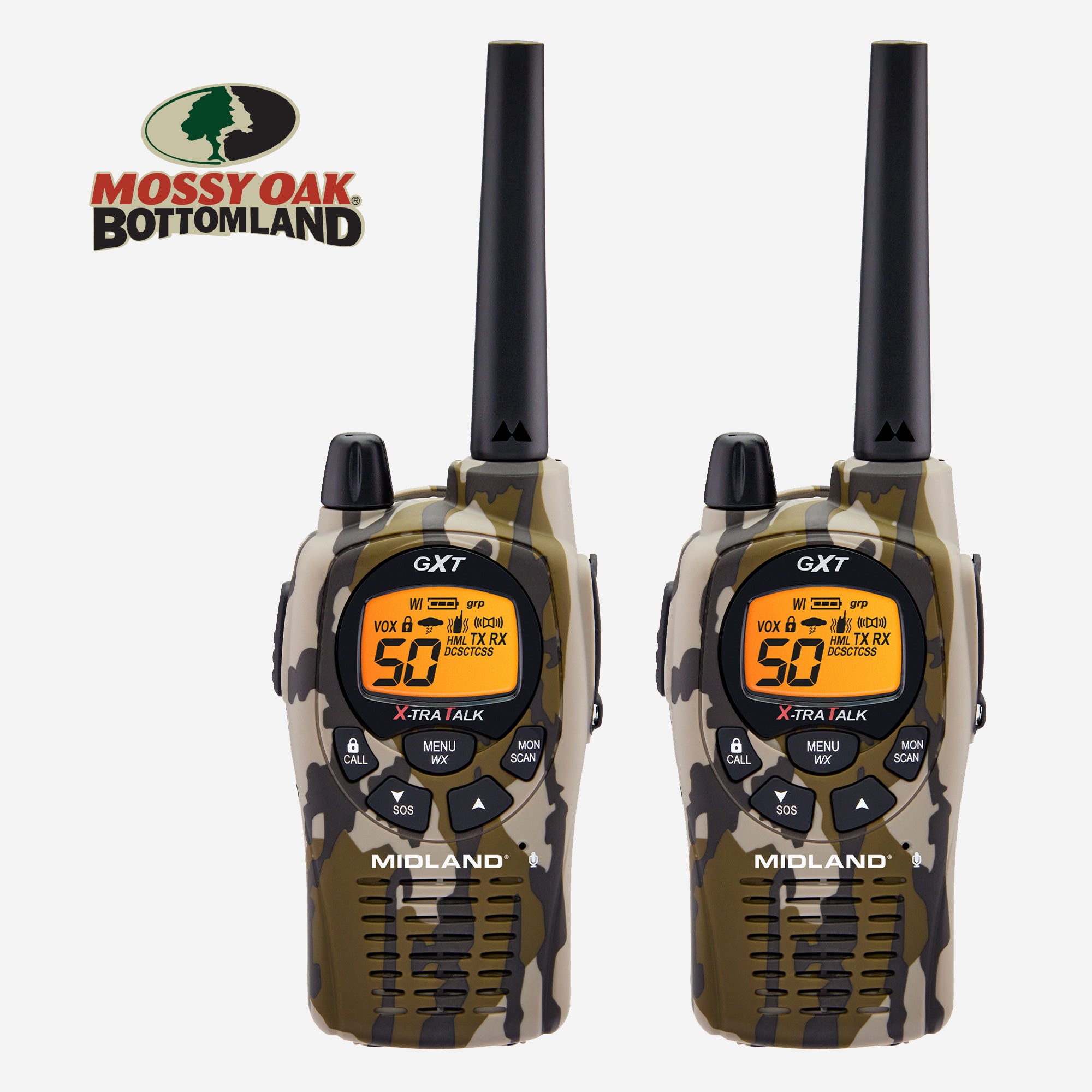
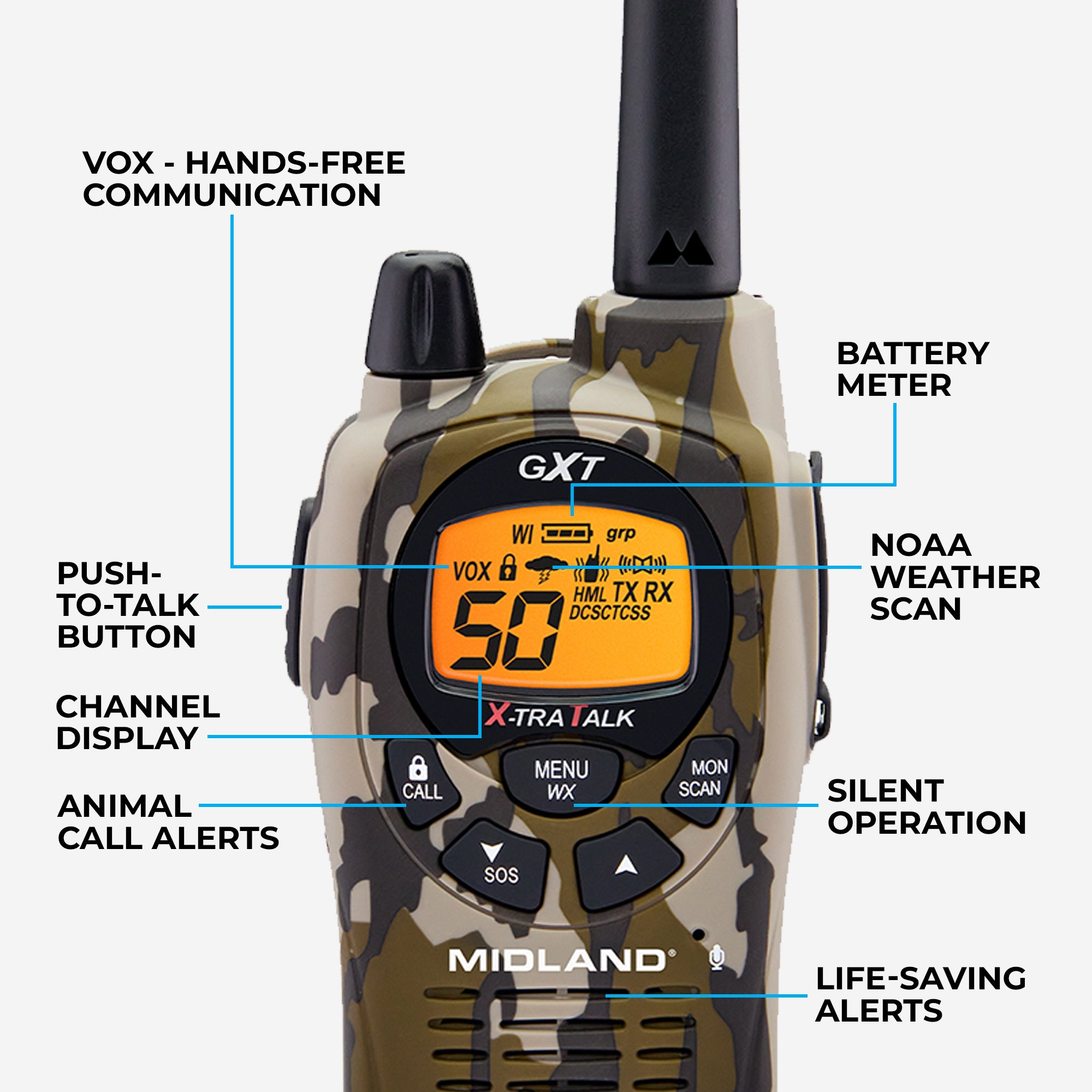
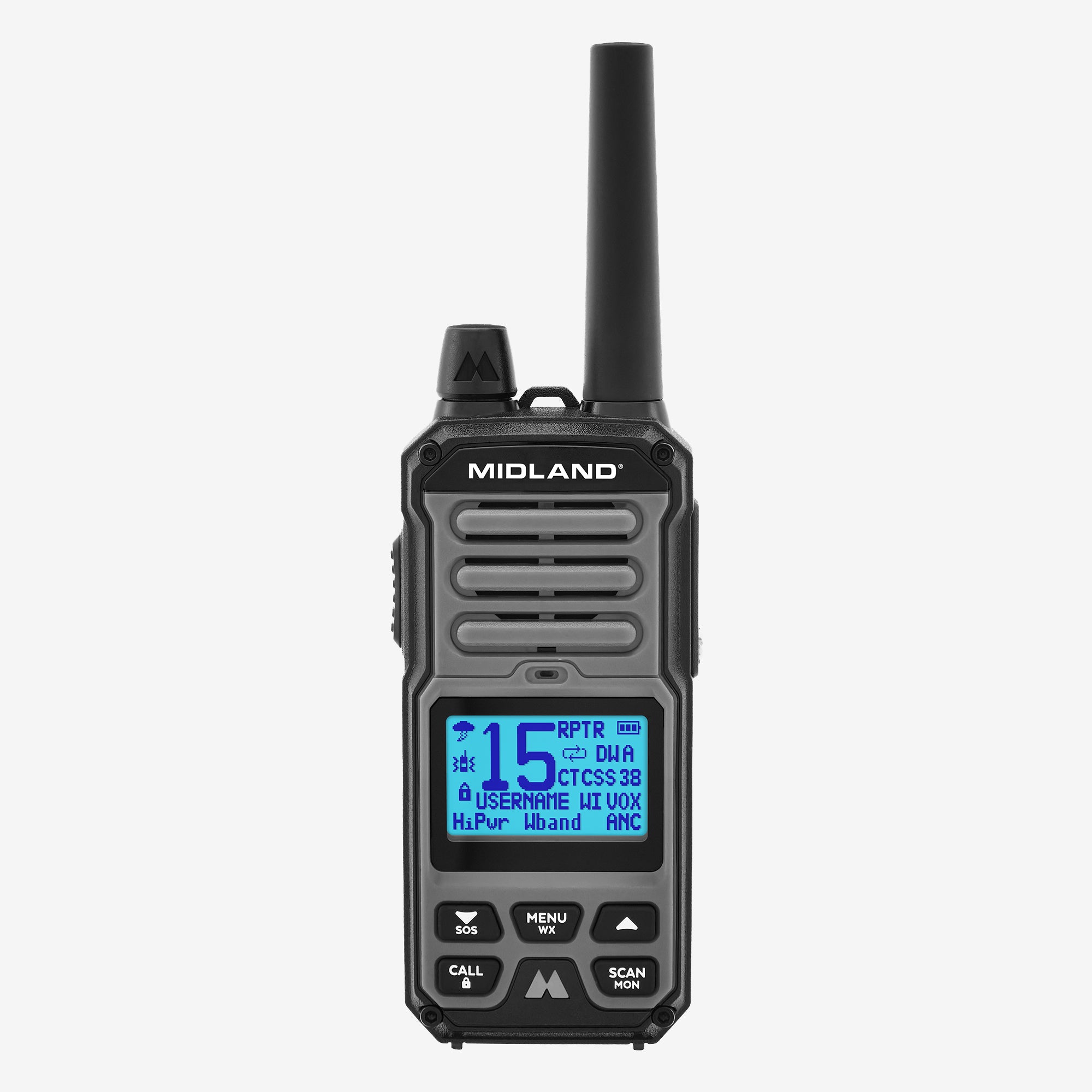
So, if your home is more solidly built, and better insulated, and if you keep your windows closed year-round….why would you expect to hear outdoor sirens when you are indoors? Get a NOAA Weather Radio and use it as your most important source of indoor alerts. Even in your deepest sleep, a Public Alert-certified weather radio will wake you up when the warning is issued. Don’t be that person on TV saying you had no idea danger was coming.
Hearing (or not hearing) an outdoor siren should have no bearing on how you react during an indoor emergency. Buy a weather radio, program it for your county, and keep it plugged it in. When it goes off, it will tell you why it went off, direct you to take shelter, and even inform you when it’s safe to come out. That’s the value of having an indoor warning siren.
Midland is a supporter of outdoor warning sirens…when you are outdoors. At the ball field, the city park, the boat dock, when that warning siren sounds, seek shelter first and then get more information via a portable weather radio or a reliable phone app. Remember your tornado safety plan -- seek shelter first, then find out more about the storm.


Share:
12 of the Best Instagrams to Inspire Your Next Overlanding Adventure
15 Farming Instagrams to Celebrate National Farmer's Day
1 comment
I have question how would I hear sirens (any kinds of sirens) because I am totally deaf since birth.