

Tornadoes can develop quick, so preparation needs to happen before severe weather arrives. Part of that preparation includes having an emergency kit for tornado season.
Having an emergency kit for tornado season means essential supplies and information are already in one place when it's time to take shelter, giving households the time needed to stay safe.
This guide will include essential information including what you need to build your emergency kit for tornado season, preparing your household, understanding tornado alerts, and knowing what to do during a warning.
What Should Be in an Emergency Kit for Tornado Season?
An emergency kit for tornado season should include the essentials you and your family may need before, during, and after severe weather. From staying informed when warnings are issued to navigating power outages, having the right supplies ready ahead of time can help you act quickly when every second counts.
According to FEMA, these are the essential items needed for an emergency kit.
NOAA Weather Radio
Getting reliable information ahead of a storm is incredibly crucial to keeping your household safe. According to a national survey, 61% of Americans are completely dependent on their cell phones for severe weather alerts. However, cell phone towers can become delayed, overwhelmed, or destroyed in a tornado. That's why it's important to have multiple ways of receiving alerts.
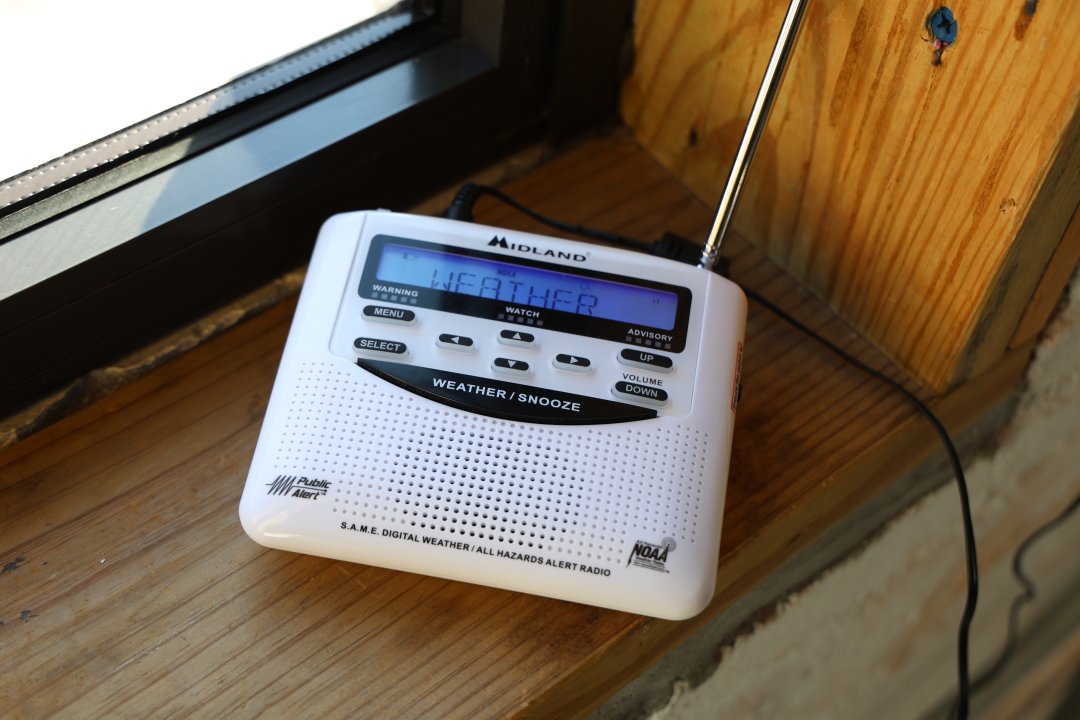
NOAA Weather Radio is a 24/7 broadcast of severe weather information and alerts. These alerts come directly from the National Weather Service, the most reliable source! As soon as the NWS issues a watch or warning, your NOAA Weather Radio will sound, often times making it the fastest way to get life-saving alerts.
Midland's NOAA Weather Radios are the first line of defense at home. Keep our desktop radios plugged in with battery back up for power outages. We recommend keeping your NOAA Weather Radio in a centralized location like the kitchen, living room, or master bedroom.
Our portable emergency crank radios provide the same life-saving alerts, but move with you as you change locations. They also contain multiple power sources like a rechargeable lithium-ion battery, solar, and hand crank so they're great for prolonged power outages caused by severe weather. Some of our portable models (ER310PRO and ER310) can also charge up your cell phone! They also have other features like a flashlight, AM/FM radio, and more.
Flashlights and Emergency Lighting
Severe weather can leader to power outages, so reliable lighting is an important part of your emergency kit for tornado season. Keep flashlights or headlamps in your kit so they're easy to access while sheltering and available if the power goes out during or after the storm.
Headlamps can be especially useful because they keep your hands free while moving through dark spaces, checking on family members, or handling other emergency supplies. Pack extra batteries for any battery-powered lights and check them regularly to make sure they're ready when you need them.
Backup Power and Charging Supplies
Severe weather like tornadoes can easily create issues with power outages. Strong winds, actual tornadoes, and downed trees can take down power lines easily and instantly. And typically, crews can't get out to service those lines until the storm has passed. You never know how long your area could be without power.
Portable power banks can keep your phone charged up so you can still reach family members in other households, reach emergency personnel, or check in on friend and neighbors. Not to mention, you can stay entertained during the power outage with the help of these devices if they're powered up.
To accompany those portable power banks, ensure you've got the right cords and cables for your devices and the others phones in the household.
It's important to have battery or hand-crank back up options like Midland's ER310PRO and ER310 to help charge up those other devices.
Food and Water
Following a disaster or severe weather, there might be power outages for several days.
When it comes to water, FEMA suggests having one gallon per person per day for several days. This water can be used for both drinking and sanitation.
Stocked canned foods, dry mixes, and other staples that don't require the fridge, cooking, or water are a must have. Some ideas from FEMA include:
- Ready-to-eat canned meats, fruits, and vegetables (plus a can opener)
- Protein or fruit bars
- Dry cereal or granola
- Peanut butter
- Dried fruit
- Canned juices
- Food for infants
First-Aid Kit and Medications
Injuries can happen during or after severe weather, so keep basic first-aid supplies readily available in your tornado emergency kit. Your kit should also account for the individual medical and health needs of everyone in your household.
Here's what to include:
- Adhesive bandages in multiple sizes
- Sterile gauze and medical tape
- Antiseptic wipes
- Antibiotic ointment
- Disposable gloves
- Over-the-counter pain relievers
- Tweezers and small scissors
- Prescription medications
- Inhalers and other necessary medical devices
- Extra glasses or contact lens supplies
- Copies of important medical information
- Any household-specific medical supplies
Important Documents and Personal Essentials
Your emergency kit for tornado season should include important documents and personal items you may need if severe weather damages your home or forces you to leave. Keep copies of essential documents in a waterproof, portable container so they're protected and easy to grab.
Consider including:
- Copies of identification, insurance information, and other important documents
- A written list of emergency contacts and phone numbers
- Cash in small bills
- Personal hygiene products
- Hand sanitizer and wet wipes
- Feminine hygiene products
- An extra set of clothing
- Sturdy, closed-toe shoes
- Work gloves
- Spare house and vehicle keys
Sturdy shoes and work gloves can be especially important after a tornado, when broken glass, debris, and other hazards may be present. Keep these essentials together with the rest of your emergency supplies so they're easy to access when needed.
Emergency Communication Tools
Powerful and nasty tornadoes can take down cell towers or significantly damage them leaving most people without a way to communicate. When cell service and internet is out, people need to reach one another, especially after an emergency or severe storm.
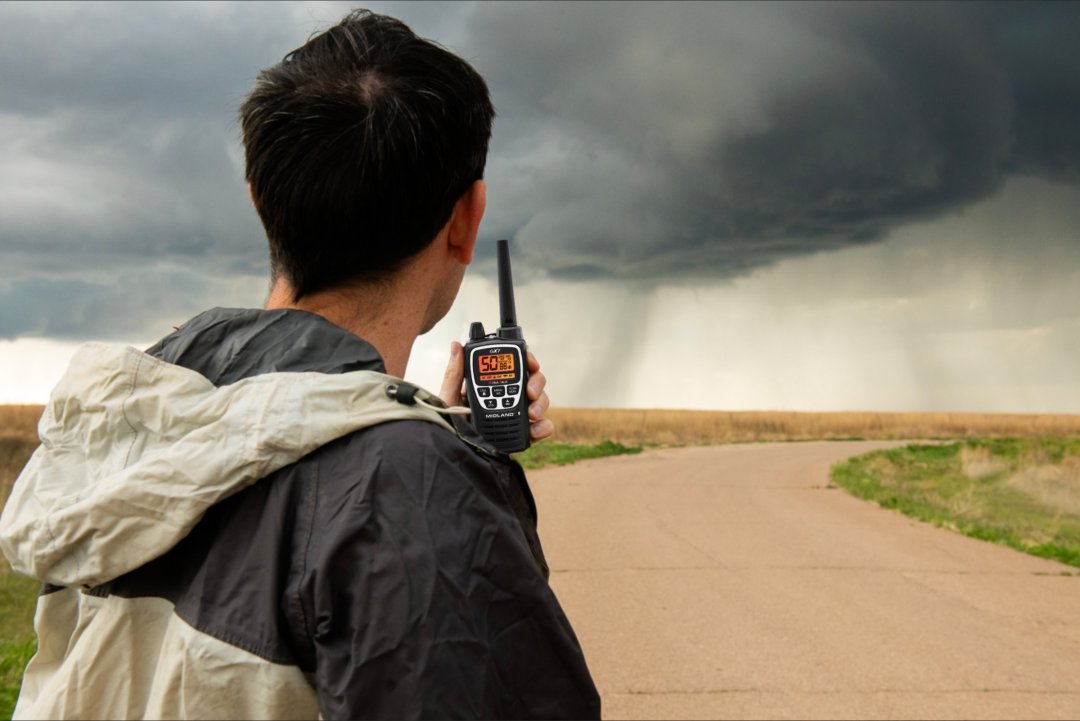
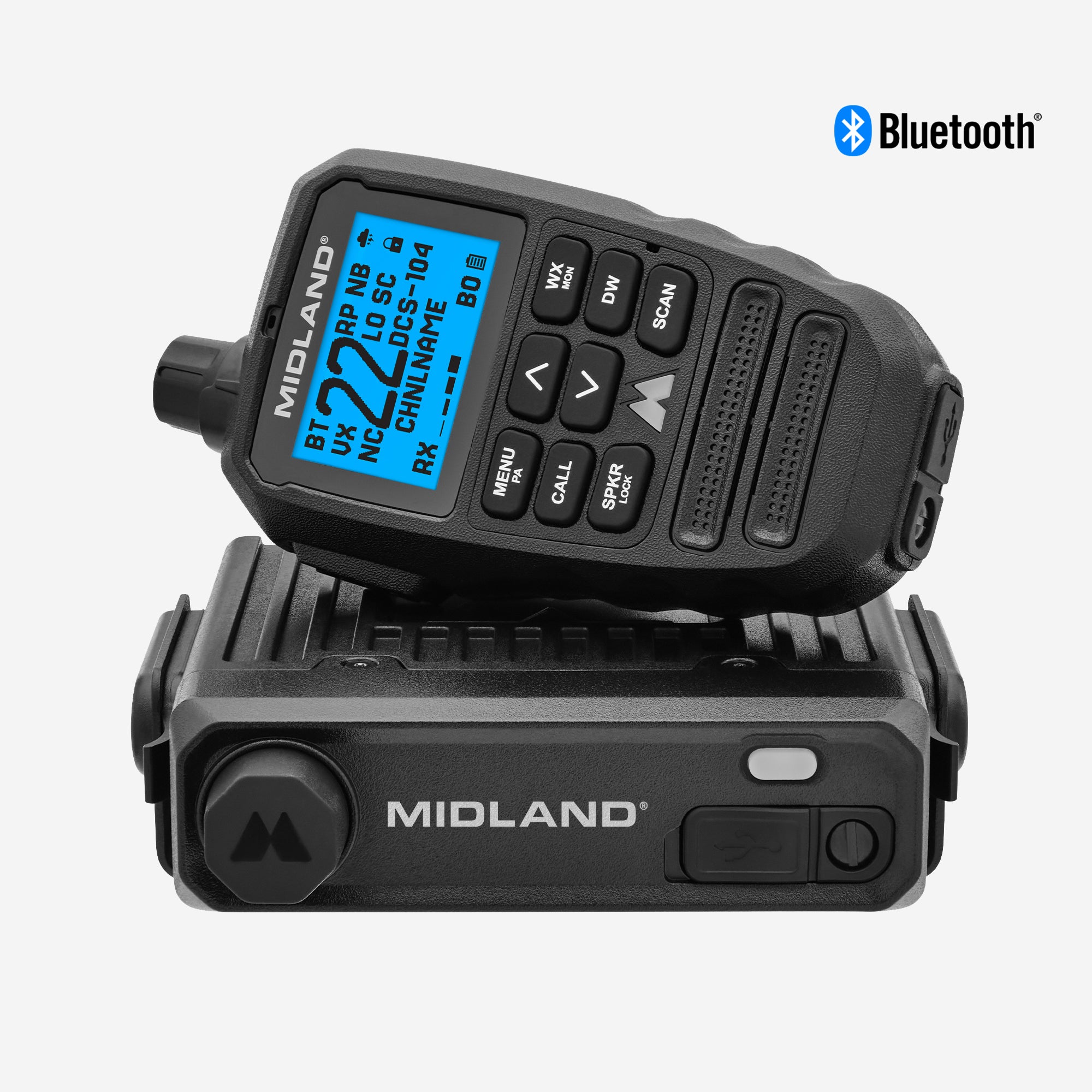
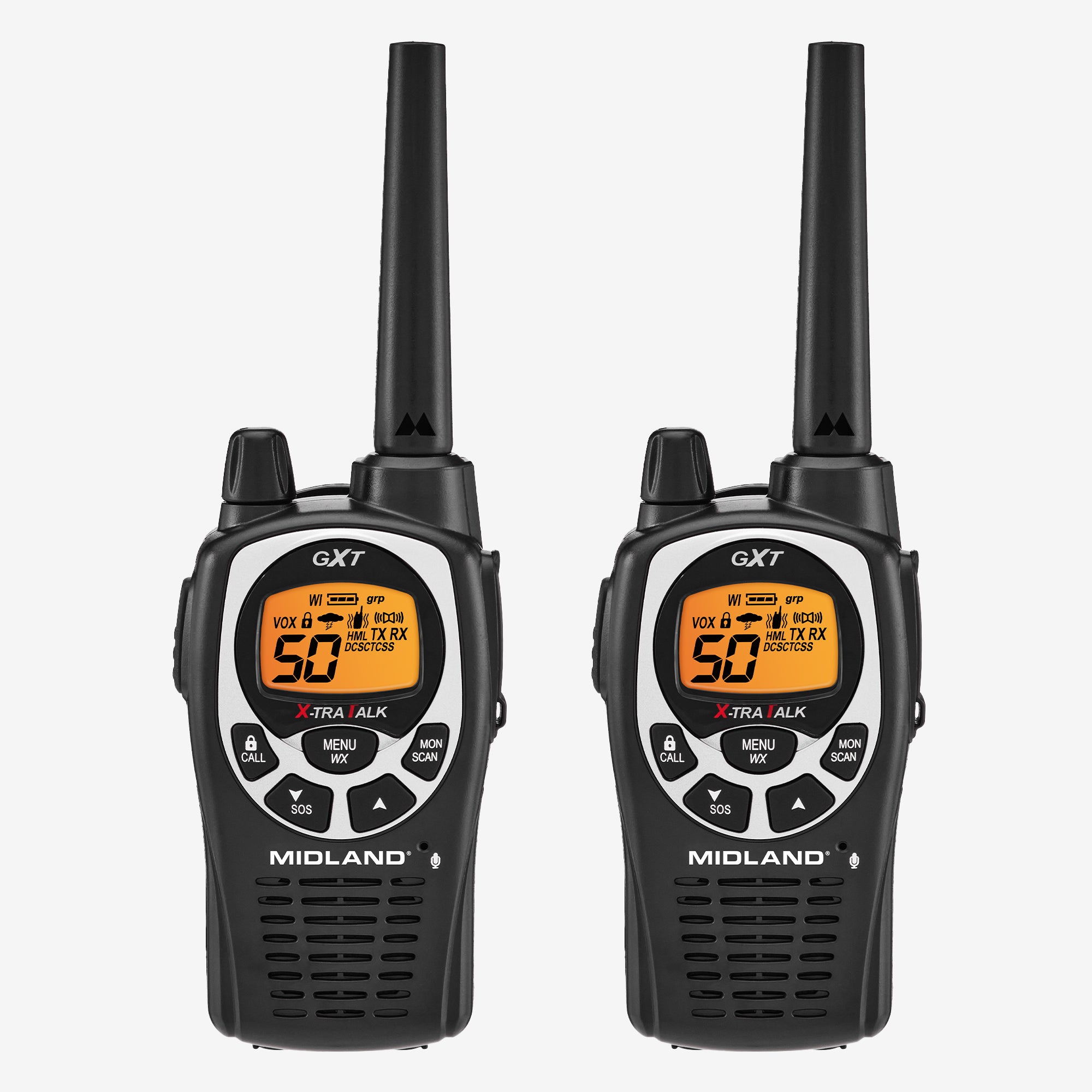
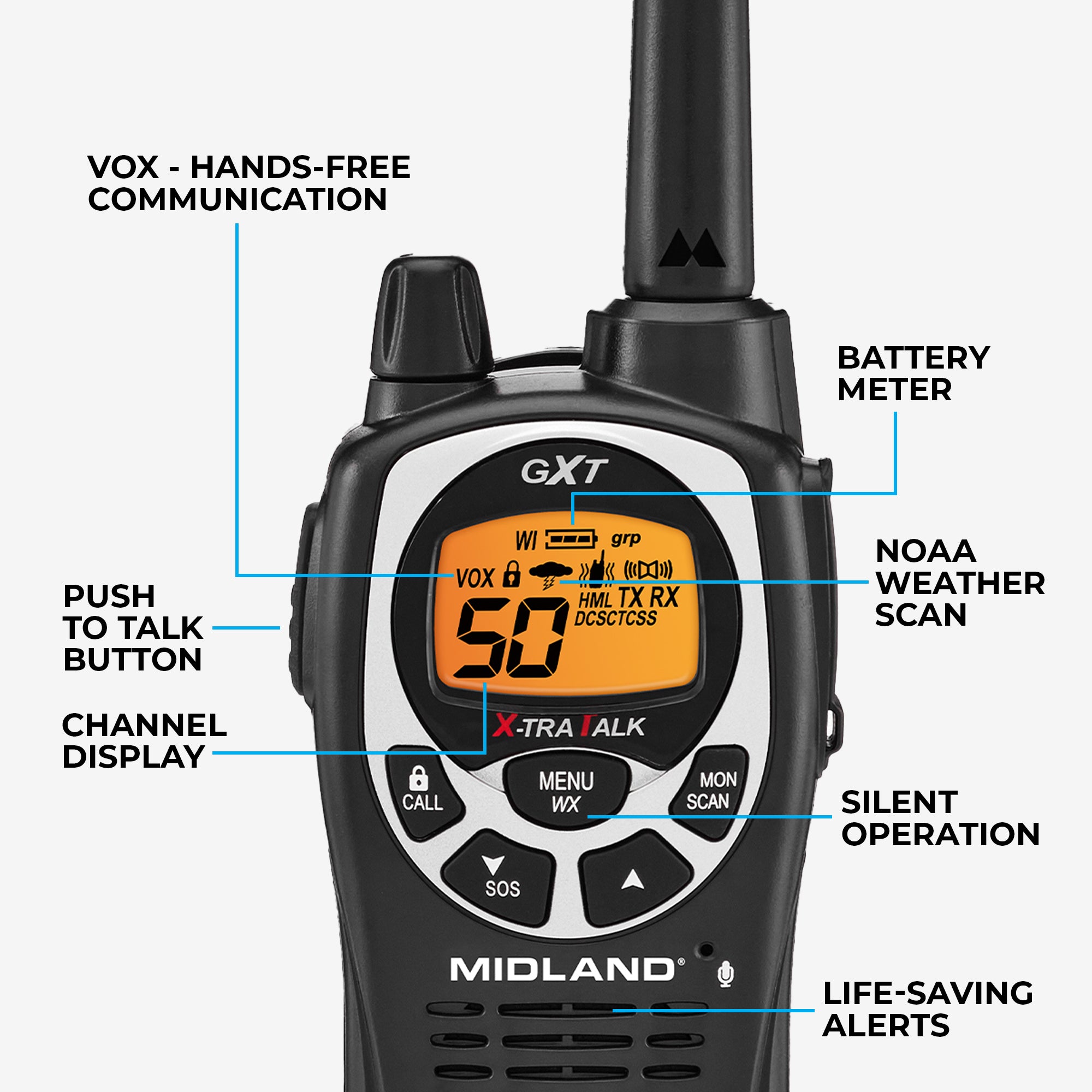
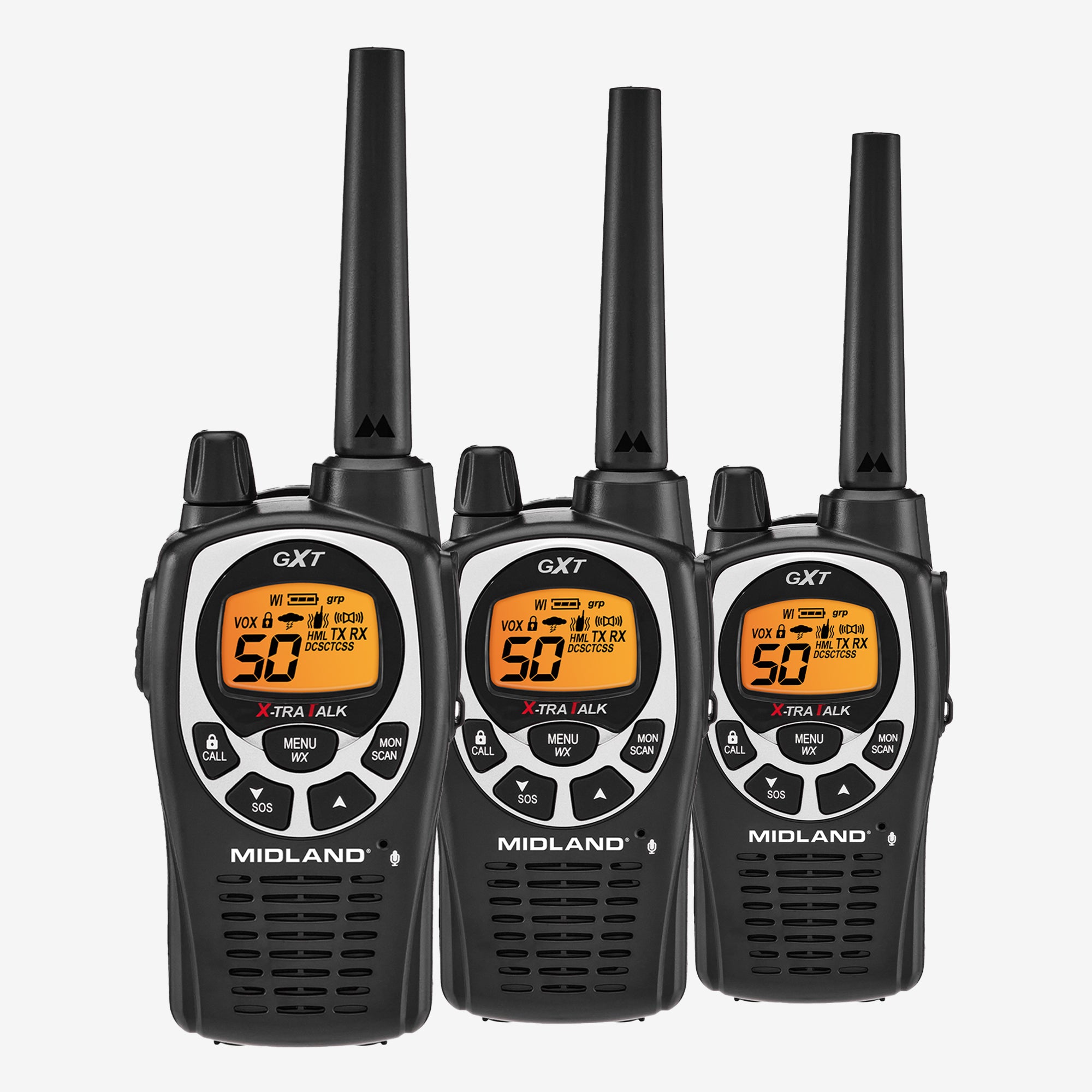
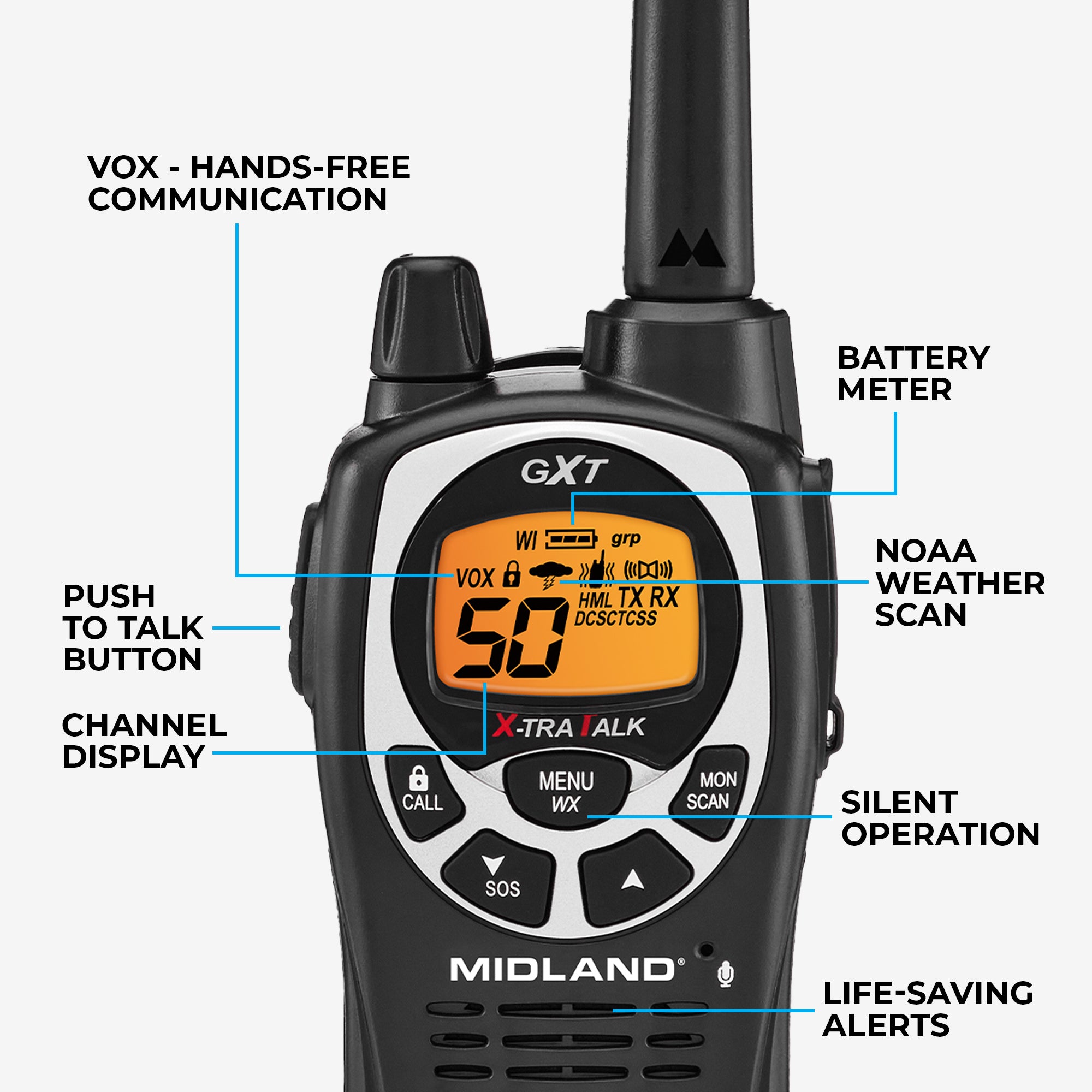
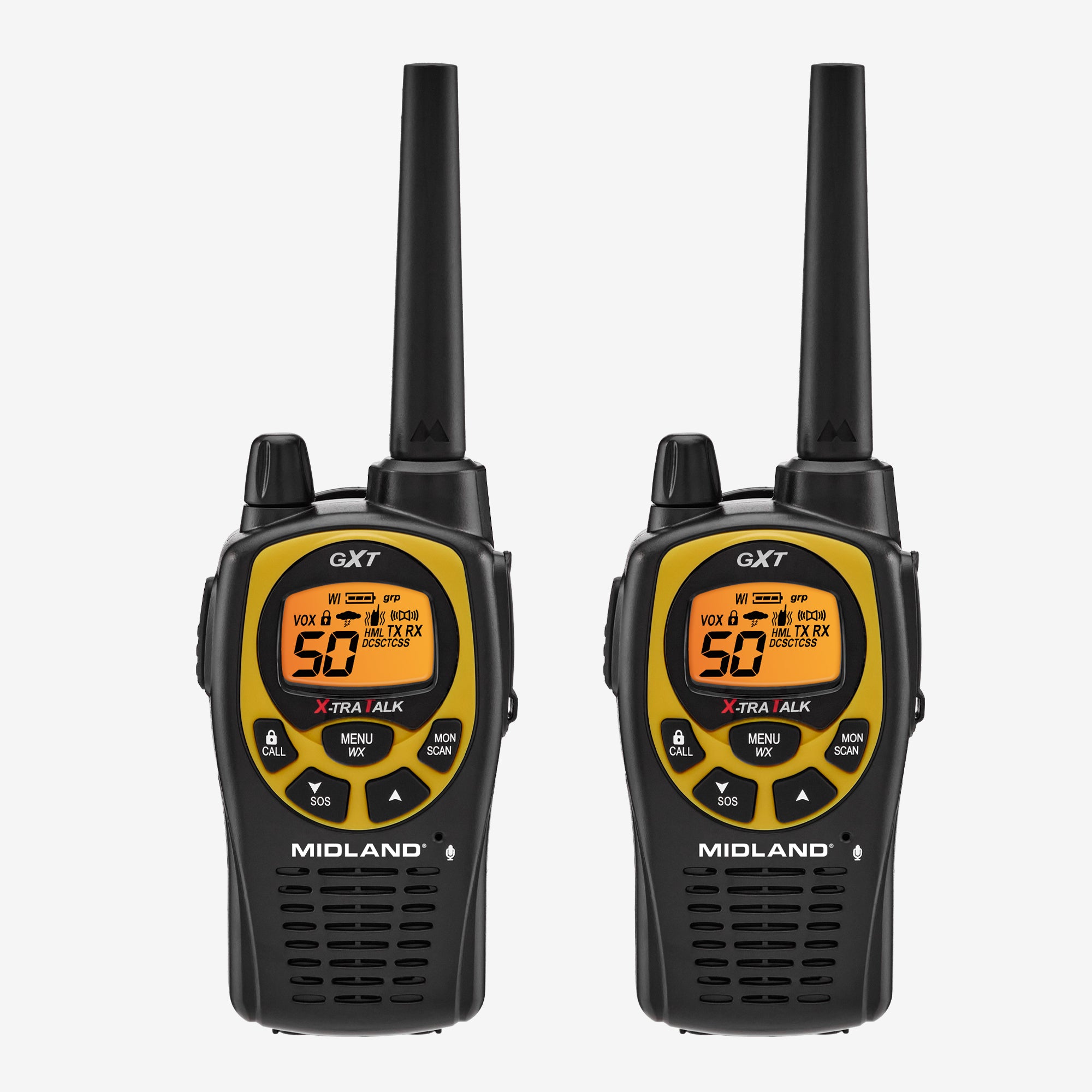
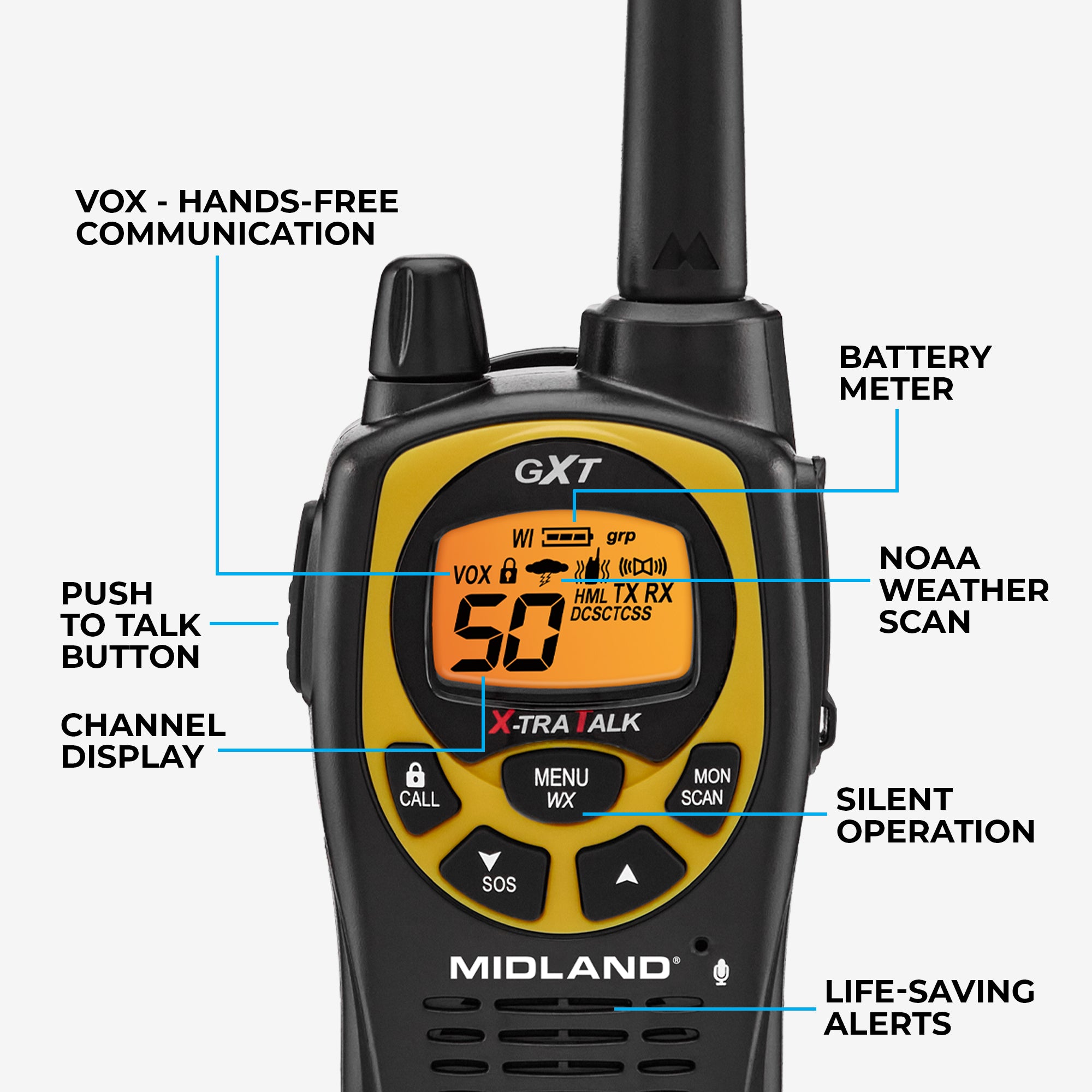
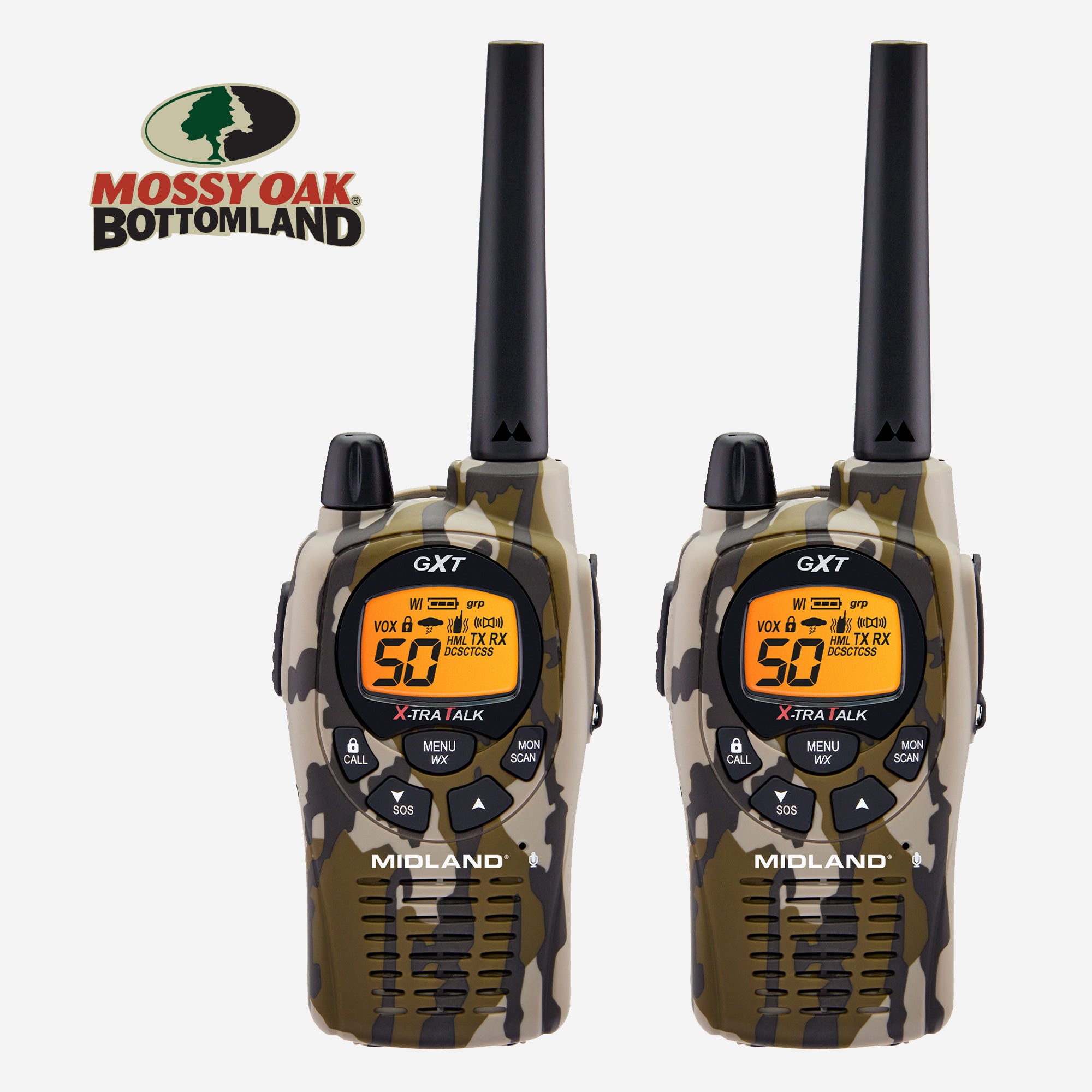
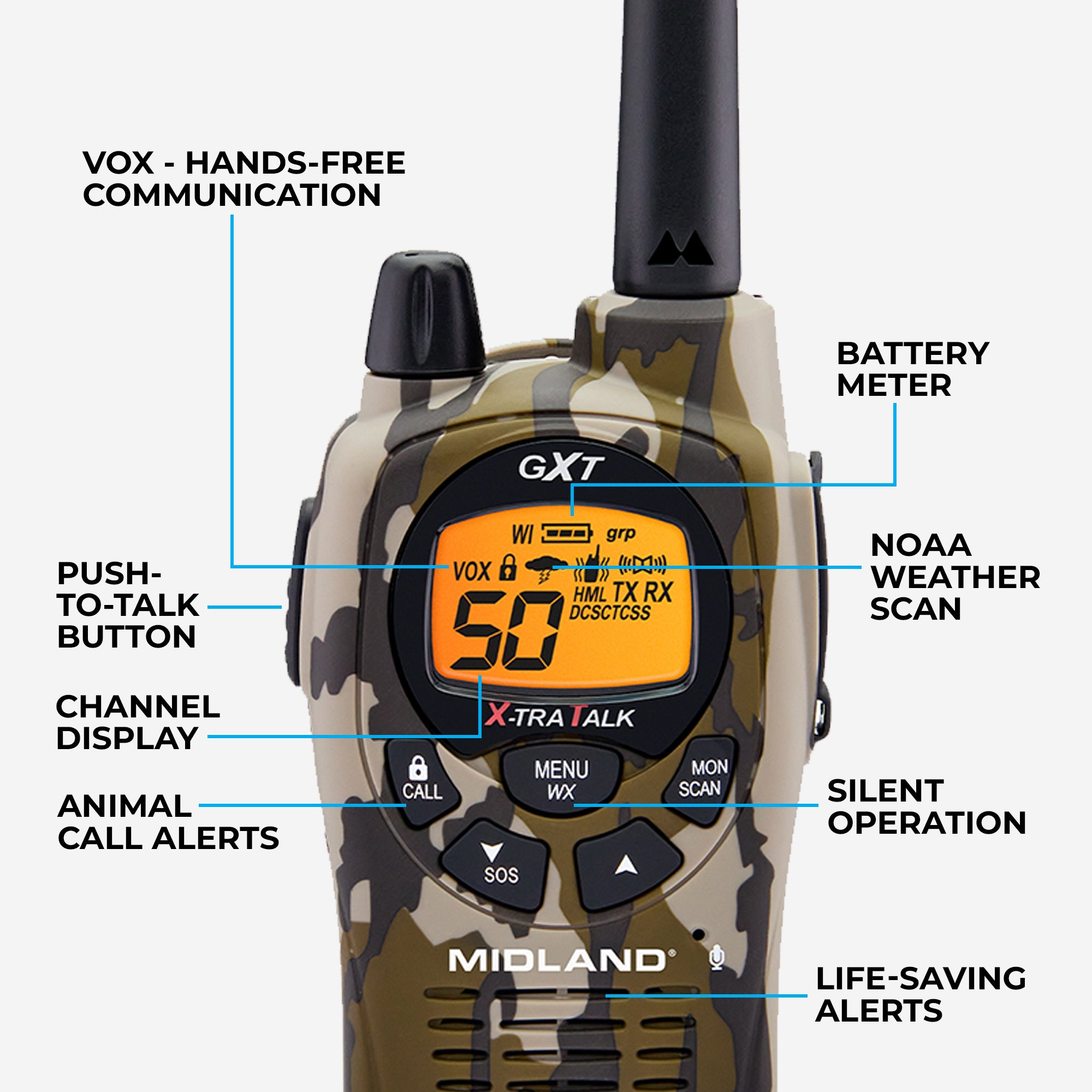
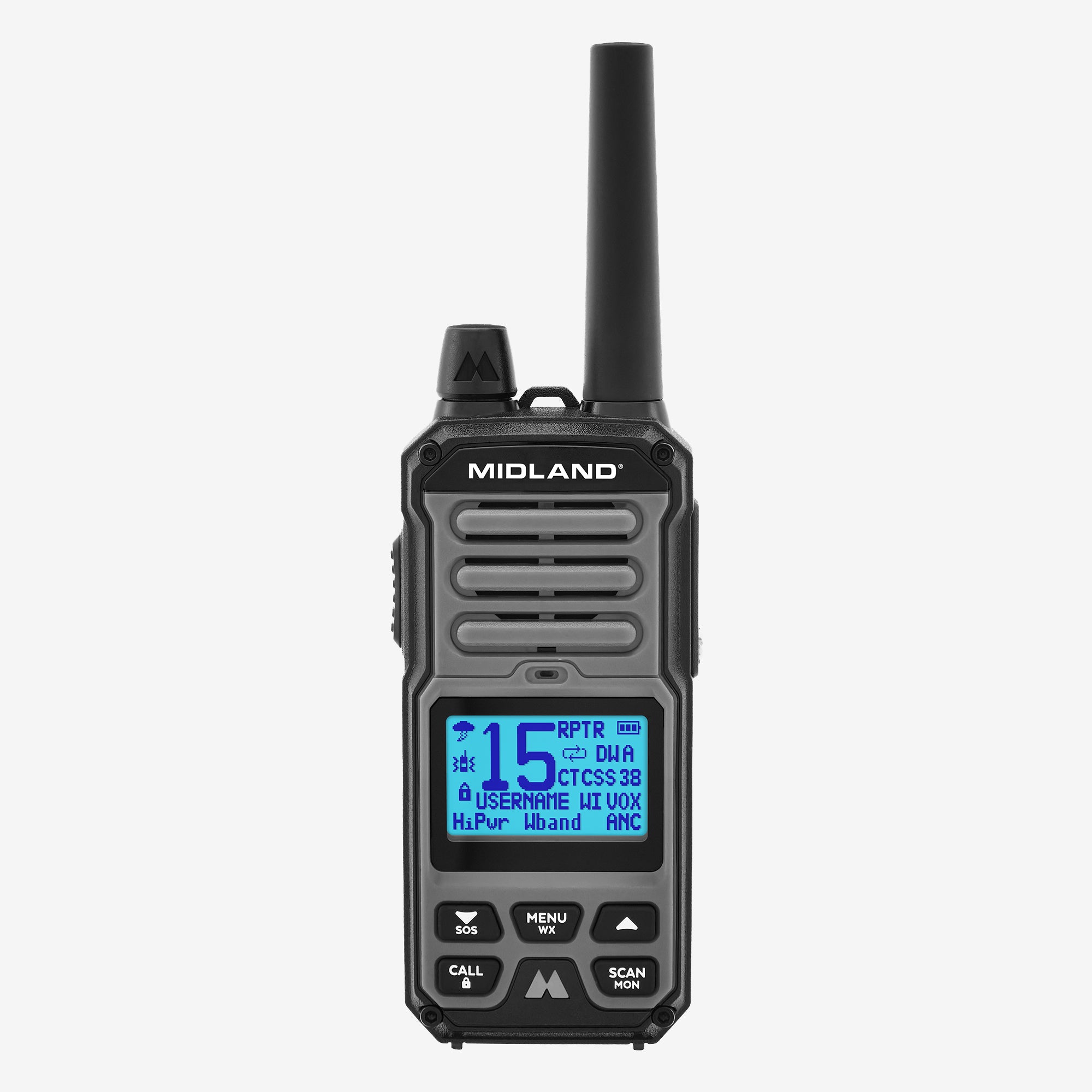
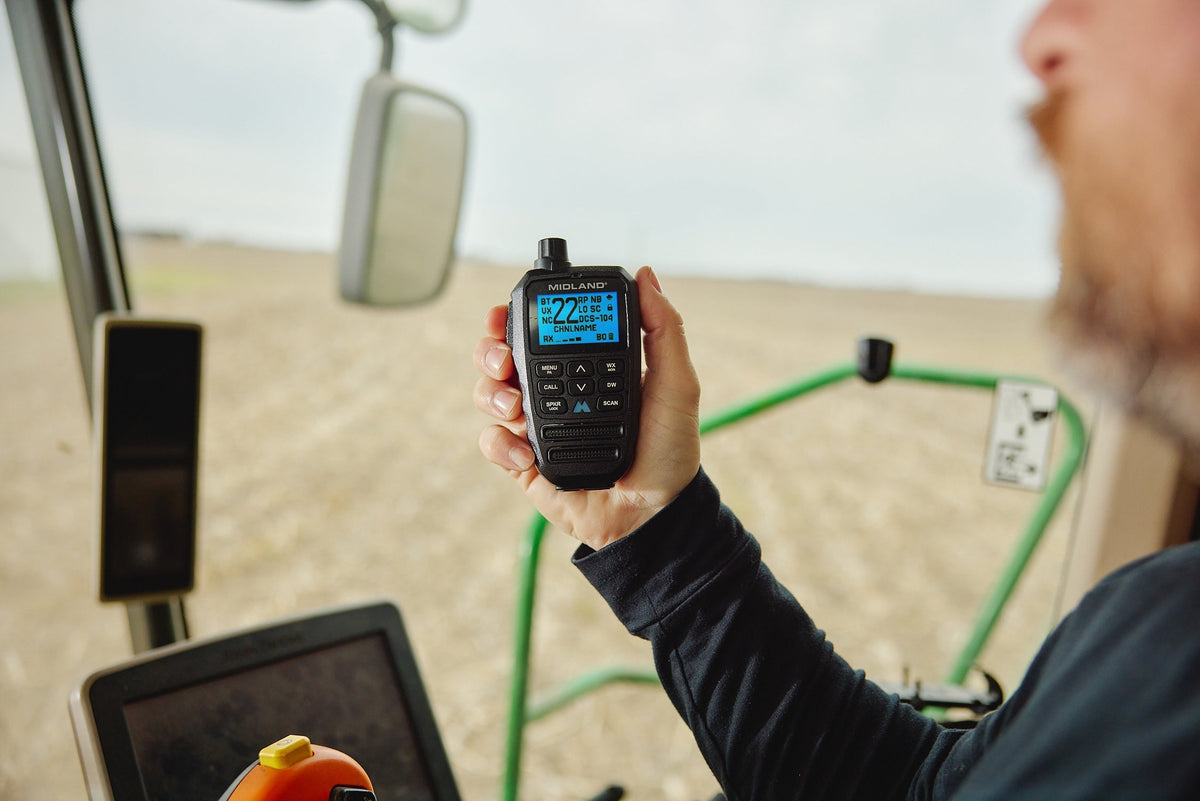
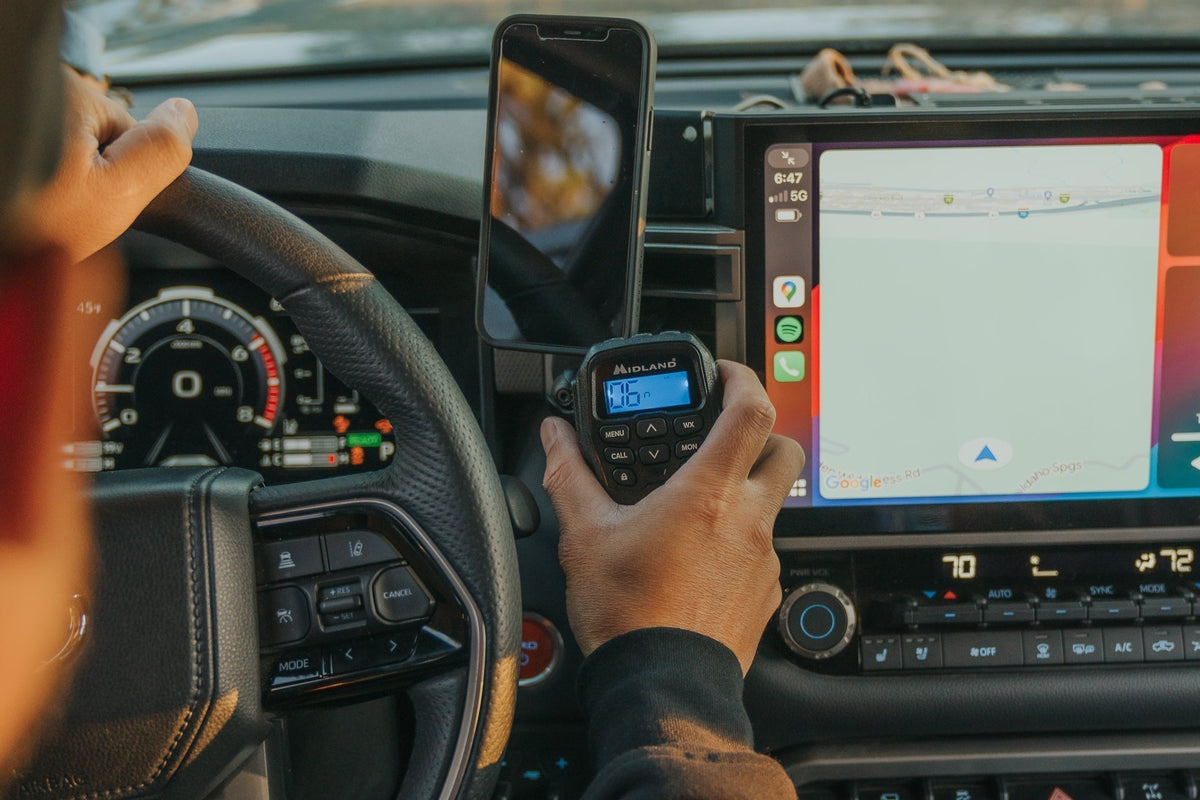
Two-way radios like FRS/GMRS don't rely on cell phone or internet connection and that's what makes them the perfect tool for emergency preparedness.
Walkie talkies are easy to use so everyone in the household can use one, come with several features like NOAA weather alerts, and provide communication you can count on, no matter what. With the help of walkie talkies, you can reach first responders, neighbors, search and rescue teams, or even other household members if you split up.
Supplies for Kids and Pets
When building your tornado emergency kit, make sure you're accounting for every member of the family, including children and pets.
For pets, pack extra food and water, necessary medications, a leash, harness or carrier so you can quickly bring them to your designated shelter area. Keep copies of important veterinary information and identification with your emergency supplies as well.
For babies and young children, include essentials like diapers, wipes, formula, bottles, and any medications they may need. Consider adding a few familiar comfort items, such as a favorite toy, blanket, book, or small activity. Severe weather can be stressful for kids and pets, and having something familiar nearby can help keep them comfortable while you shelter.
Tornado Preparedness Checklist
Now's the perfect time to create your tornado preparedness checklist. It'll give you and your family peace of mind that if one is to spin up in your area, you can quickly get everyone to safety.
Here's a few things that should be on your checklist:
- Identify the safest shelter location in your home
- Build and regularly update your tornado season emergency kit
- Keep you NOAA Weather Radio programmed and accessible
- Replace/check batteries
- Charge phones and backup power sources when severe weather is expected
- Make a family communication plan
- Know how you'll get pets to shelter
- Keep sturdy shoes and flashlights near your shelter area
- Know your community's warning systems
- Practice your tornado plan before severe weather season
Tornado Watch vs. Warning: What's the Difference?
Understanding the difference between a tornado watch vs. warning can help you know when to prepare and when to take immediate action.
A tornado watch means weather conditions are favorable for tornadoes to develop in or near the watch area.
A tornado warning means a tornado has been detected by weather radar or reported by trained weather spotters and you should take shelter immediately.
An easy way to remember the difference: a watch means be prepared, while a warning means take action.
What to Do During a Tornado Watch
When a tornado watch is issued, use the time to make sure you're prepared if conditions worsen. Stay aware of changing weather conditions and know where you'll go if a tornado warning is issued.
During a tornado watch:
- Monitor local weather conditions and alerts
- Review your household's tornado shelter plan
- Make sure your tornado emergency kit is stocked and easily accessible
- Charge phones and portable power banks
- Check that your NOAA Weather Radio is powered and working properly
- Bring outdoor items inside or secure anything that could become airborne
- Make sure children and other household members know where to go if a warning is issued
- Have a plan for quickly getting pets to your shelter location
What to Do During a Tornado Warning
A tornado warning requires immediate action. Go directly to your designated shelter location, such as a basement, storm shelter, safe room, or small interior room on the lowest level available.
When a tornado warning is issued:
- Take shelter immediately and stay away from windows
- Protect your head and neck from flying or falling debris
- Don't delay taking shelter to gather emergency supplies
- Bring your emergency kit only if it's already readily accessible
- Keep children and pets with you when possible
- Continue monitoring official weather alerts from your shelter
- Remain sheltered until the threat has passed and officials indicate it is safe to leave
Having your emergency kit, weather radio, and shelter plan ready before a warning is issued can help you act quickly when severe weather threatens.
Where Should You Keep Your Tornado Emergency Kit?
When making your emergency kit for tornado season, not only is it important it has everything your household needs, but you'll also want to find the right sport to store it.
It's best to keep your emergency kit in or immediately adjacent to your designated shelter area if possible.
Because tornadoes can spin up so quickly, make sure that you're not storing critical supplies somewhere that would require you to cross the house during a tornado warning.
You'll also want to ensure that everyone in the household knows where the kit is. It's not guaranteed that everyone will be home at the time of the storm.
Periodically check expiration dates, batteries medications, and other supplies.
Depending on your household's needs, you might want to think about additional emergency supplies for vehicles or workplaces.
How Often Should You Update Your Tornado Emergency Kit?
Once you've made your emergency kit for tornado season, you're not quite finished.
It's important to check and update your kit before severe weather season each year.
When doing that you'll want to replace expired food, water, medications, and batteries. Also, it's important to recharge backup power banks and emergency radios, update documents and emergency contacts, and adjust your supplies as household needs change.
Be Prepared Before Tornado Season
You can never prepare too far in advance. The goal is to make decisions and put together a plan before a tornado warning occurs.
Having an emergency kit, designated shelter location, communication plan, and reliable way to receive warnings makes it easier to act quickly, giving your household as much time as possible to get to safety.


Share:
NOAA Weather Radio: Your Most Reliable Alert
ER Nurse By Day, Farm Wife By Night: Radios for Farm Safety