

The Most Dangerous Time for Tornadoes
These two questions are among the most asked of TV meteorologists:
- What’s the worst hour of the day for tornadoes?
- When is my tornado risk the highest?
To answer those questions, it's important to understand a bit about how tornadoes are formed. First of all, a tornado requires that a thunderstorm be present before it can be created. And since thunderstorms require both heat and humidity to form, they generally occur in the afternoon and evening. More specifically, they tend to happen between the hours of 4:00pm and 11:00pm. Because at this point, you’ve had a day’s worth of sunshine that has been steadily heating the ground, which in turn heats the air. Like a hot air balloon, the warm air rises, and when it is combined with humidity, clouds form. Ultimately, that combination of events means that most tornado warnings occur in the afternoon and evening, as thunderstorms turn more severe. To illustrate this, look at the obvious timing trends seen at these National Weather Service offices.
Location Also Affects What Time Tornadoes Occur
This is another crucially important point — the most dangerous time for tornadoes also depends on where you live.
Take a look at the tornado warning time-of-day from Jackson, Mississippi and New Orleans, Louisiana. Both cities are located near the always-warm Gulf of Mexico. Having a large source of heat and humidity nearby, 24/7, allows the ingredients for severe weather to be in place even at 3am. Nocturnal tornadoes—those that occur while we’re sleeping—are particularly dangerous. It’s one reason why the Louisiana/Mississippi area has the highest incidence of tornado fatalities. If you’re sleeping and you don’t have something to alert you to a tornado, there’s a higher chance of becoming a victim.
Be Prepared for Tornadoes with One Device
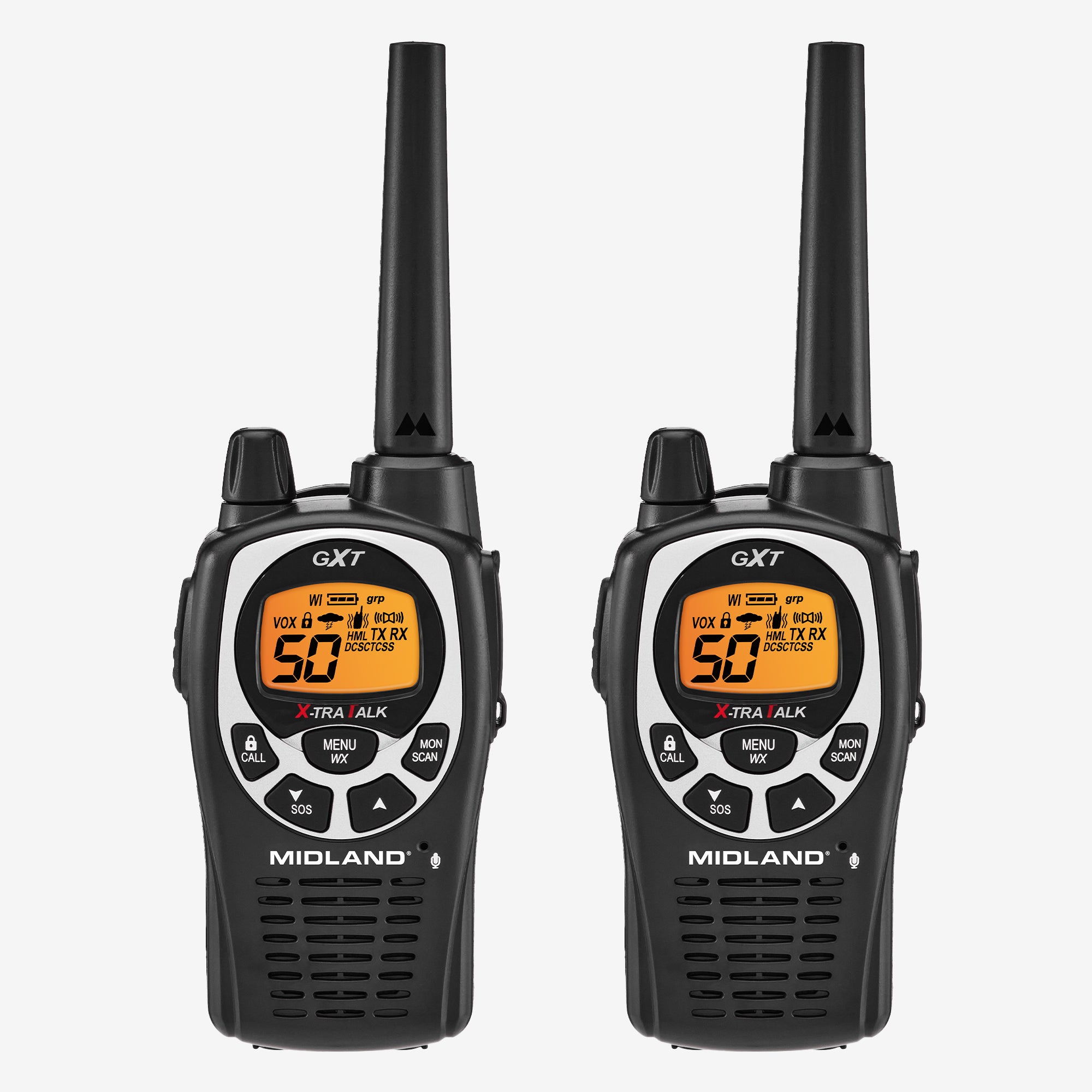
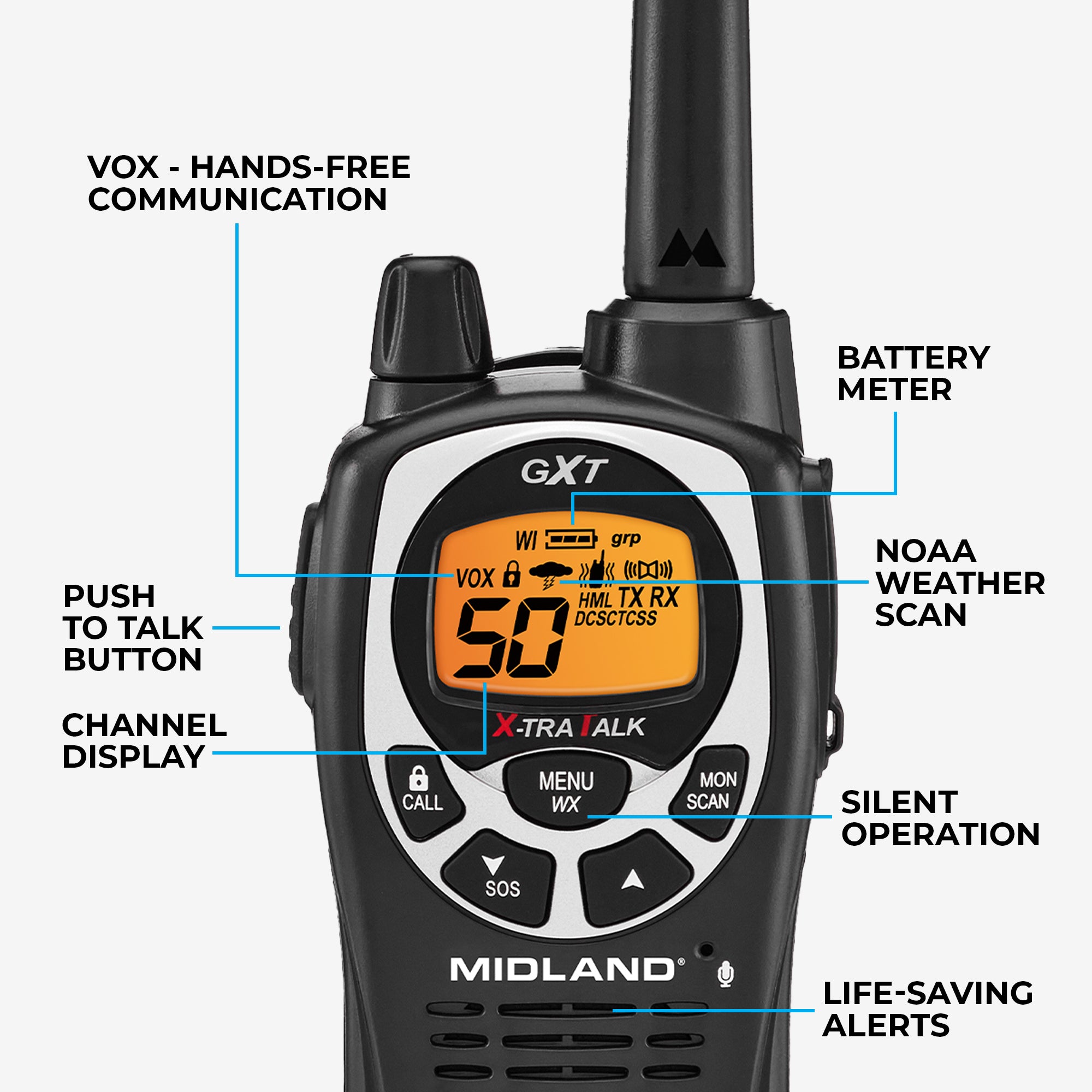
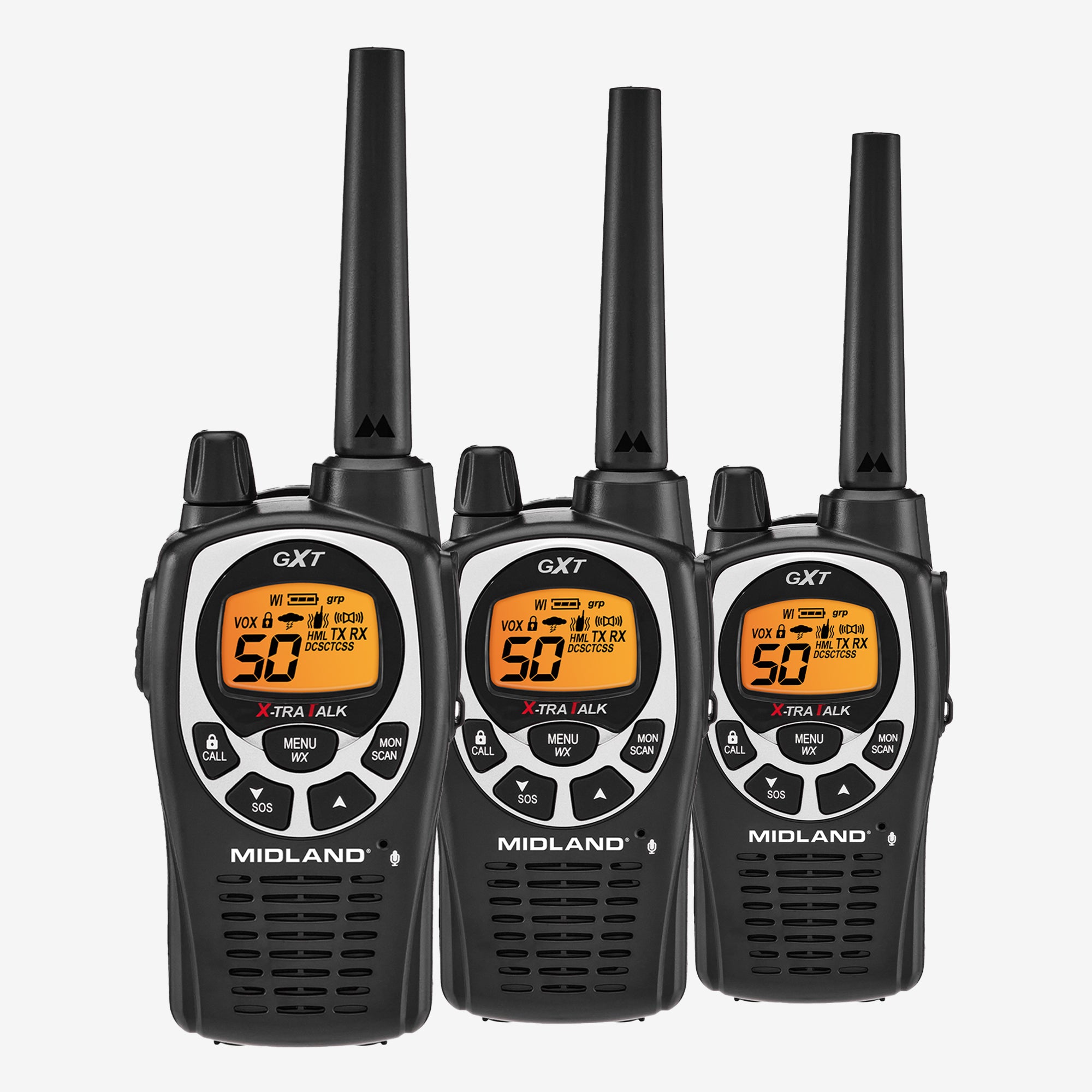
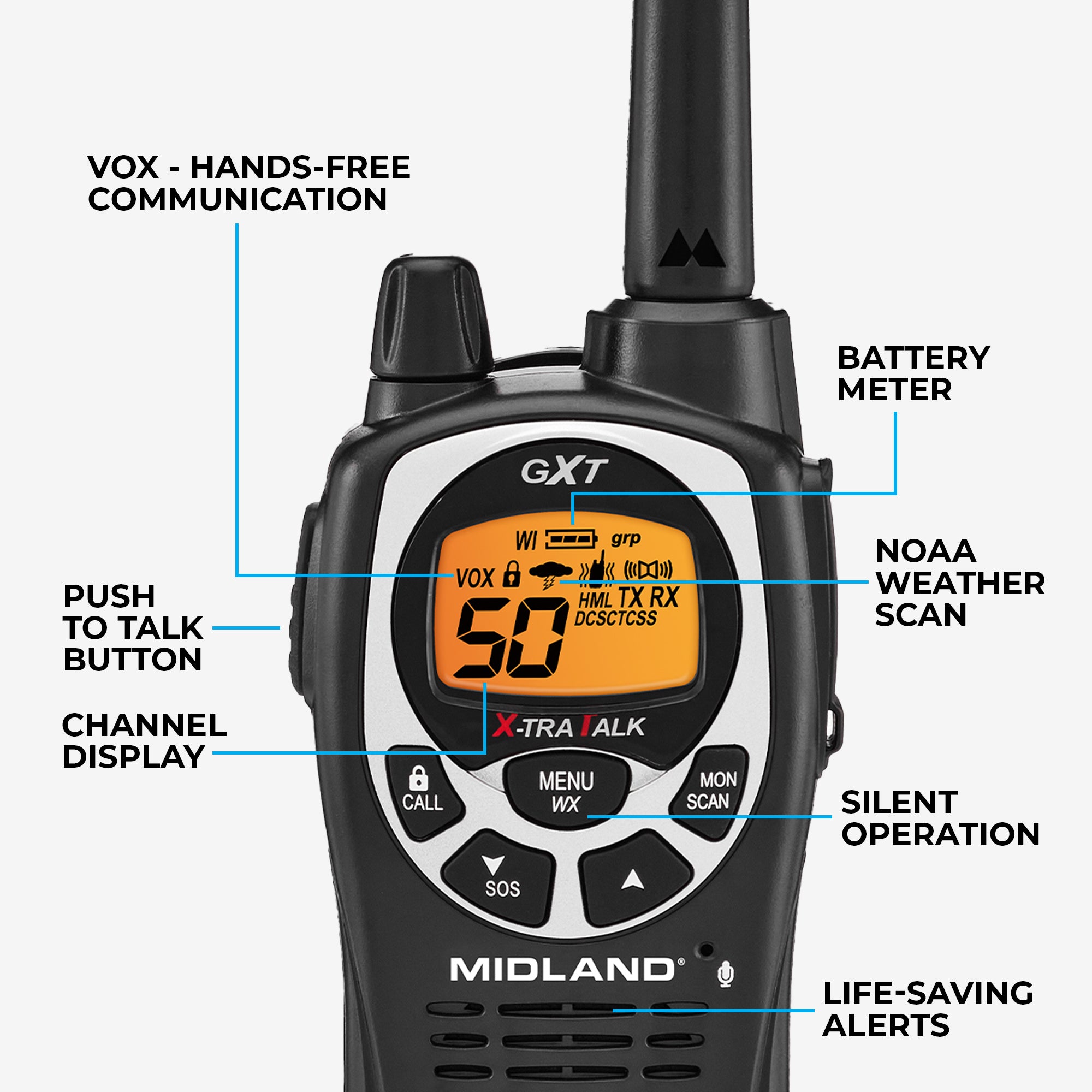
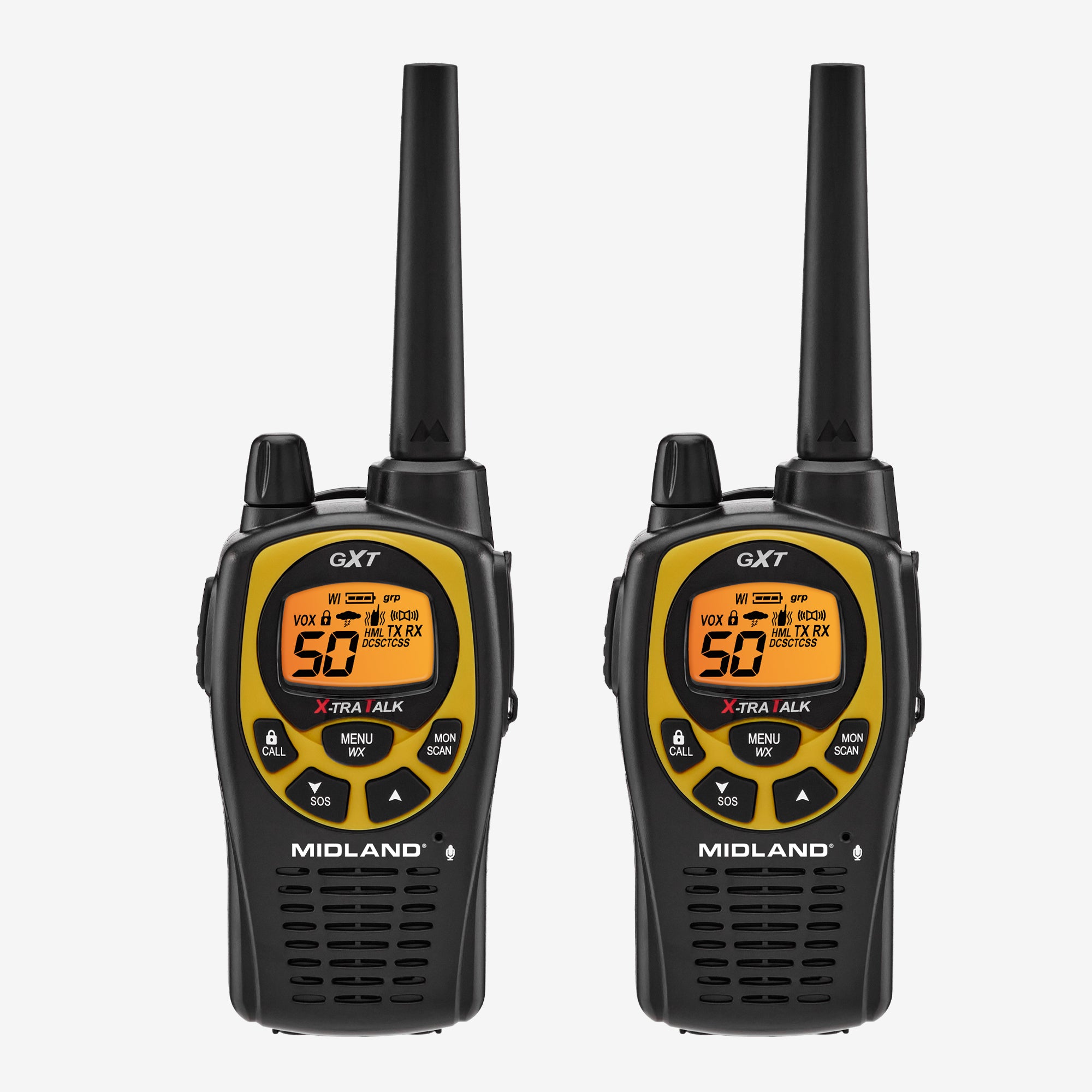
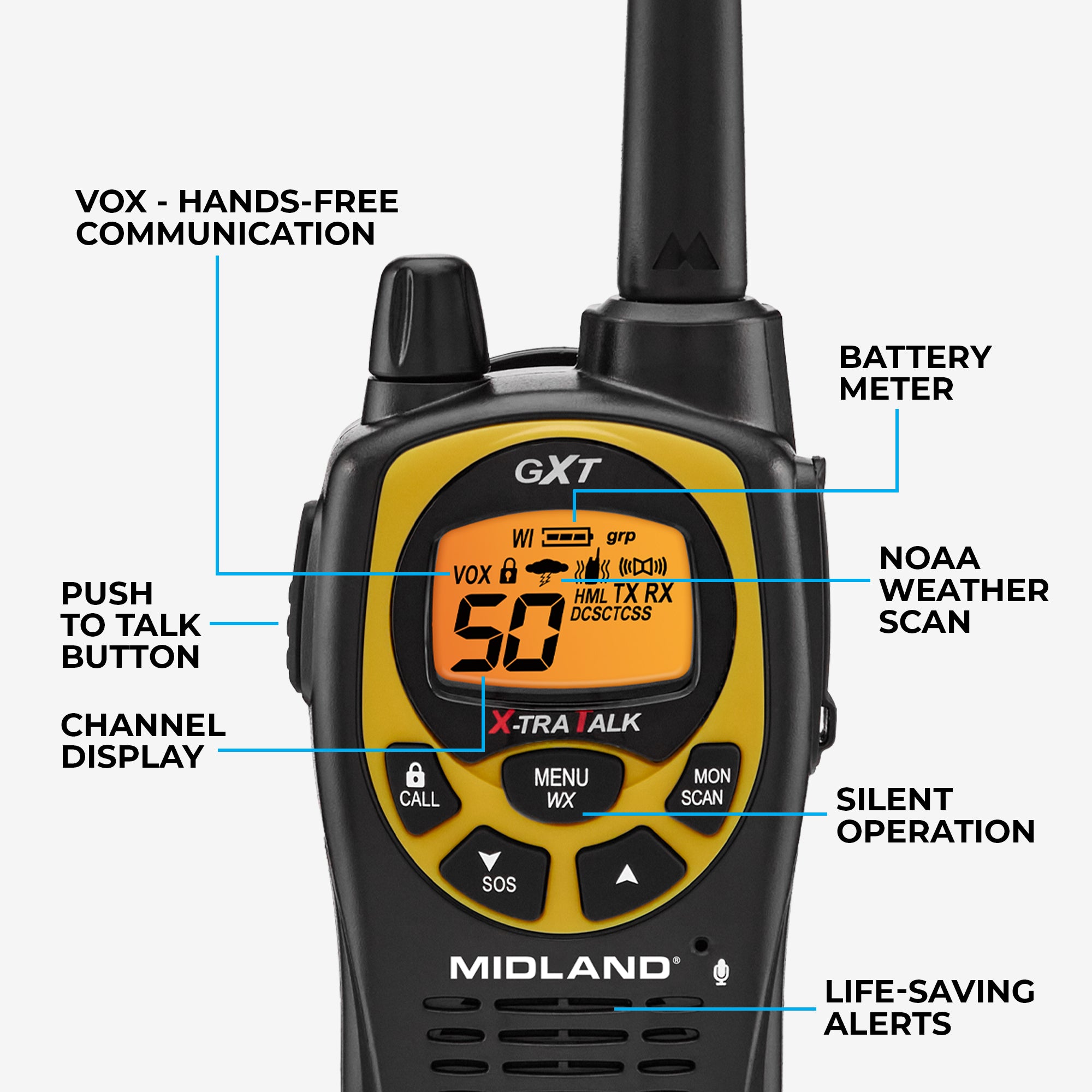
No matter where you live, whether you’re awake at day or asleep at night, make sure your family is protected with an NOAA Weather Radio. These weather radios act as an indoor tornado siren that instantly alerts you with warnings. Plus, these alerts come directly from your local weather forecast office, which improves their forecast accuracy. NOAA weather radios are specifically designed to get your attention during severe weather. For this reason, there’s no better alternative for saving lives than an NOAA weather radio.

Share:
License-Free Walkie Talkies to Improve Curbside Pickups
Lessons From The Lubbock Tornado — 50th Anniversary of The Big Tornado