
Cell phone communication can be convenient for some operations, but most find that two-way radio communication is simpler and quicker on the floor - and in some cases, may just be life-saving. We talked with Bryan Cullison, Research & Development Analyst and Chief Strategy Officer of City Net, a Southern California based organization dedicated to ending homelessness, about their communication. Keep reading to find out how City Net uses two-way radios in their organization daily and what made them decide to switch to Midland radios after a close call at their facility.
Can you describe your organization?
City Net is a nonprofit organization that exists to end street-level homelessness. It works with local cities and counties in Southern California to get people who experience street-level homelessness into long term shelters, permanent supportive housing, long term rehab, or reunification with their family. It has been around since 2014, and has grown in size (both in revenue and in employees) since January 2020.
How long have you been at City Net?
I have been with City Net since September 2019, serving as both the Research & Development Analyst and the Chief Strategy Officer.
DONATE to City Net
Which Midland radios do you use?
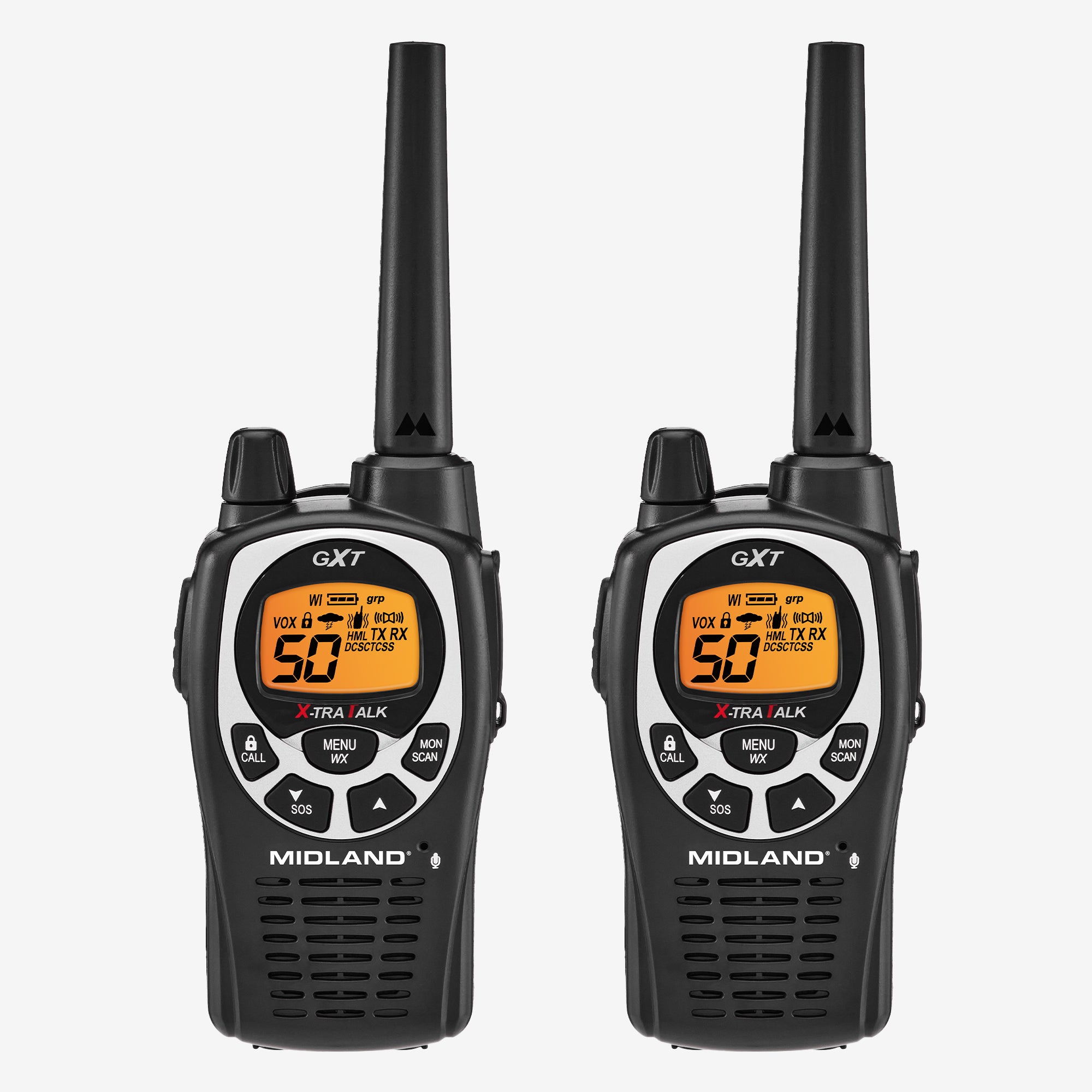
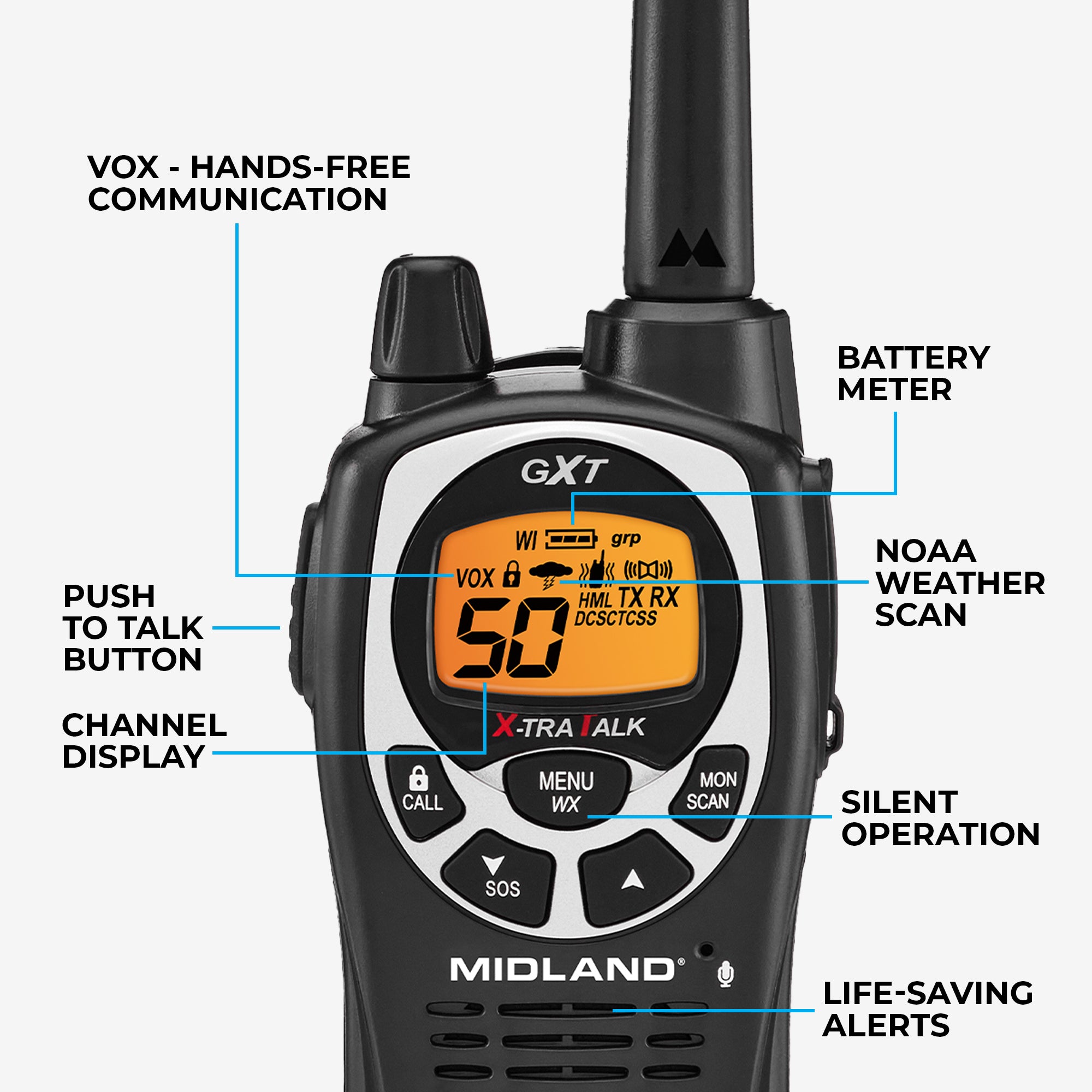
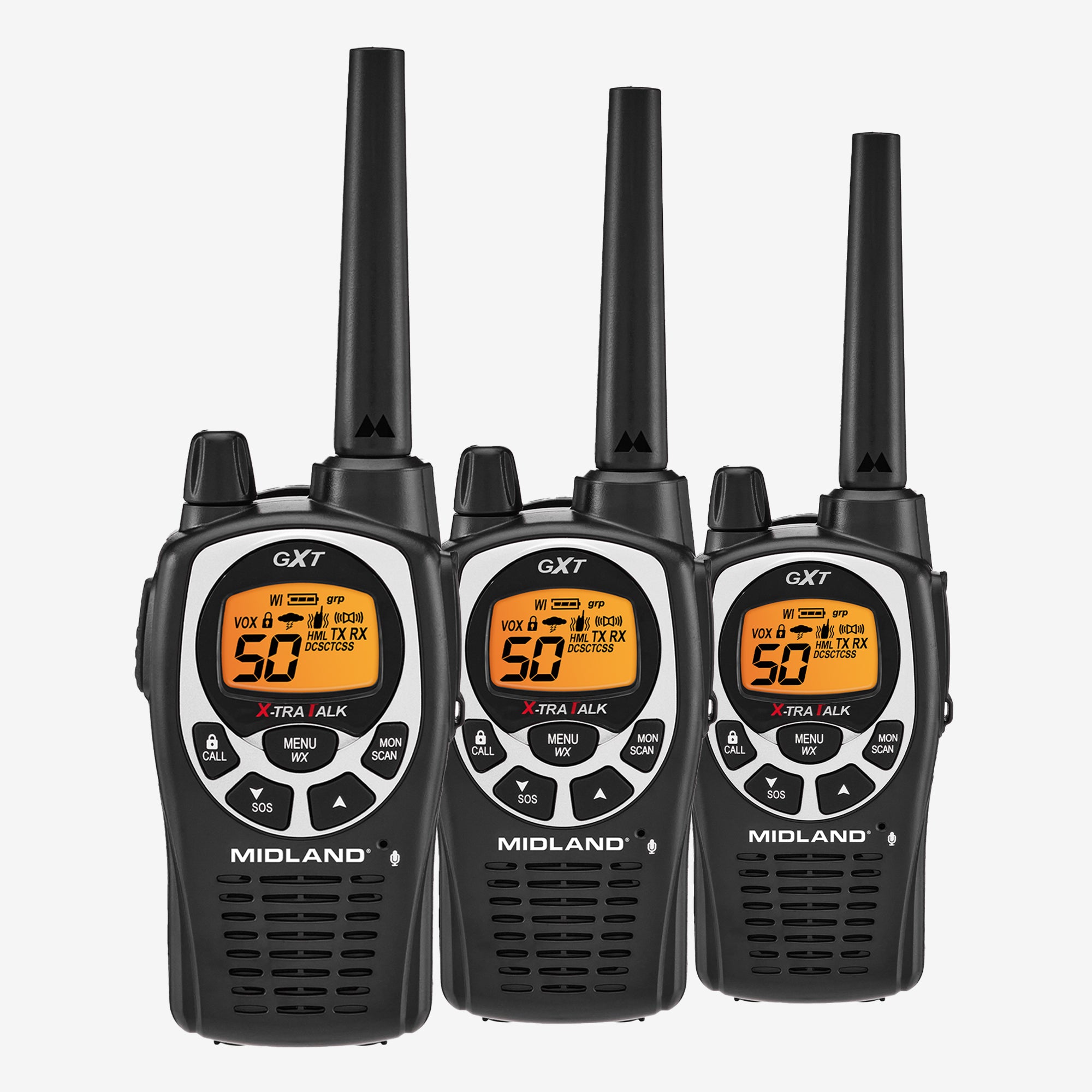
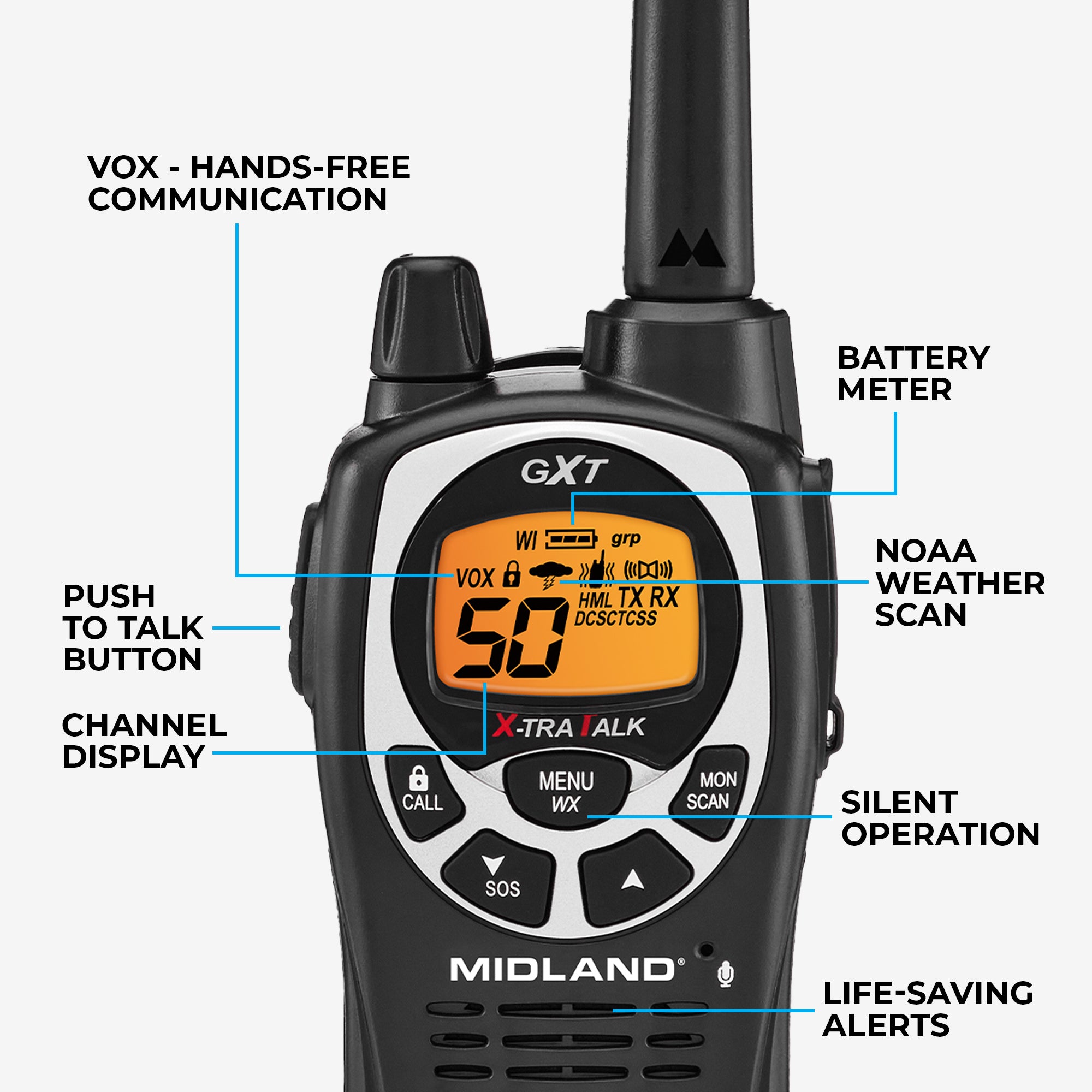
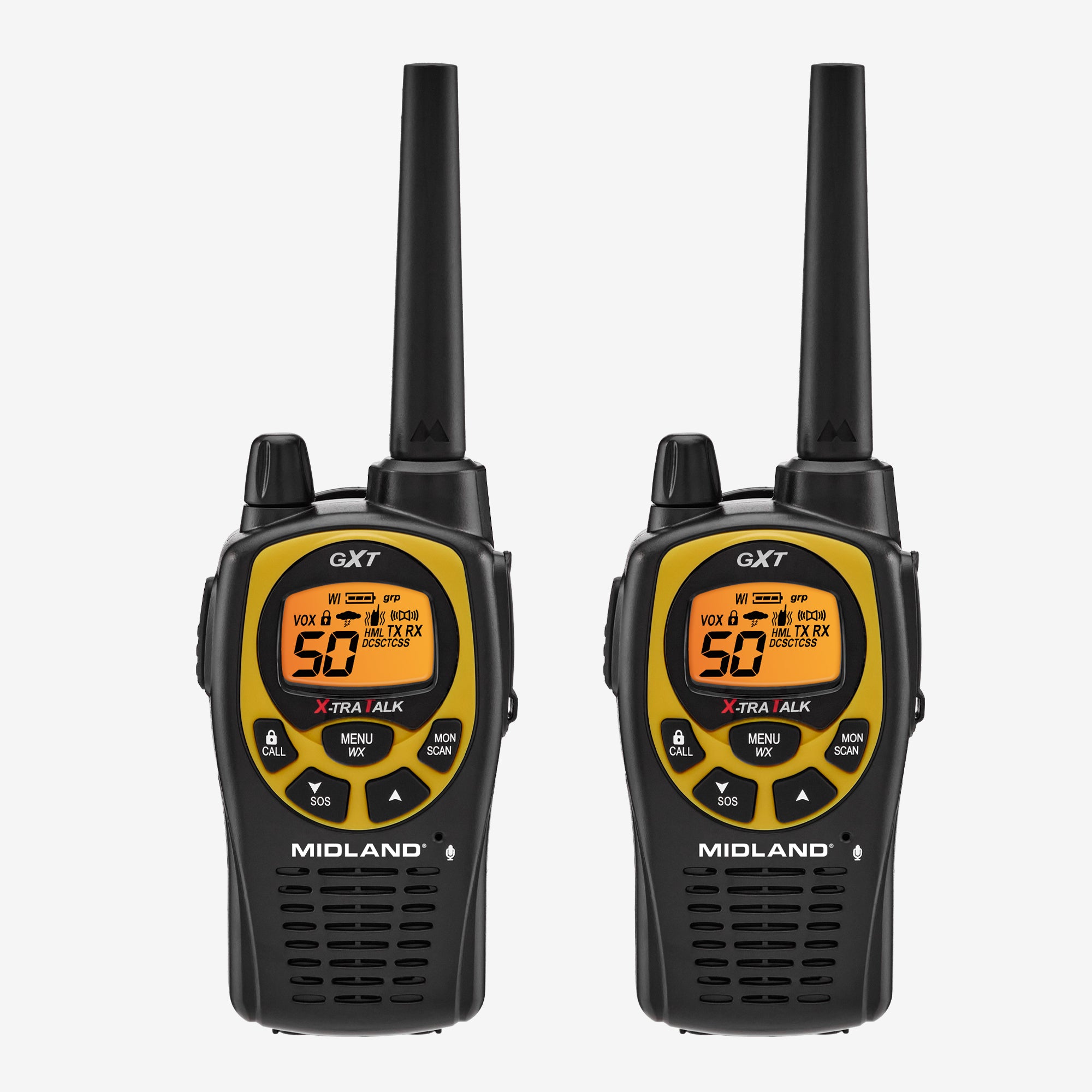
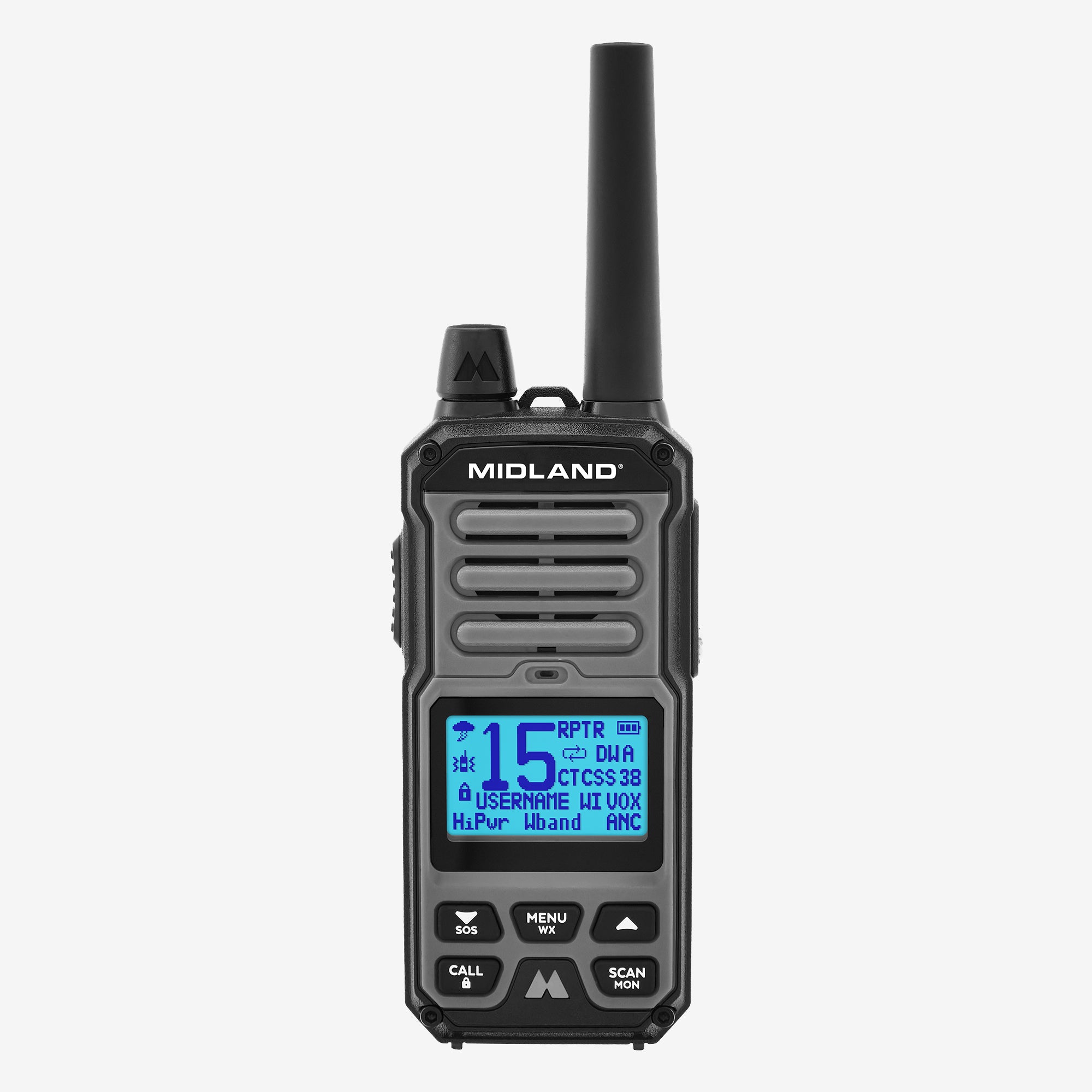
We use the LXT600BB FRS Radios. We have ordered them three times in the last year, for all three of the shelter facilities we currently run.+
How do you use them?
These are our primary tools for communication between our City Net staff and the security staff. Our facilities are large enough that a security officer needing to report issues from one end of the facility needs a radio to do so.
Have you used other radio communication at City Net before?
Yes, we have, and the other brand of devices did not last very long. The antennas broke off, the range was limited, and the number of channel options were less.
What made you decide to go with Midland?
We went with Midland because they were suggested to us from another security company that liked your products, and we liked that the products were more sturdy, professional, and feature-packed.
How do the radios help your day-to-day operations?
One great example that prompted us to get the new radios from Midland was one of our clients was overdosing, and the guard who saw it needed to let the staff know up front to come help with the Narcan administration (an emergency treatment preventing someone from dying from an opioid-overdose). The radio from the other company wasn't working, so she had to run to the front of the building to tell them physically, costing us valuable time. The client got the treatment they needed in time, but no thanks to the radios. With the Midland radios, we can be sure that in future emergency situations, we can rely on them for these lifesaving urgent situations.
Anything else you would like to add?
Overall the Midland radios have worked perfectly, provide the features we look for, and are just more heavy-duty and sturdy than the other brand radios we have used.
You can find out more information about City Net's many services on their website. You can donate to their organization here.
- by akinsman85
Organization Battling Homelessness Uses Midland Radios
- by akinsman85


Share:
How to Choose the Right Weather Radio for You
Business Two-Way Radios for Secure Communication in the Workplace