

Every September, National Preparedness Month serves as a reminder that emergencies can happen anywhere, at any time. Whether it's a hurricane along the coast, tornado in the Midwest, a wildfire in the West, or a severe thunderstorm that knocks out power, being prepared before disaster strikes can make all the difference.
The good news is that preparedness doesn't have to be overwhelming or complicated.
With a solid emergency plan, a well-stocked emergency kit, and reliable ways to receive weather alerts, you can help protect yourself AND your family when every minute counts.
Why Emergency Preparedness Matters
Natural disasters affect millions of Americans every year. According to the National Centers for Environmental Information, over the past five years, the United States has experienced an average of 18 billion-dollar climate disasters each year.
The same report found that over the past decade, severe storms have caused the highest number of billion-dollar climate disasters, followed by tropical cyclones, flooding, droughts, and wildfires.
Preparing now gives you and the family time to think clearly and calmly instead of reacting under pressure. It also helps ensure your family knows what to do if communication becomes difficult or you need to leave home quickly.
Build an Emergency Plan BEFORE You Need One
Every household should have either a formal or informal emergency plan that everyone is aware of and understands.
Make sure your plan addresses the following questions:
- Where will everyone meet if you're separated?
- Who is your out-of-town emergency contact?
- How will you communicate if cell service is unavailable?
- How will you receive alerts if cell towers are damaged, power goes out, etc.?
- Do you know multiple evacuation routes?
- Does everyone know where emergency supplies are stored?
- Have you planned for pets, elderly family members, or anyone with medical needs?
Review this plan with the household at least once a year and update it whenever your family or living situation changes.
What Should Be in an Emergency Kit?
According to FEMA, every emergency kit should be tailored to your family's needs, but these essentials are must-have items:
- Water for every member of your household
- Non-perishable food
- A portable, emergency crank radio
- First aid kit
- Prescription medications
- Flashlights
- Extra batteries
- Blankets
- Personal hygiene items
- Important documents stored in a waterproof container
- Cash in small bills
- Phone charging cables and battery banks
Stay Connected During an Emergency
One item that's often overlooked is a reliable source for emergency information and alerts.
While smartphones are incredibly useful, they rely on batteries, cell towers, and internet connections that may not be available during severe weather. Cell towers can easily become overwhelmed during severe weather and sometimes they are even physically damaged or destroyed.
A Midland® NOAA Weather Radio helps you receive official weather alerts and emergency broadcasts, even during widespread power outages. These alerts and broadcasts come directly from the National Weather Service so you know they have the latest and most accurate information.
Emergency crank radios like Midland's ER310 and ER310PRRO are also critical items for emergency kits as they move with you, providing alerts anywhere you are. These radios are equipped with multiple charging options, making them valuable items to every kit.

Preparing for Hurricanes
If you live in a hurricane-prone area, preparation should begin well before a storm enters the forecast, ideally at the start of hurricane season in early June.
Before hurricane season, experts say you should:
- Review evacuation routes
- Know your evacuation zone
- Trim trees around your home
- Charge backup batteries
- Fill vehicles with fuel
- Gather emergency supplies before stores become crowded and over picked
If local officials end up issuing an evacuation order, leave immediately. Roads become more dangerous as conditions worsen and waiting too long can limit your options.
If you're instructed to shelter in place:
- Stay indoors and away from windows
- Continue monitoring weather alerts
- Keep emergency supplies within reach
- Avoid going outside until officials say it's safe
Preparing for Tornadoes
If you've ever spent a spring or summer in the midwest, you know tornadoes can develop quickly, meaning you only have minutes to take shelter.
Identify the safest location in your home before severe weather arrives. Basements offer the best protection. If you don't have one, choose an interior room on the lowest floor away from windows.
A NOAA Weather Radio is the fastest way to get alerts, giving you maximum amount of time to get to shelter. They'll also alert day or night, including while you're sleeping, helping you react fast when tornado warnings are issued. Nocturnal tornadoes are especially dangerous because other alerting methods might not wake you up.
Practice your tornado safety plan with the family so everyone knows exactly where to go!
Preparing for Wildfires
Wildfires can spread rapidly, making early evacuation critical.
Create a go bag that can be grabbed in minutes. It should include items like:
- Important documents
- Medications
- Water and snacks
- Portable emergency crank radio
- Clothing
- Phone chargers
- Flashlights
- Pet supplies
Make sure you know multiple evacuation routes from your neighborhood and never wait until flames are visible to leave if officials recommend evacuating.
Preparing for Winter Storms
Snow, ice, and freezing temperatures can leave families without power for days.
Stock extra blankets, warm clothing, food, water, batteries, and alternative charging options before winter weather arrives.
Keep emergency supplies in your vehicle as well, including blankets, a flashlight, snacks, and a portable emergency radio.
Why Every Household Needs a NOAA Weather Radio
Weather changes quickly, but reliable alerts help you respond just as fast.
Unlike smartphones, NOAA Wether Radios continue receiving official alerts during many emergencies, making them one of the most dependable tools you can own.
These life-saving devices alert you as soon as the National Weather Service or your local emergency manager issues a watch or warning. It's the fastest, most accurate way to receive information.
For generations, Midland has set the standard for weather radios trusted by families, emergency managers, preparedness experts, and outdoor adventurers.
Whether you're looking for a bedside weather radio like the WR120 or the WR400, or an emergency crank radio like the ER310, ER310PRO, ER50, ER40, or ER10, Midland offers dependable solutions designed to keep you informed when it matters most.

Save During National Preparedness Month
National Preparedness Month is the best time to stock up on all your emergency items.
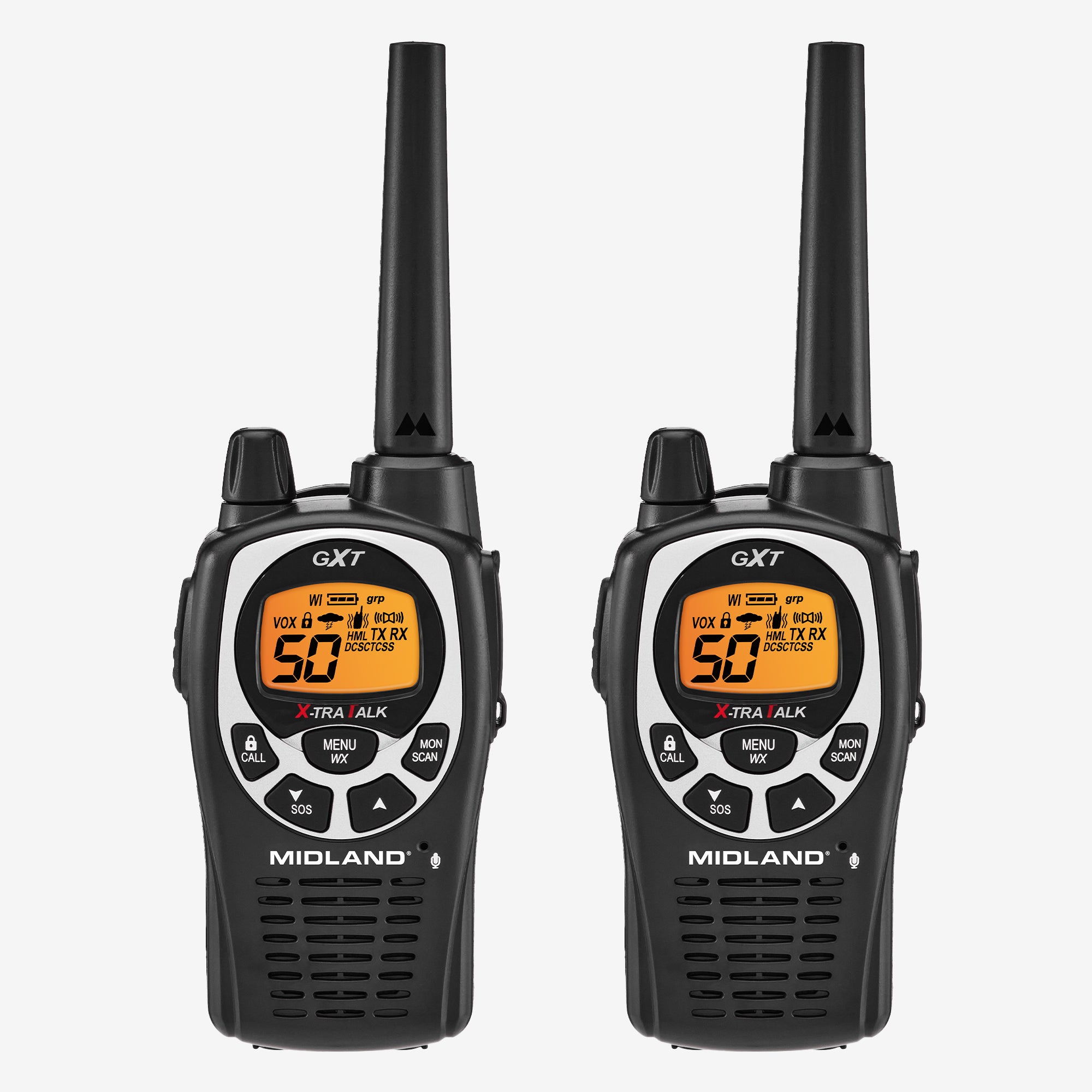
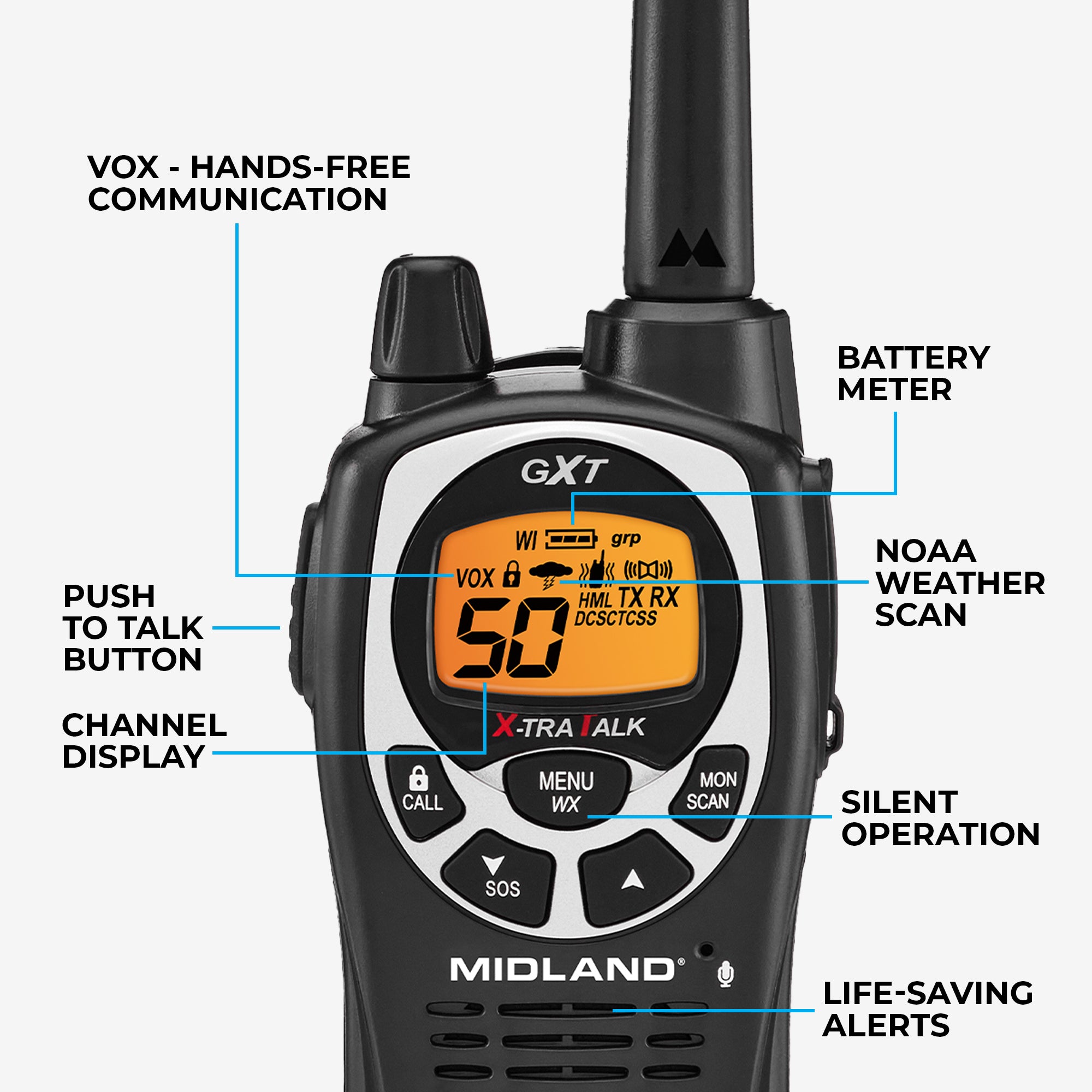
Throughout September 2026, save 20% on select Midland weather and emergency radios, including:
Preparing today can make tomorrow's emergencies less stressful.

Be Ready Before the Next Emergency
Preparedness isn't about being negative and expecting the worst. It's about having the confidence to respond when the unexpected happens.
Take time this National Preparedness Month to build your emergency plan, stock your emergency kit, review your evacuation routes, and make sure you have a dependable way to receive emergency alerts.
When severe weather strikes, trust Midland to help keep your family informed, prepared, and ready.

Share:
Best GMRS Radio for the Farm- Family Relies on Mobiles
Midland Provides GMRS Handhelds to Dolphin Research Center