

Whether you're coordinating a construction crew, managing a warehouse, running a school, or overseeing security at a large event, clear communication keeps your team moving.
While smartphones definitely have their place, many businesses rely on licensed two-way radios because they're dependable, instant, and built for environments where cellular service isn't always an option.
If you're looking into getting a licensed business radio, you might be wondering if you need an FCC business radio license. The short answer is yes, in most cases.
Understanding how business radio licensing works can help you keep your business compliant while getting the best possible performance from your communication system.
What's an FCC Business Radio License?
An FCC business radio license is an authorization from the Federal Communications Commission (FCC) that allows businesses like yours to operate on specific business radio frequencies. These licensed frequencies are assigned to help reduce interference from other radio users, creating a more reliable, private communication experience.
Unlike consumer walkie talkies that operate on shared frequencies, licensed business radios use dedicated channels that are intended for professional operations. This makes them an excellent choice for organizations that depend on clear, uninterrupted communication throughout the workday.
According to the FCC, business radio licenses last for 10 years.
The cost varies depending on several factors like the number of frequencies you're requesting, the number of locations you'll be operating in, and if you plan to use fixed antennas such as a repeater or base station.
A single frequency business radio license is about $170.
Who Needs a Business Radio License?
Many businesses that use UHF or VHF two-way radios for day-to-day operations will need a business radio license. Industries that commonly use licensed business radios include:
- Construction
- Manufacturing
- Warehousing and distribution
- Hospitality
- Property management
- Education
- Healthcare
- Security
- Event management
If your team depends on reliable communication across a jobsite, campus, or facility, licensed radios often provide better performance than license-free alternatives.

Why You Should Choose a Licensed Business Radio
While license-free radios can be a great solution for some applications, license systems offer several advantages.
Reduced Interference
Licensed, private frequencies are coordinated to minimize interference from nearby users. This is especially valuable in busy cities, large industrial facilities, or crowded event spaces where multiple radio systems may be operating.
Greater Coverage
Licensed business radios are often capable of higher power levels than some consumer walkie talkies, allowing them to cover larger properties and more challenging, tough environments.
Better Reliability
Dedicated frequencies help ensure your conversations remain clear, even during busy workdays when communication matters most, both for safety and efficiency.
Room to Grow
As your business expands, a licensed radio system can often be scaled easily with additional reach to meet your changing needs.
How to Get an FCC Business Radio License
Getting a business radio license is typically a pretty straightforward process, although the application requires specific information about your business and how the radios will be used.
The general process includes:
- Determining the area where your radios will operate
- Identifying the number of radios and users
- Coordinating available frequencies
- Submitting an application to the FCC
- Receiving your license before operating on licensed frequencies
We recommend you work with a frequency coordinator to simplify the process and ensure the correct frequencies are selected.
Contact Dave Smith at Forest Industries Telecommunications. You can contact him via his website or phone at 541-485-8441. Make sure to tell him Midland sent you.
What Happens If You Operate Without a License?
If you use licensed business radio frequencies without authorization, it can result in FCC enforcement actions, including warnings, fines, or other penalties.
Operating on unlicensed frequencies may cause interference with other licensed users, reducing communication quality for everyone involved.
Obtaining the proper license helps protect your investment and ensures your communication system operates as intended.
Do All Business Radios Require a License?
No! Some business radios operate on license-free frequencies and may be suitable for smaller teams for lighter-duty communication needs.
However, businesses that require tough communication over larger properties, multiple buildings, or busy job sites often benefit from licensed systems that offer improved reliability and reduced interference.
Choosing between licensed and license-free radios depends on factors like coverage requirements, the environment, and the number of users.

Midland Business Communication Solutions
Midland offers business communication solutions designed to help your business stay connected when it matters most. Whether you're coordinating employees across a warehouse, managing crews on a construction site, or keeping staff connected during large events, choosing the right communication system starts with understanding your needs.
If you're unsure whether your business requires an FCC business radio license, Midland has several communications solutions.
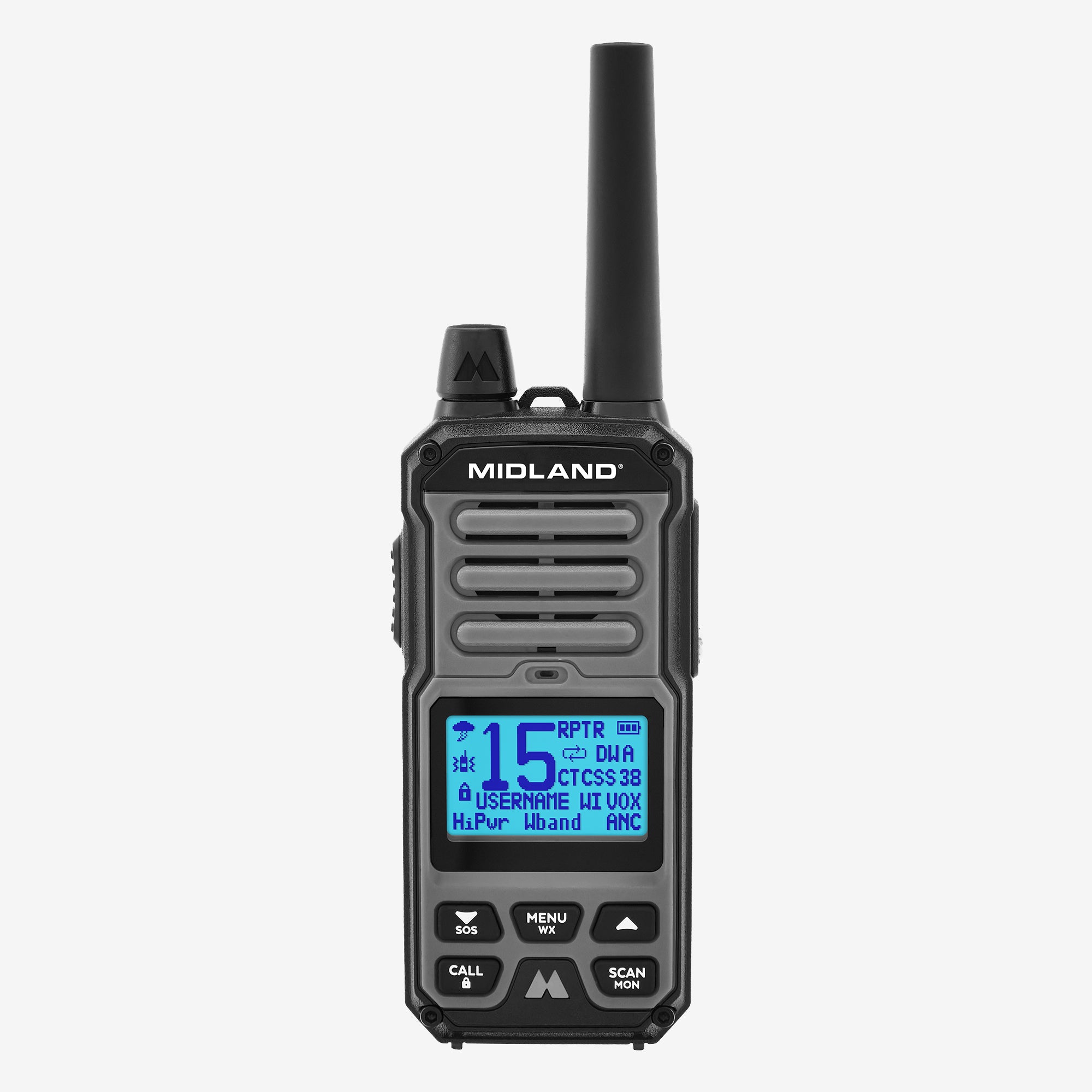
Licensed Business Radios
BR180 BizTalk Business Band Radio 6-Pack Bundle - BR180X6BGC
BR200 BizTalk Business Band Two-Way Radio Bundle - BR200X6GC
MB400 BizTalk Business Band Two-Way Radio Bundle - MB400X6MC
License-Free Business Radios
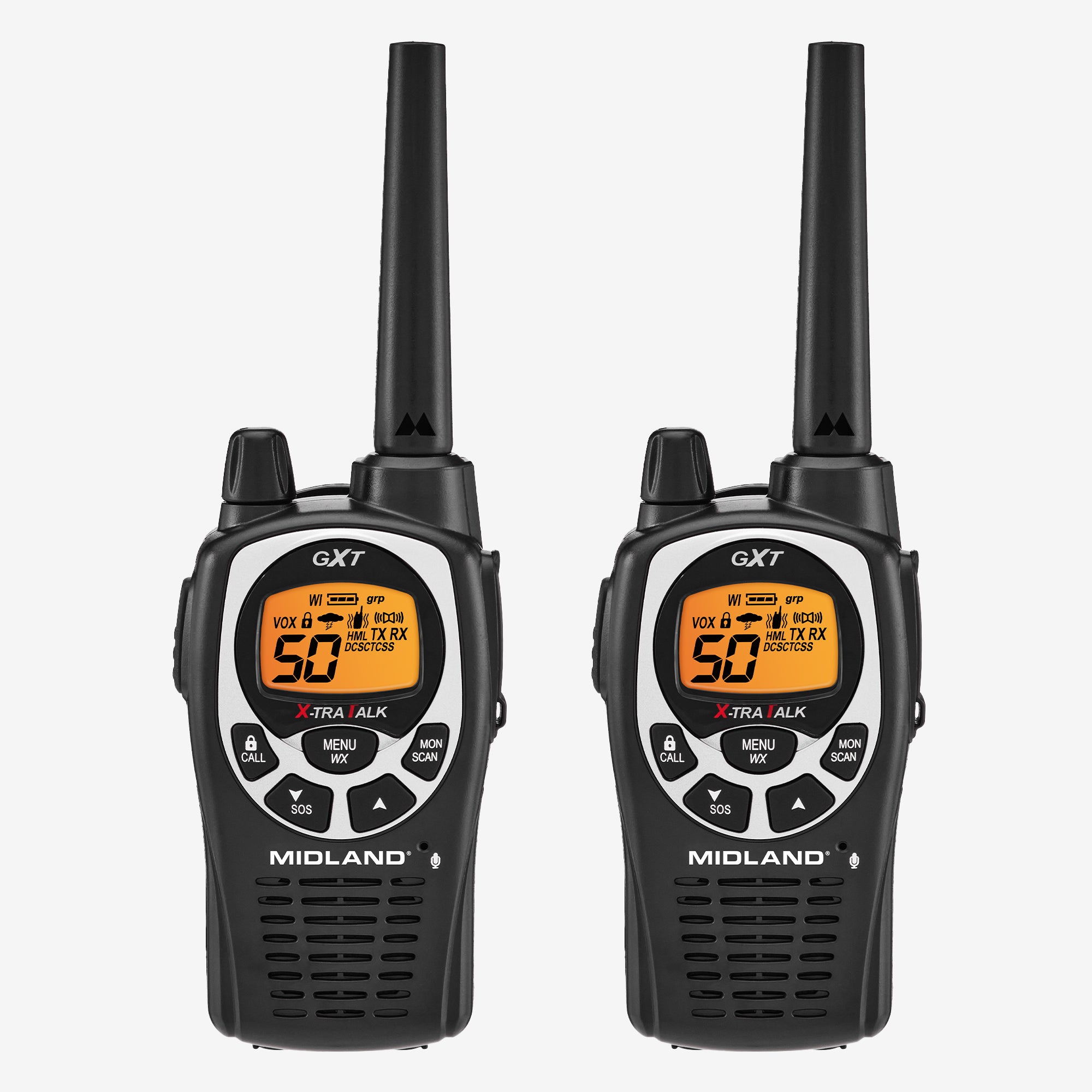
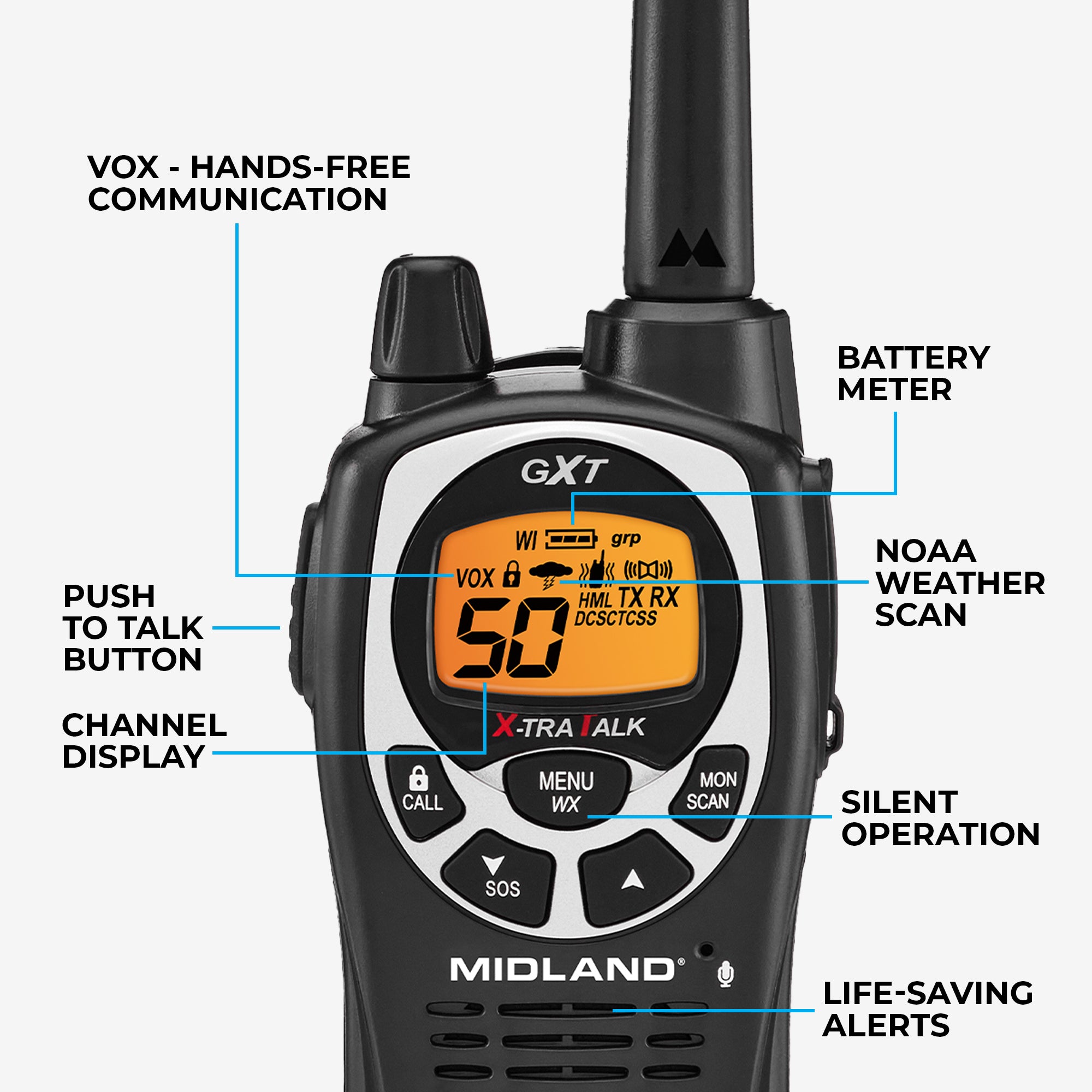
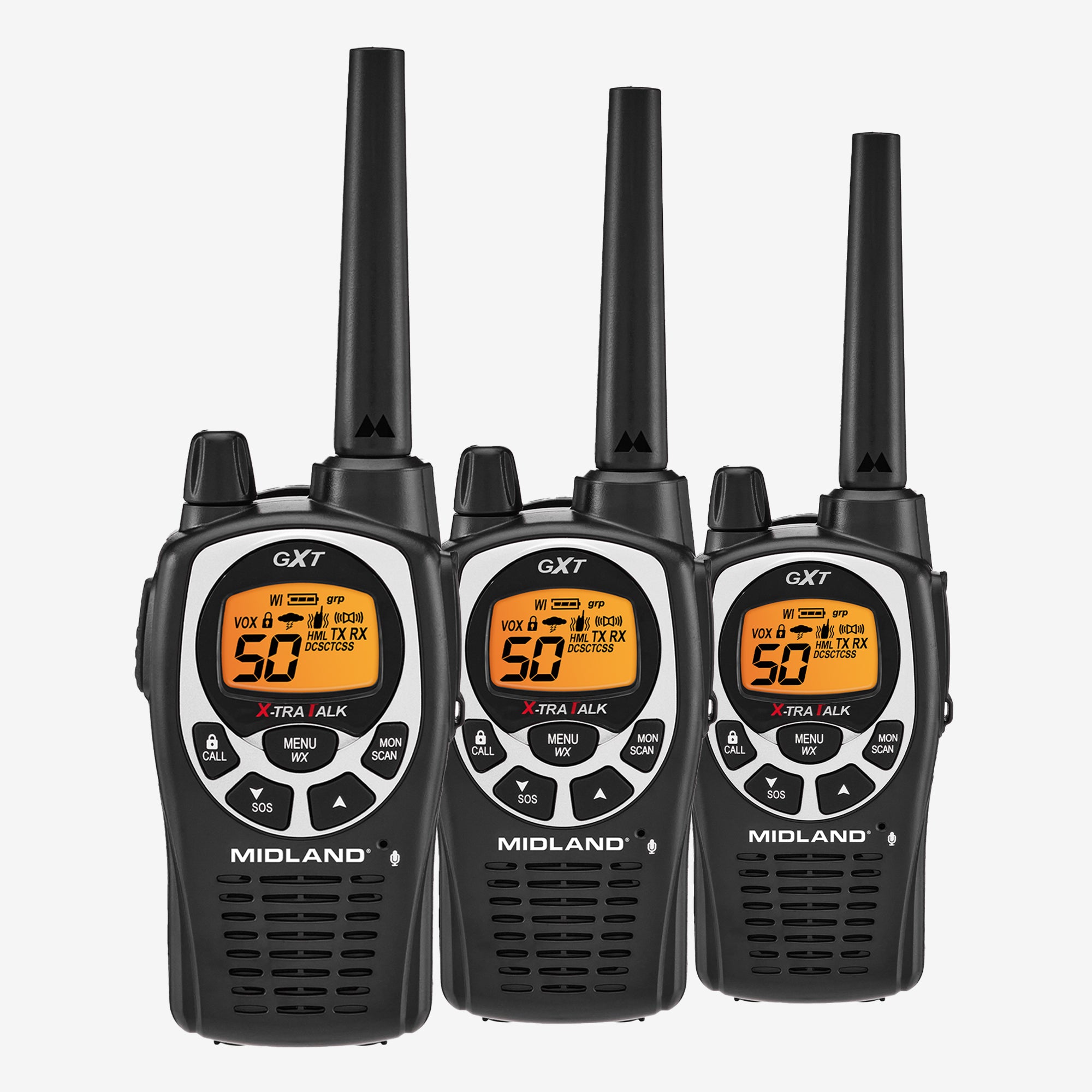
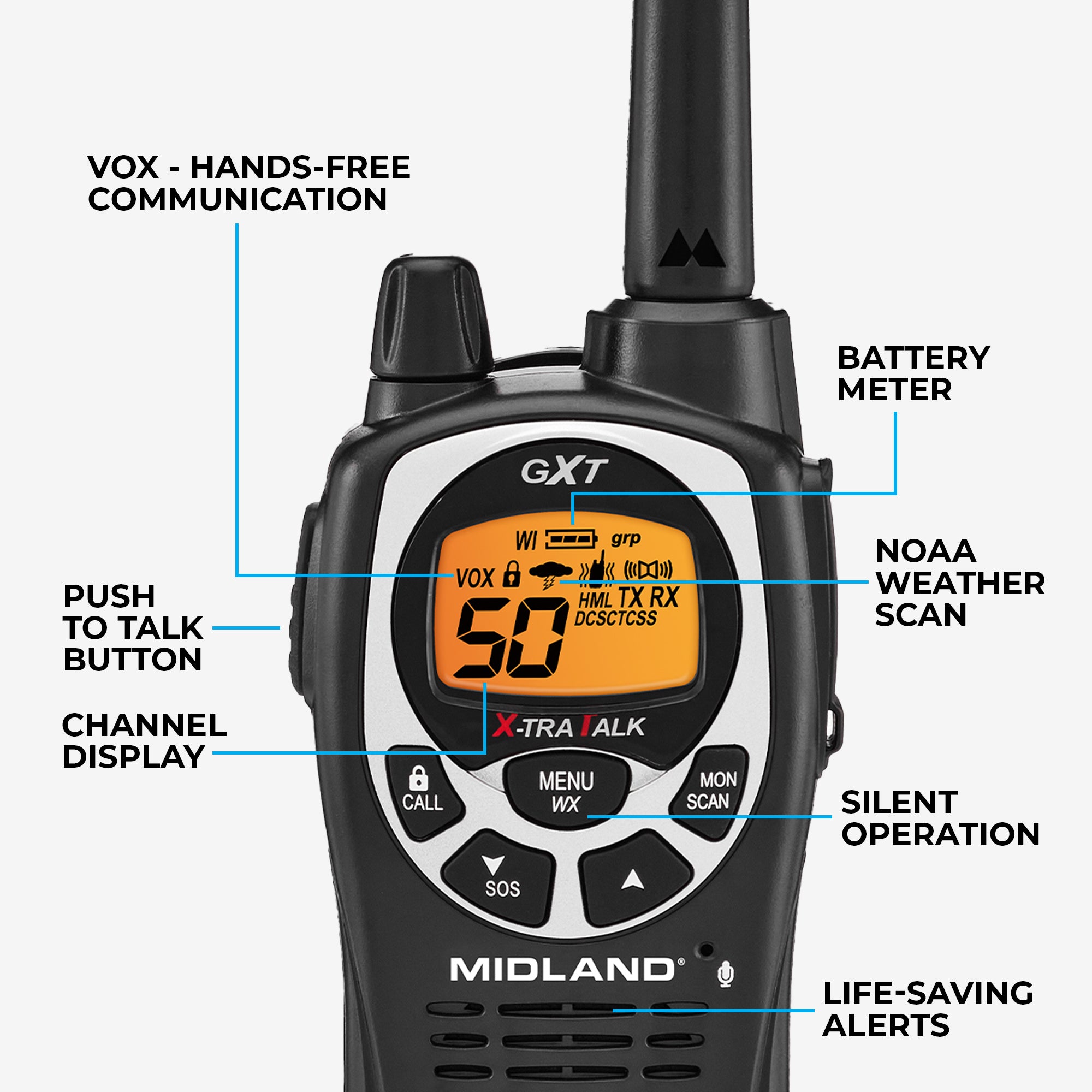
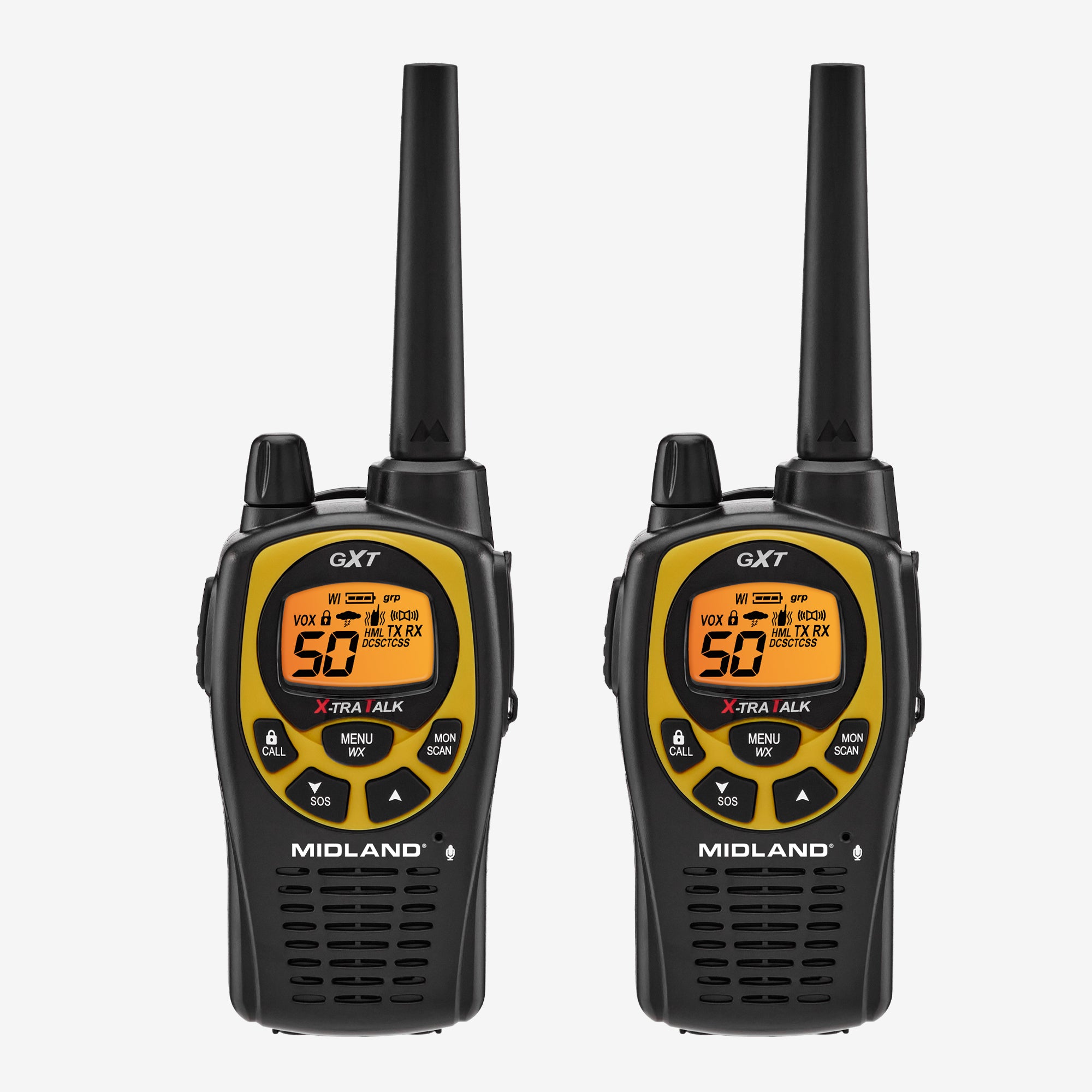
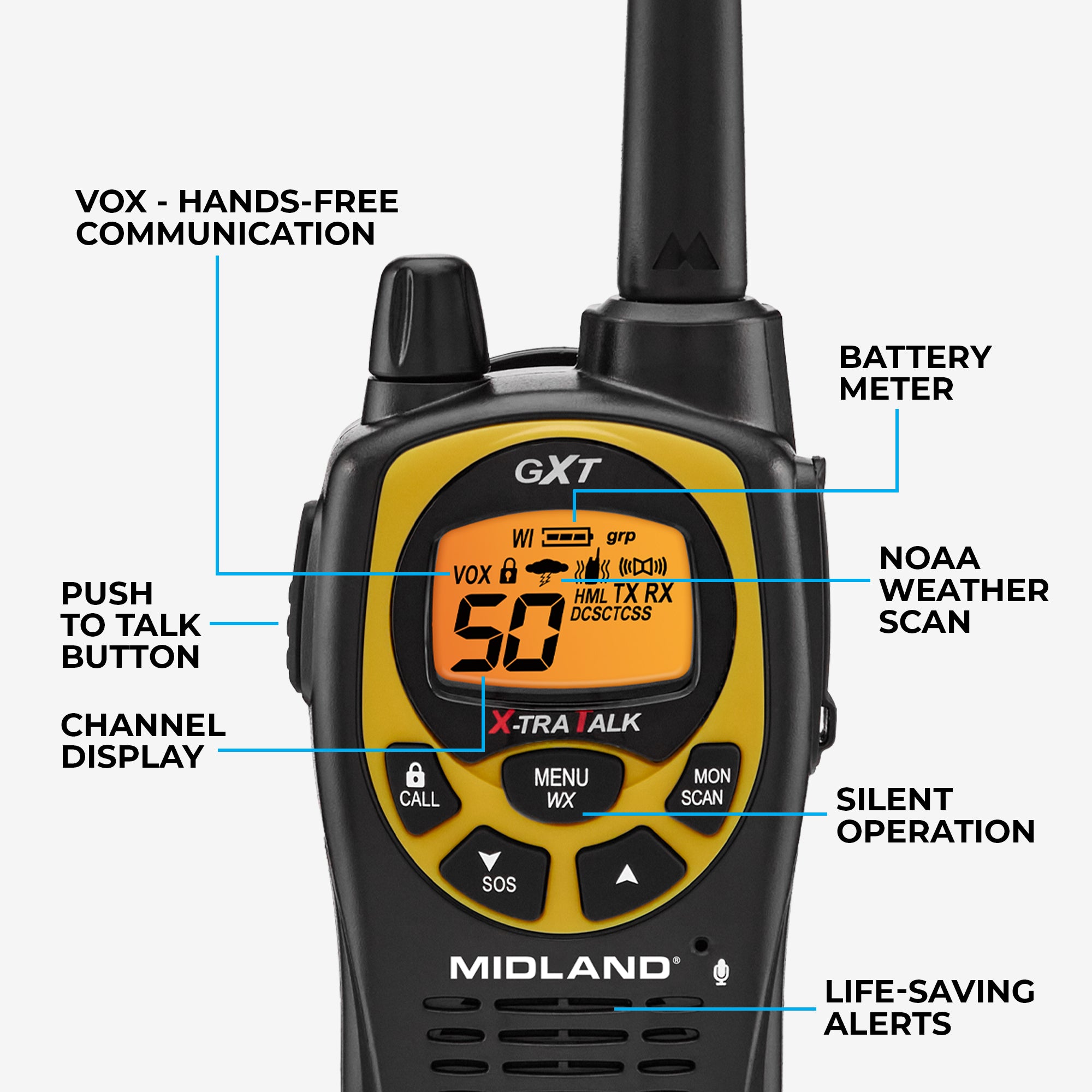
LXT600 BizTalk FRS Two-Way Business 6-Pack Bundle - GXT600BBX6
BR10 BizTalk FRS Heavy-Duty Business Radio 2-Pack - BR10X2
Frequently Asked Questions
How long does an FCC business radio license last?
Business radio licenses are typically valid for 10 years before renewal is required.
Can multiple employees use the same licensed radio systems?
Yes! A single business radio license covers your organization's authorized radio setup and can be used by employees operating under that license.
Is a business radio license difficult to obtain?
Most businesses find it pretty straightforward, especially when working with a frequency coordinator, like Dave Smith.
What's the difference between licensed and license-free radios?
Licensed radios operate on FCC-authorized frequencies that help reduce interference and improve reliability.
License-free radios use shared frequencies that may experience more congestion depending on your location.
Stay Connected with Confidence
Reliable communication is the key to an efficient business, increasing productivity and safety. Understanding when you need an FCC business radio license is the first step toward building a communication system your team can count on.
Whether you're upgrading your current radios or implementing an entirely new setup, choosing the right licensed or license-free business radio can help your organization communicate with greater confidence every day.




Share:
Radios for Harvest- Shop Midland's Top 5 Farm Products
Meet Midland’s New MXT295 PRO 15-Watt MicroMobile