
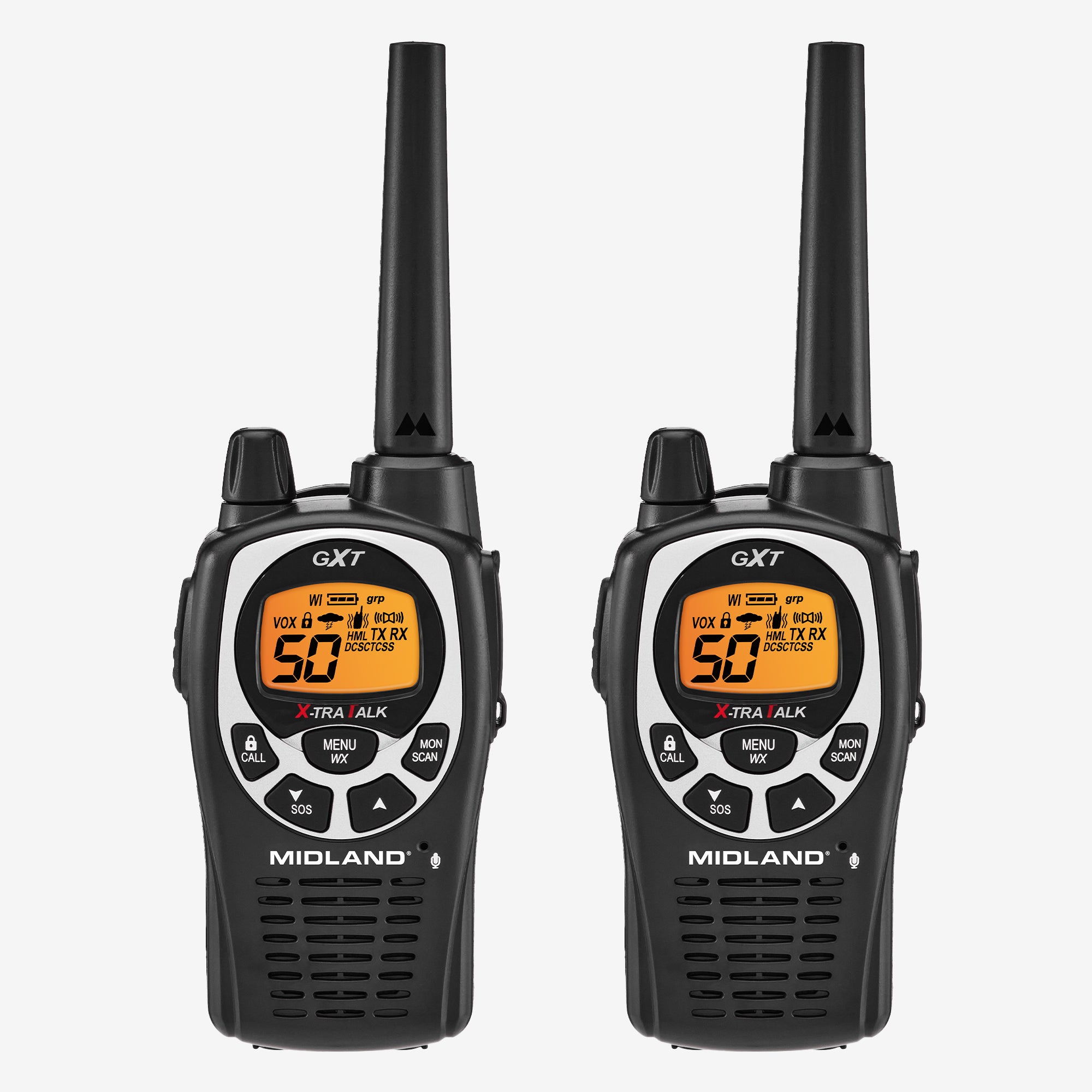
To the average consumer, a walkie-talkie might as well work on the same frequencies an AM/FM radio does. To GMRS (General Mobile Radio Service) and two-way radio purists, that could not be further from the truth. Since GMRS requires an FCC license and call sign, many two-way radio users restrict themselves to the lower power FRS channels that can be used by the general public. What are GMRS repeater channels? Did you know that these channels don't even scratch the surface of the range capabilities of GMRS radios?
GMRS repeater channels access the extensive national network of repeater towers and can greatly increase the range of a GMRS radio, no matter the wattage. Repeater towers act as both a radio receiver and transmitter, receiving low powered signals and then blasting them out with even more power and covering longer distances without degradation of the origin signal, allowing users to communicate clearly while miles apart.
These repeater channels are especially useful in terrain where there may be obstructions between radios, dramatically reducing the radio's broadcast range. The advertised ranges of 25-38 miles are based on direct line of sight and two way radio communication is greatly diminished when obstructions are present. In a dense urban area or hilly back country, a radio that has an advertised range of 32 miles may only reach a quarter to half mile. With repeater channels, that range is maximized as long as the radio and user are within range of a repeater tower. Theoretically, one could broadcast a signal halfway across a large state like Texas when within range of repeater towers.
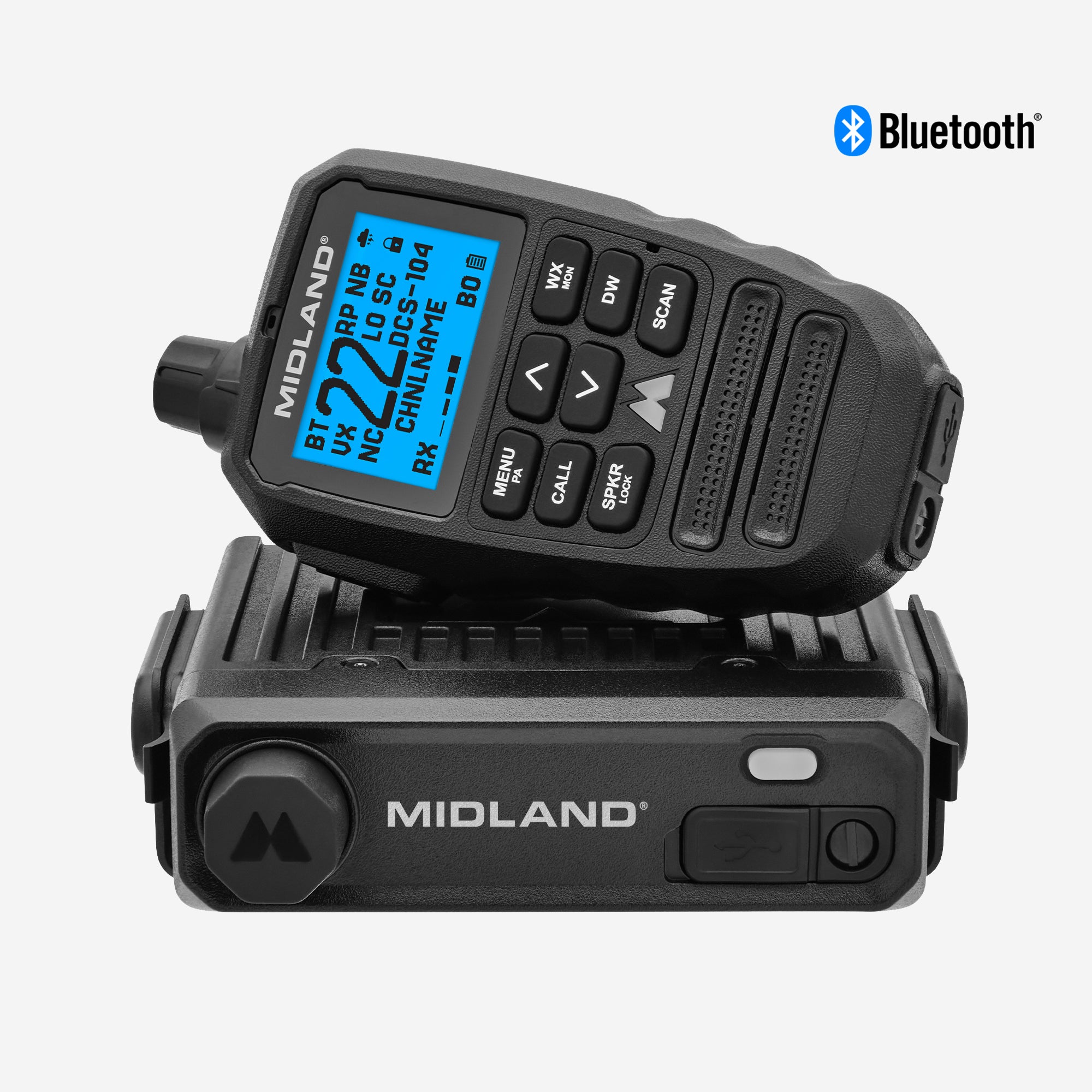
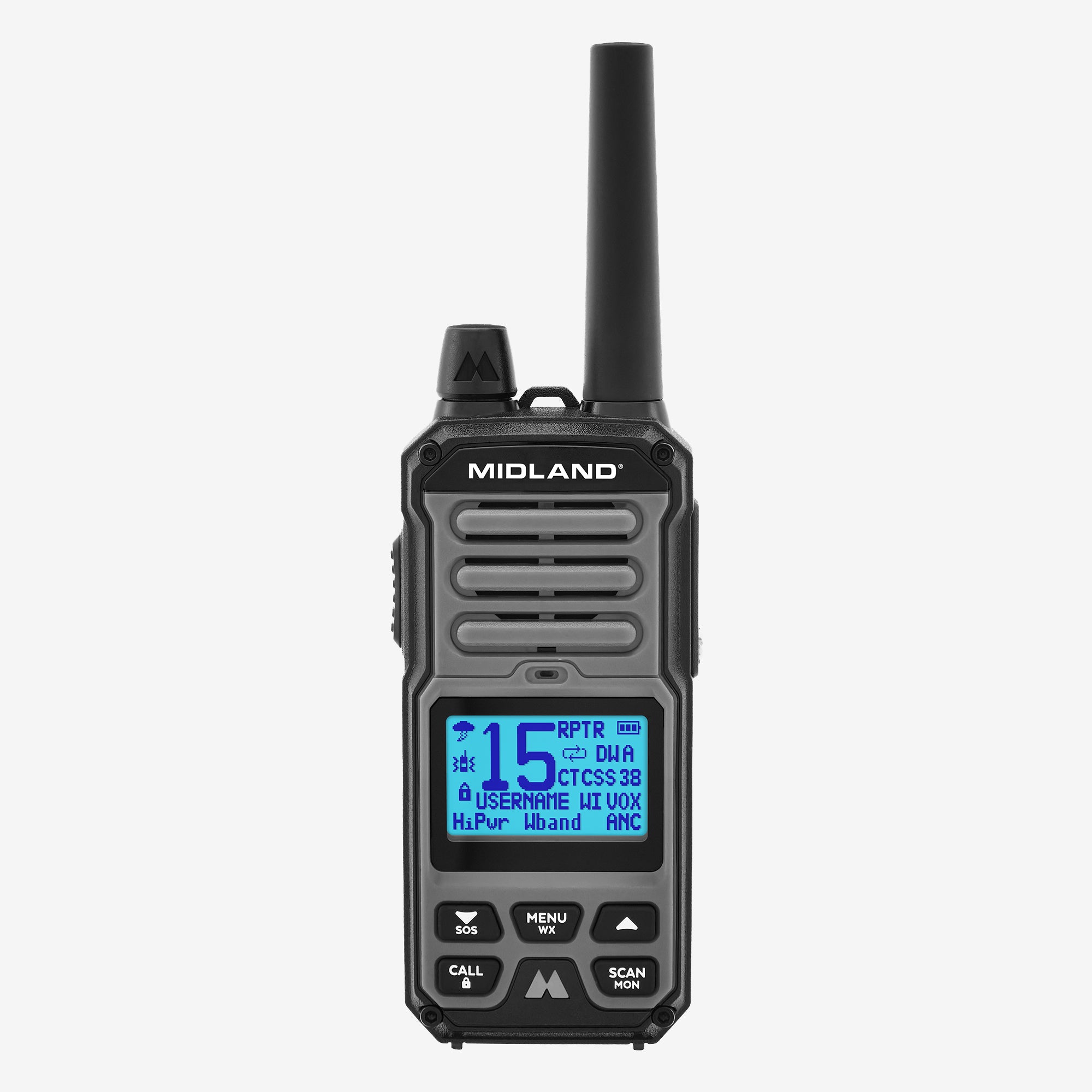
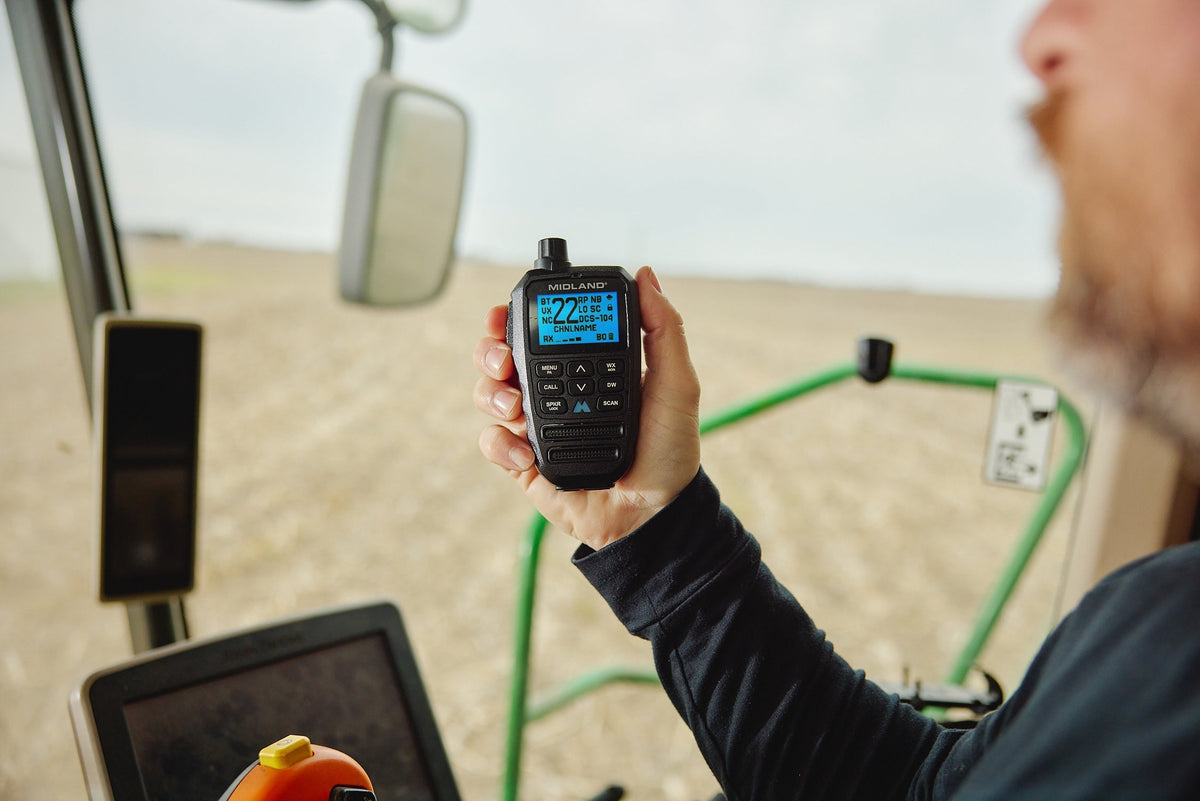
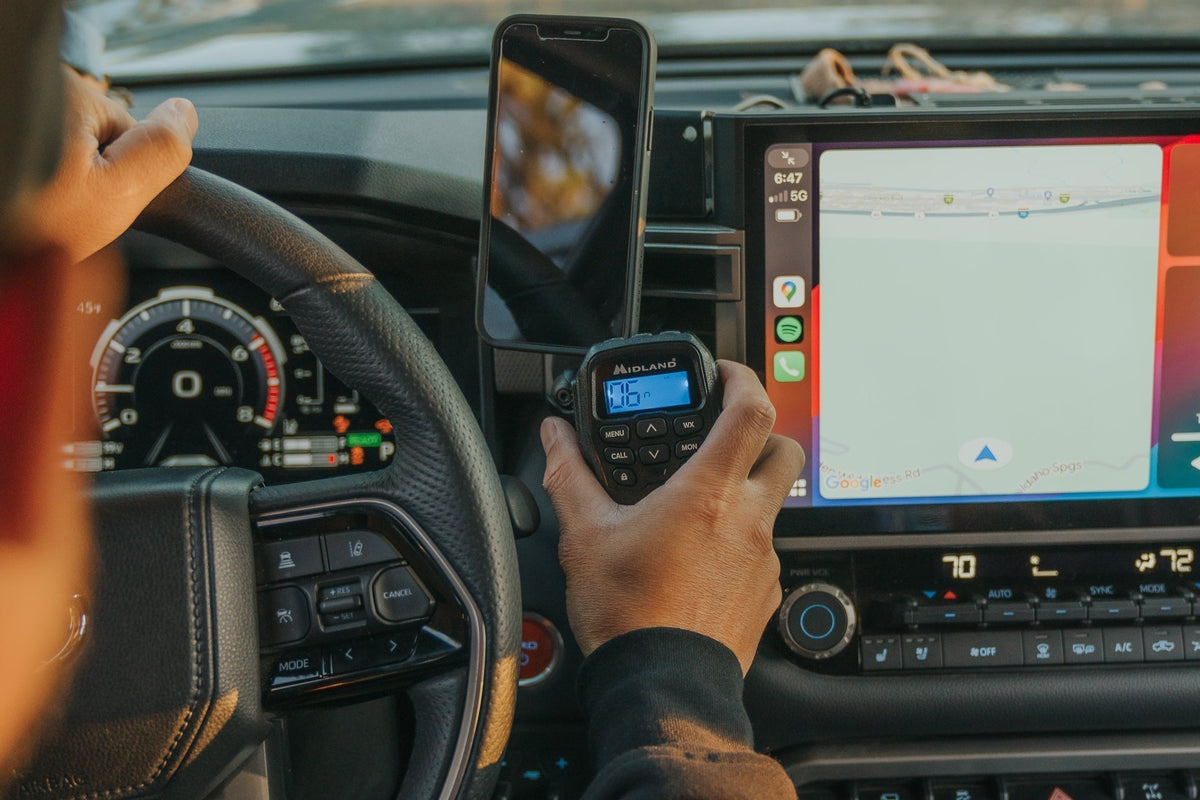
Despite the success of the original MXT100 MicroMobile®, one of the biggest complaints we received was that it did not include the GMRS repeater input channels, thus limiting its five watts of broadcast power. With the MXT500 and MXT115, we have maximized the range on these 50 and 15-Watt radios by adding the repeater channels, giving them ranges usually not seen in GMRS radios.
It is important to know that these towers are also privately owned and operated, so be sure to ask permission from the owner before using these towers.
- by Brian McGannon
What Are Repeater Channels and Why Do They Matter?
- by Brian McGannon

Share:
6 Things You Should Know about FCC Changes for FRS and GMRS Radios
13 East Coast Off-Road Trails from Mild to Wild