

Kayak fishing offers anglers a unique way to explore the water. With just a paddle, small boat, and a sense of adventure, anglers can reach places that larger boats simply can't access. However, with that freedom also comes responsibility, especially when it comes to safety and communication.
For Cameron Smith, a Texas-based kayak angler and content creator, communication on the water has become just as important as rods, reels, and tackle. After years of fishing remote lakes and competing in national tournaments, he's learned that reliable communication tools can make a major difference when conditions change quickly.
That's why he never heads out on the water without a 5-Watt GMRS walkie talkie.
Smith shares how he got into kayak fishing, what makes the sport so unique, and why reliable two-way radios, specifically Midland's GXT67PRO, have become an essential part of his setup.
Meet Cameron Smith: Adventure Angler and Kayak Fishing Competitor
Cameron Smith has been fishing for as long as he can remember.
"My dad taught me how to fish when I was young," he says. "It's always been something my brother and I loved doing together."
For years, he fished from the bank like many anglers do, but about a decade ago, he decided to try something different- fishing from a kayak.
"The easiest and and most successful way for me to get off the bank and onto the water was with a kayak," Cameron explains. "Once I started doing it, I never looked back."
Today, Smith fishes both recreationally and competitively. What started as a hobby has grown into something much bigger. He now shares his kayak fishing adventures online and competes in national tournaments, including the Bassmaster Kayak Series.
But even with the competitive aspect, Smith says the sport is still rooted in exploration.
"Adventure-based kayak fishing is really about stepping outside your comfort zone," he says. "It's about going somewhere unfamiliar and trying something new."
For Smith, that might mean paddling across a remote lake, navigating through swampy waterways, or exploring waters most anglers never reach.

Why Kayak Fishing is Different
Unlike traditional fishing boats, kayaks give anglers a completely different experience on the water.
They're smaller, quieter, and far more maneuverable. Anglers can slip into narrow channels, fish shallow water, and reach locations that larger boats can't access.
The biggest difference, Smith said, is the community.
"One of the things I love most about kayak fishing is the camaraderie," he explains. "Because it's still a relatively small sport, people are always helping each other out."
That sense of community is one reason kayak fishing continues to grow across the country. Whether anglers are sharing tips, competing in tournaments, or exploring new water together, the connections between anglers are strong.
"There's almost a brotherhood and sisterhood in kayak fishing," Cameron says. "Once people get into it and still meet others in the community, it's very hard to step away."
Still, kayaking comes with challenges that anglers in larger boats may never face. When you're sitting just inches above the water in a small boat, conditions can change quickly, and communication becomes critical.

Why a 5-Watt GMRS Walkie Talkie Is Essential for Kayak Fishing
Kayak anglers often fish in remote areas where cell phone service isn't reliable.
For Smith, that reality became clear during trips to remote lakes along the Texas-Louisiana border.
"There were places where there was almost no cell service," he says. "When you're fishing separate areas trying to find fish, you still need to stay in communication with your partner."
That's when he started using two-way radios.
A 5-Watt GMRS walkie talkie provides reliable communication even in areas where mobile coverage disappears. Unlike smartphones, radios are designed specifically for outdoor environments where signal strength can vary.
"We realized pretty quickly that radios were a much better way for us to stay connected," Smith explains.
Beyond everyday communication, radios also provide peace of mind in emergency situations.
Kayak anglers are exposed to changing weather conditions and open water, and getting back to shore isn't always quick or easy.
"In a kayak you can't just fire up the engine and get back to the boat ramp," Smith says. "If weather turns bad, you need to know about it as early as possible."
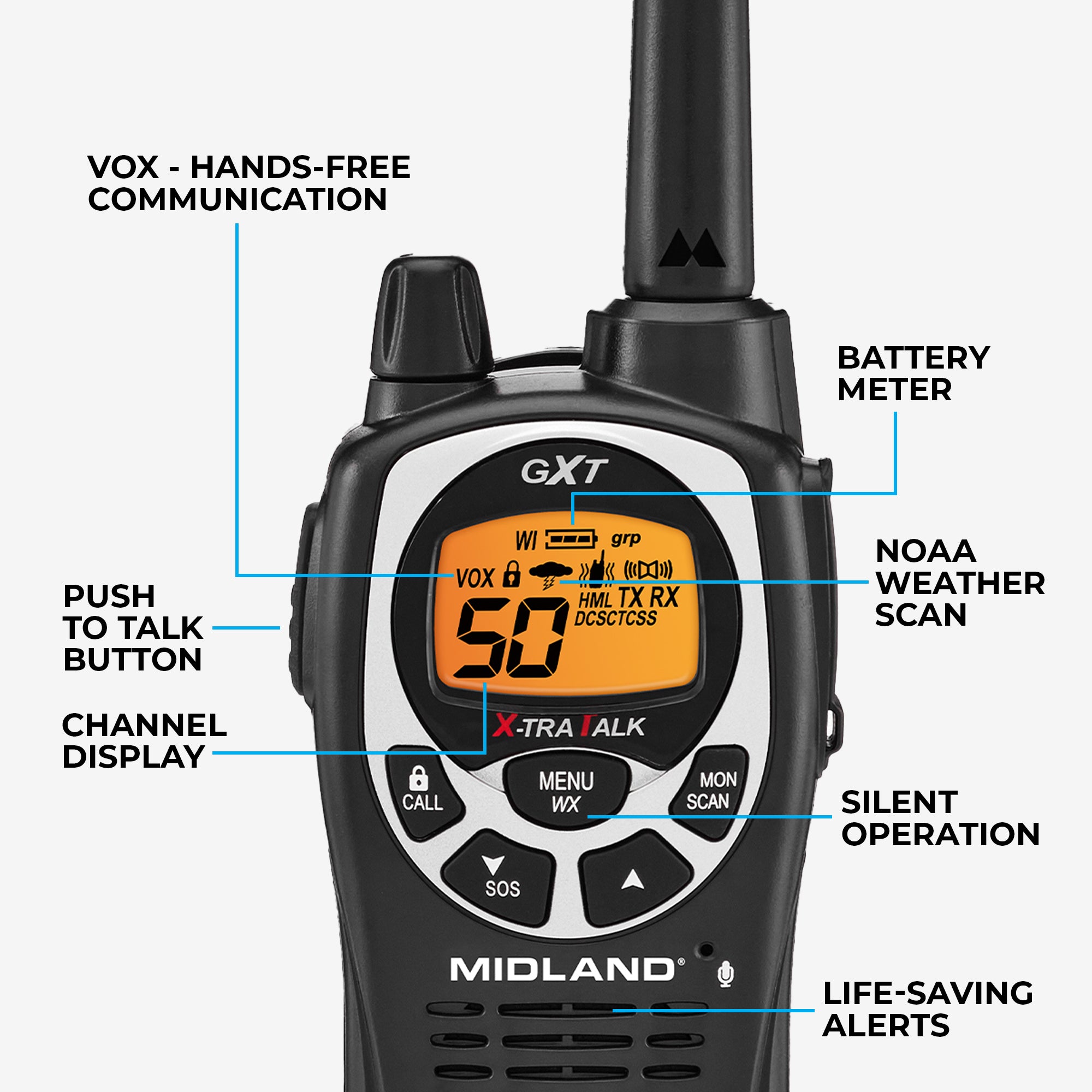
That's where weather alerts built into a 5-Watt GMRS walkie talkie can make a major difference.
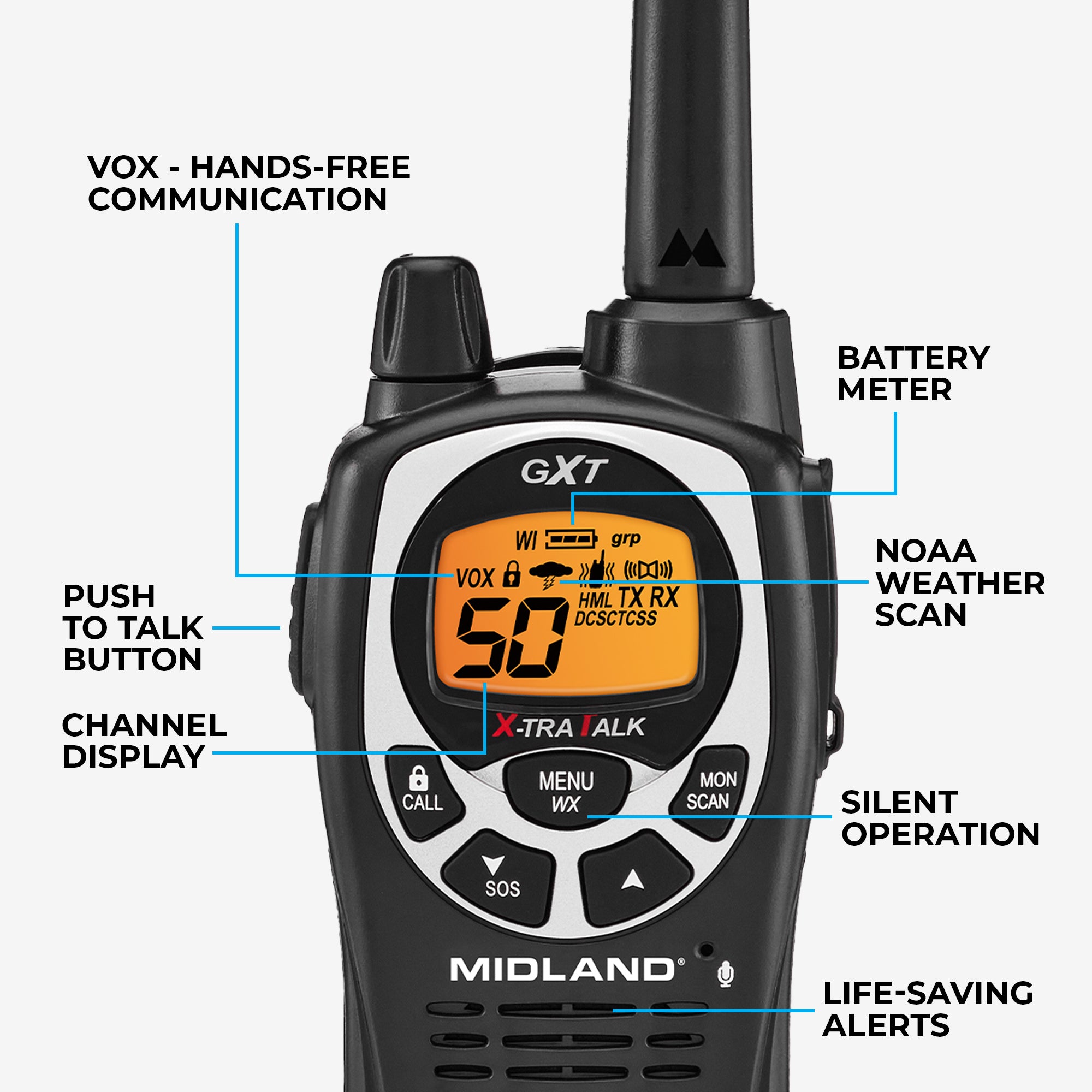
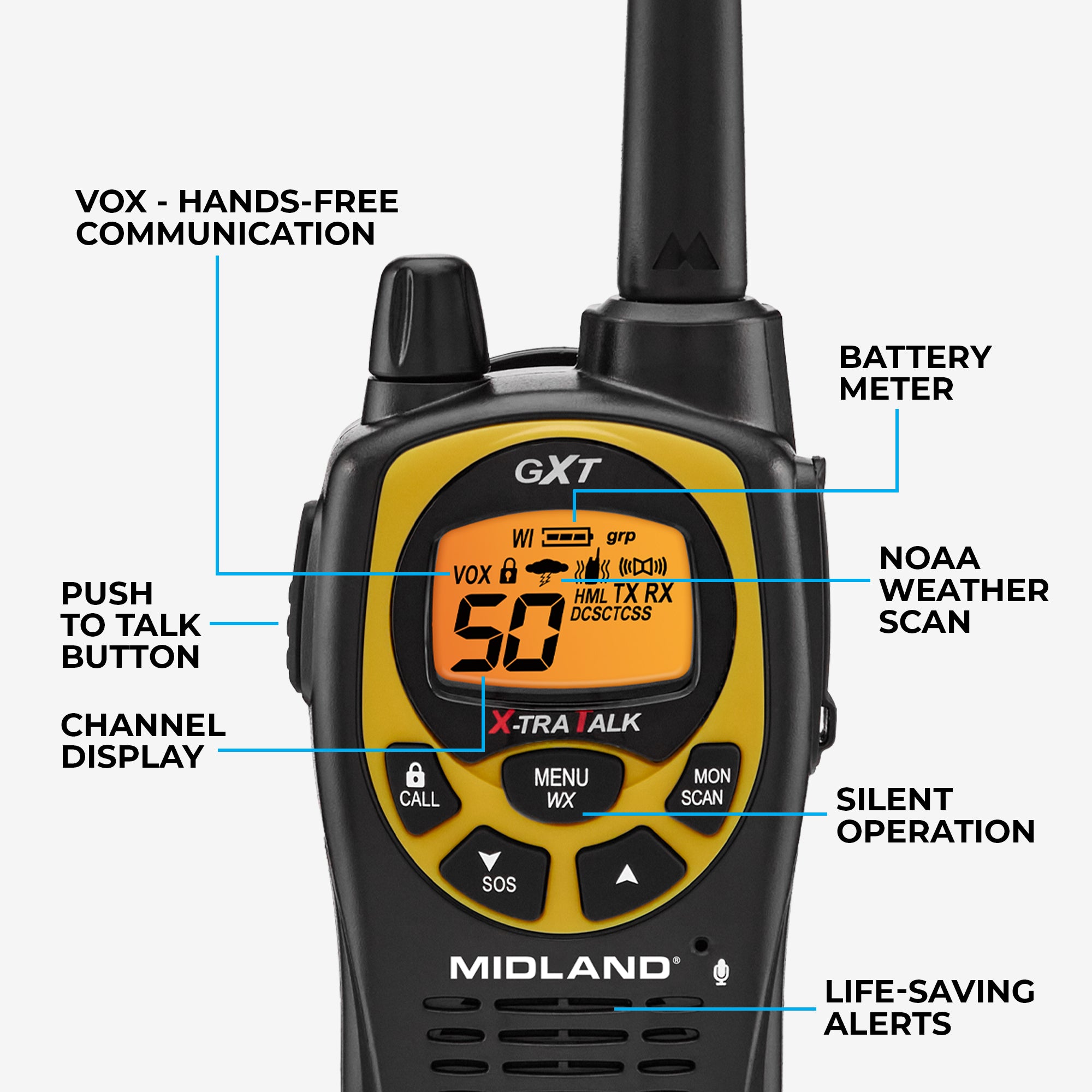
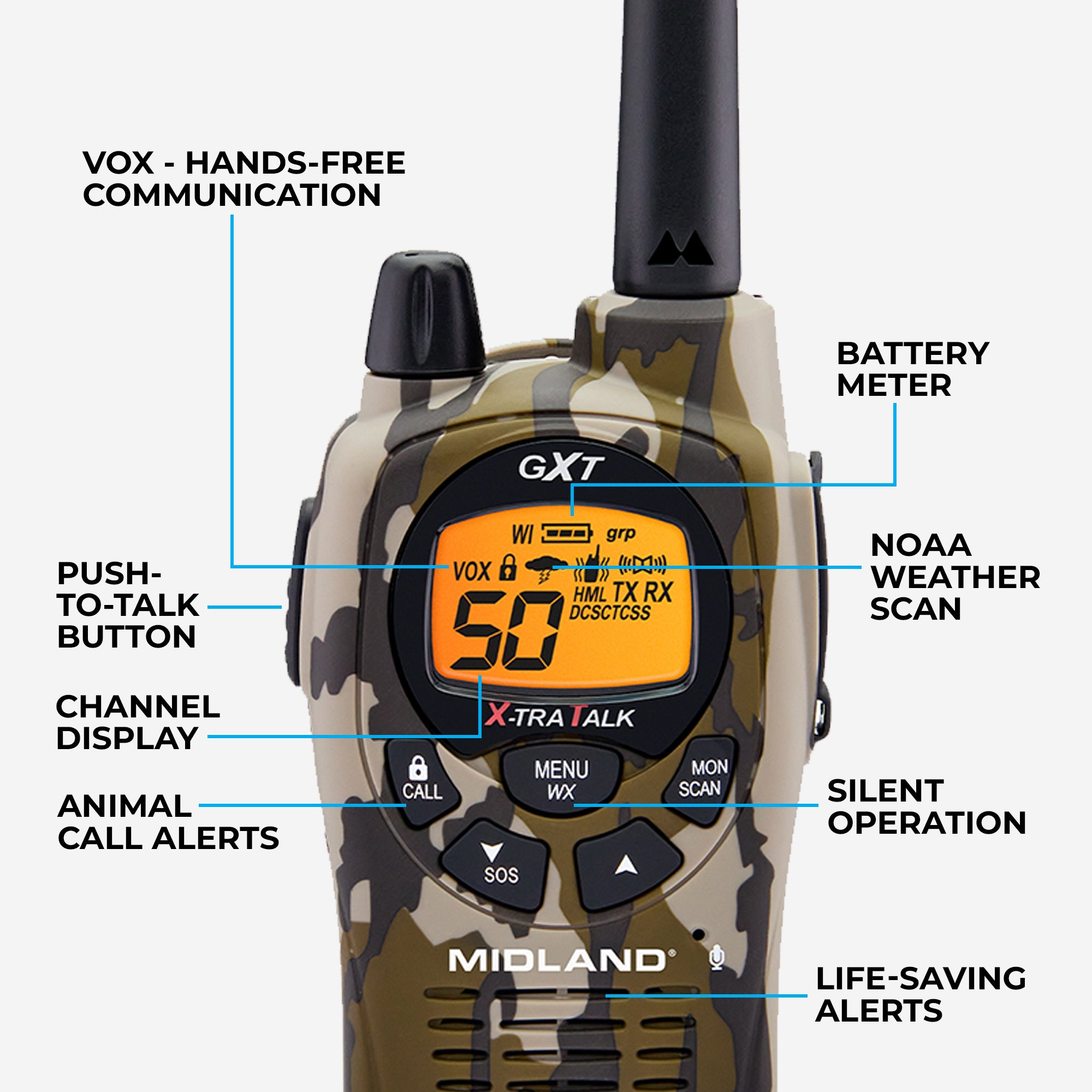
"I keep the NOAA Weather Radio alerts monitoring all the time," Cameron says. "It's helped me more than once when storms popped up unexpectedly."

Why Smith Uses the Midland GXT67PRO
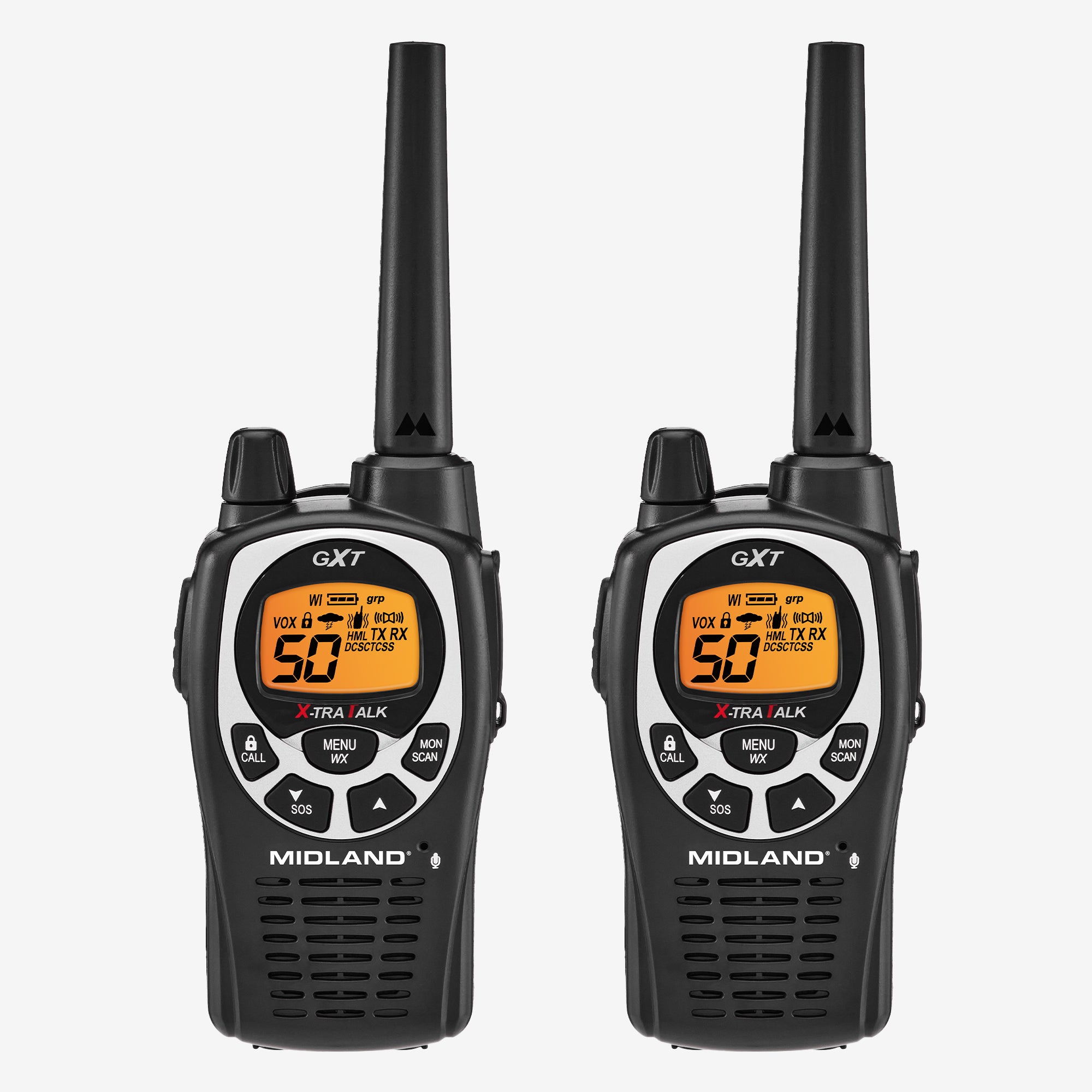
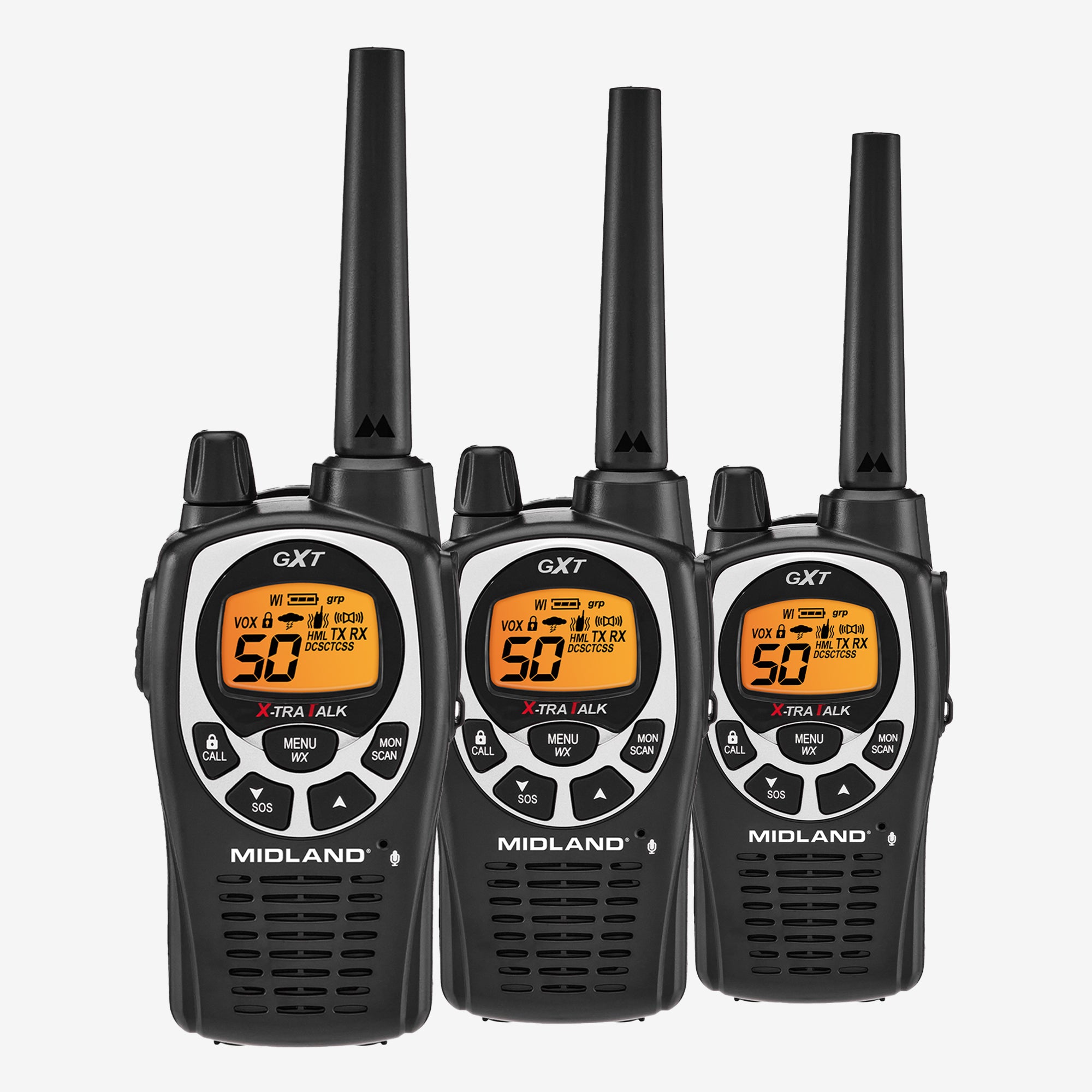
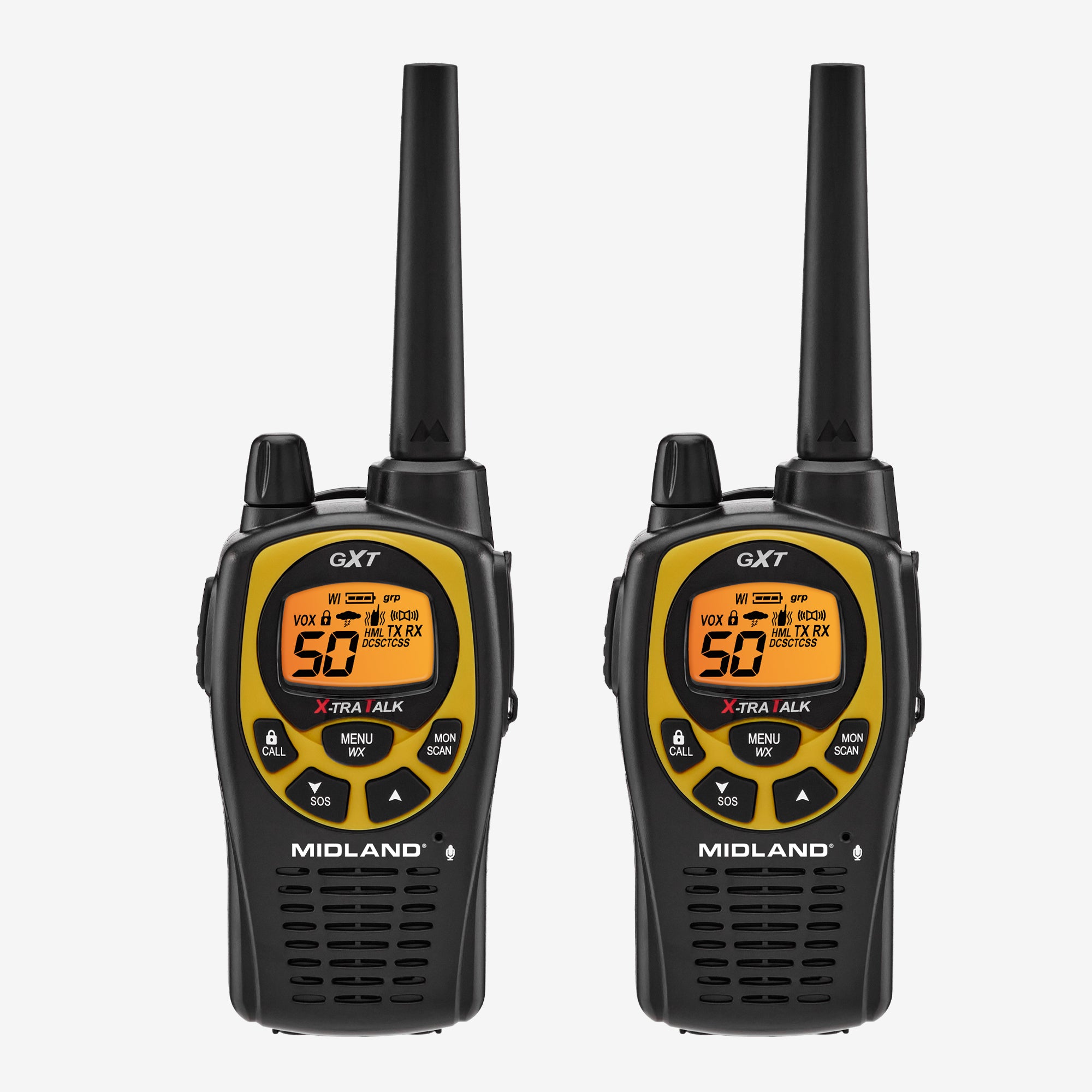
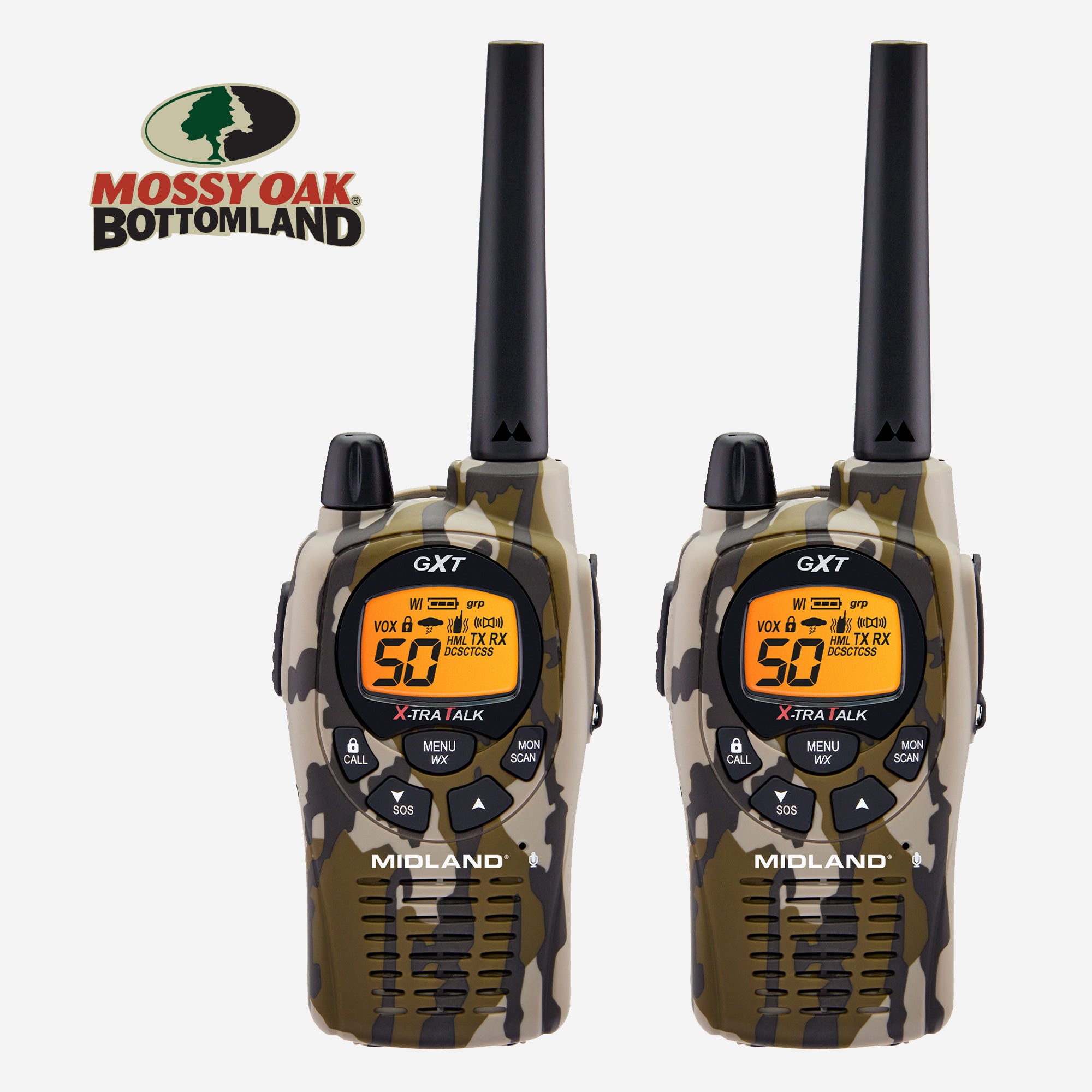
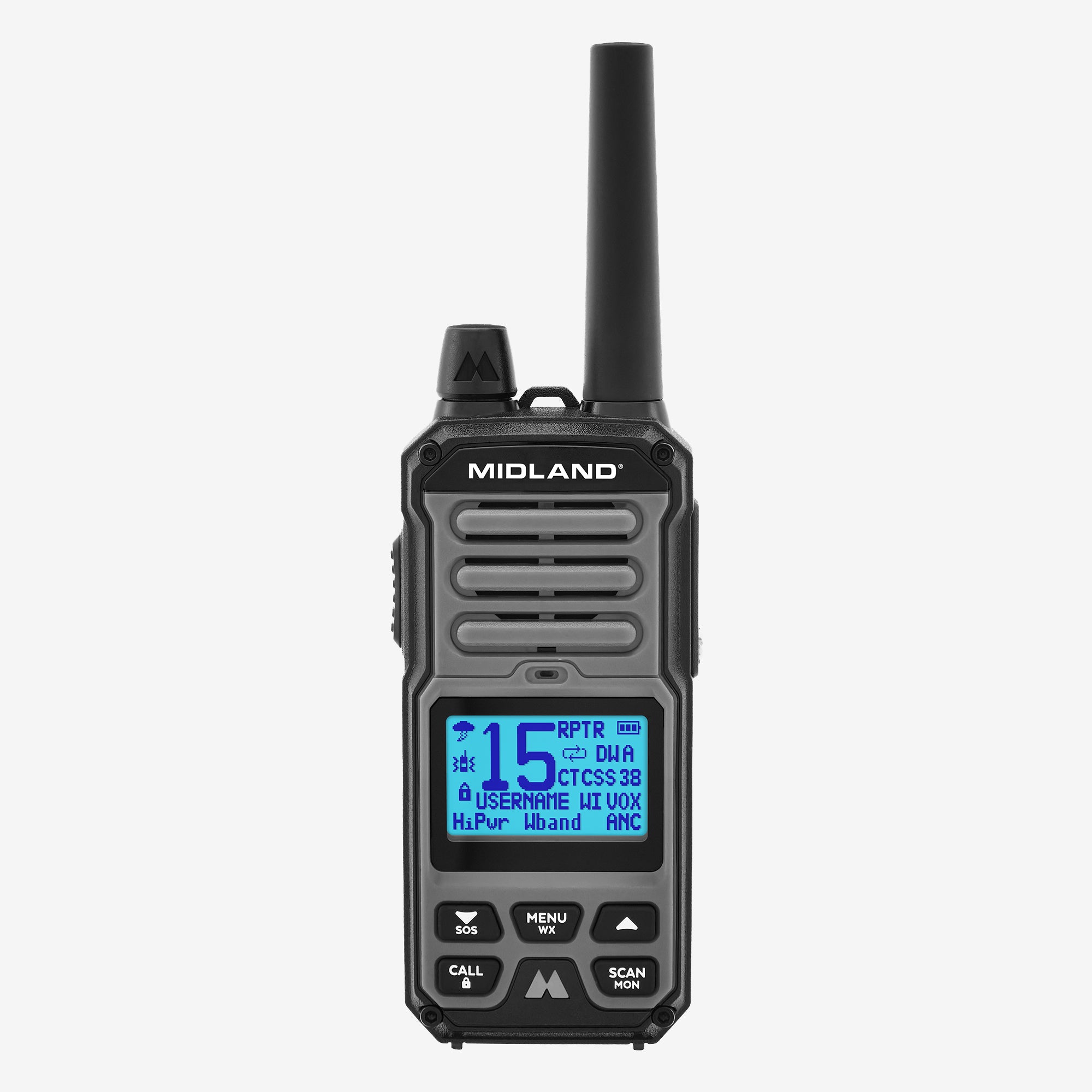
After experimenting with several radios, Smith eventually connected with Midland and began using the Midland GXT67PRO 5-Watt GMRS Walkie Talkie.
Designed for outdoor environments, the radio offers features that align perfectly with the needs of kayak anglers.
"One of the biggest things for kayak fishing is waterproofing," Smith says. "Everyone eventually drops something in the water."
The GXT67PRO's waterproof rating means anglers don't have to worry about losing communication if their gear takes an unexpected dip.
"The biggest thing for me is knowing I can drop the radio in the water and still keep using it," he says.
The power and clarity of the radio also matter when fishing large lakes or navigating areas with heavy tree cover.
"A 5-Watt GMRS walkie talkie gives you the power you need to communicate clearly even when you're far apart on the water," Smith explains.
That extra range allows Smith and his fishing partners to spread out across a lake while still staying connected.
Another feature he appreciates is the sturdy belt clip, which allows the radio to attach directly to his personal flotation device (PFD).
"I keep it clipped right to my PFD so it's always close to my ear," Smith says. "That way I can hear everything clearly without digging through gear."
For anglers who spend hours on the water, having communication tools that are both durable and accessible is critical.

Advocating for Safer Kayak Fishing
As Smith continues competing and exploring new waters, he's also become an advocate for improving safety in the sport.
Kayak fishing tournaments and recreational outings are becoming more common each year, but many anglers still underestimate the importance of communication tools.
"There are required safety items like a paddle, a PFD, and a whistle," Smith said. "But I really believe a 5-Watt GMRS walkie talkie should be just as essential."
In some cases, radios could help anglers call for help quickly if something goes wrong.
"Every year there are stories about anglers getting lost or running into trouble," he says. "Having a radio could give someone the ability to call for help when they need it most."
Smith worked with tournament organizers to allow the use of GMRS two-way radios for safety during competitions.
"My goal is to help normalize radios in the kayak fishing community," he says.
Staying Connected on the Water
Kayak fishing offers incredible freedom and adventure, but it also requires preparation.
From changing weather conditions to navigating remote lakes, communication plays a critical role in staying safe and connected.
For Smith, carrying a 5-Watt GMRS walkie talkie has become just as routine as bringing fishing gear.
"My hope is that one day carrying a radio will be as normal as wearing a life jacket when you go kayak fishing," he says.
And for anglers exploring remote waters, that extra layer of communication could make all the difference.

Share:
Nebraska Farmer on Utilizing GMRS Two-Way Radios Over CB Radios
Longtime MicroMobile User Reviews MXT115P PRO 15-Watt GMRS Radio