

What is a weather alert radio? It's simple. A weather alert radio can save your life. Depending on the circumstances, a weather band radio may or may not. Not all weather radios are created equally or function in the same way. It's important to know the differences between weather band and weather alert radios before deciding on the right brand and model for your lifestyle, home and office. Make sure your weather radio has the features you'll need to not only receive the alert, but also make sure you hear or see it.
All weather radios use the NOAA Weather Radio Network
The National Oceanic and Atmospheric Administration (NOAA) does not manufacture weather radios. However, NOAA operates the transmitter network and allows manufacturers to use its name on qualified weather radios that receive its emergency broadcast signal. NOAA Weather Radio (NWR) broadcasts warnings and post-event information for all types of hazards including severe weather, natural, technological and national emergencies.
All weather radios in the U.S. will pick up the NWR signal, but only those marked with the NOAA logo have been officially tested by NOAA. The NOAA logo is on all of Midland's weather alert radios.
Since all weather radios receive the same broadcast information from NOAA, there are only two types from which to choose: weather radios (also called weather band radios) or weather alert radios. All Midland weather radios are weather ALERT radios.
Weather alert radios automatically receive warnings; weather radios must be turned on
A weather alert radio automatically responds when it receives an emergency alert, even if you aren't listening to it. To receive alerts, a weather band radio must be turned on, like when you're listening to music, and tuned to the local weather station. In other words, unless the power is on and it's tuned to a local weather station, a weather band radio does nothing to warn you when an alert is issued.
Chances are you don't sleep listening to the radio or have it blaring at high volume, so a weather band radio cannot wake you up when an alert—like a tornado warning—is issued in the middle of the night. Nighttime weather emergencies are particularly deadly and dangerous since alerts can go unheard.
A weather alert radio will automatically override other radio functions when it receives an alert. For example, if your weather alert radio features AM/FM tuning, it will interrupt station programming and temporarily switch to the NOAA channel.
Which Midland weather alert radio is right for you?
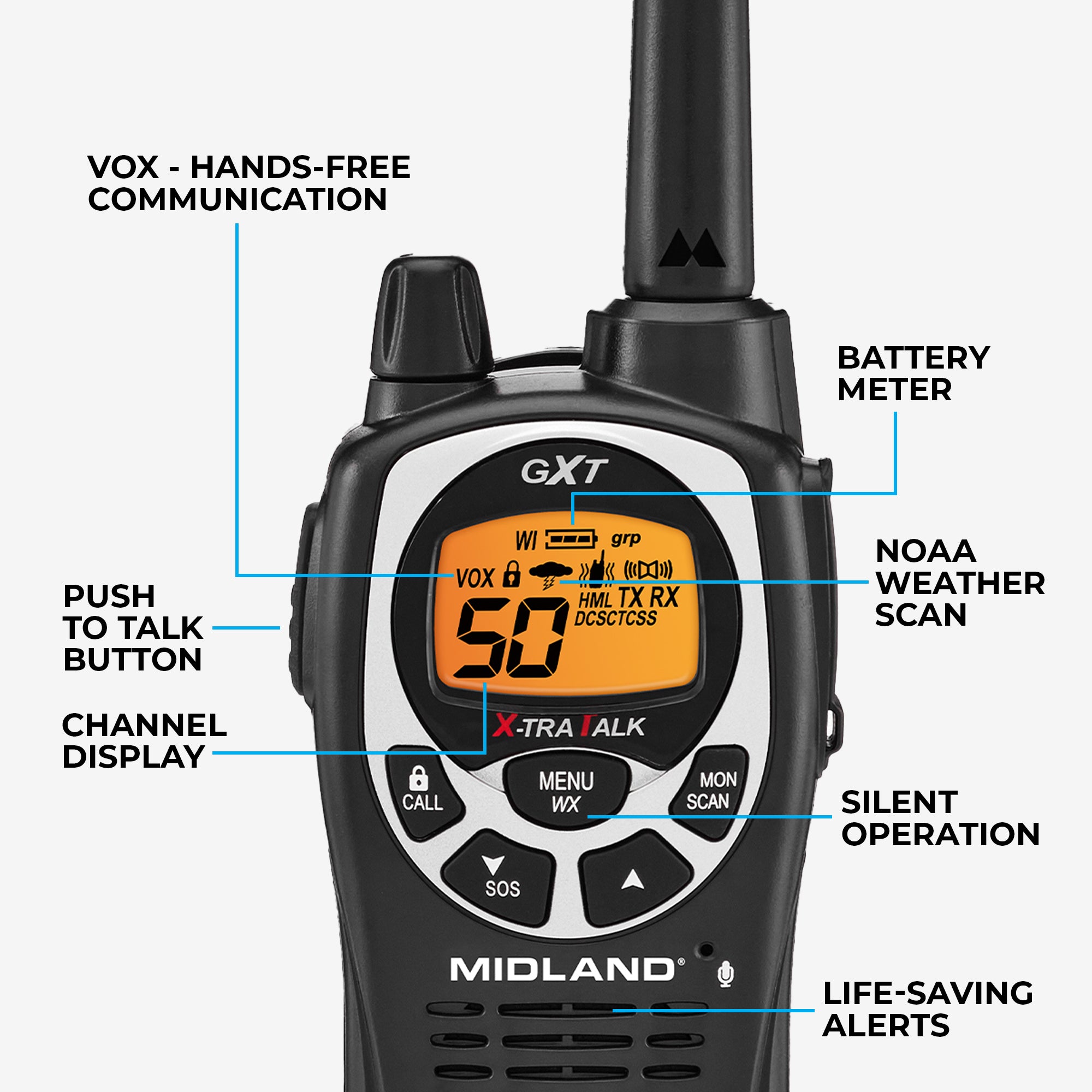
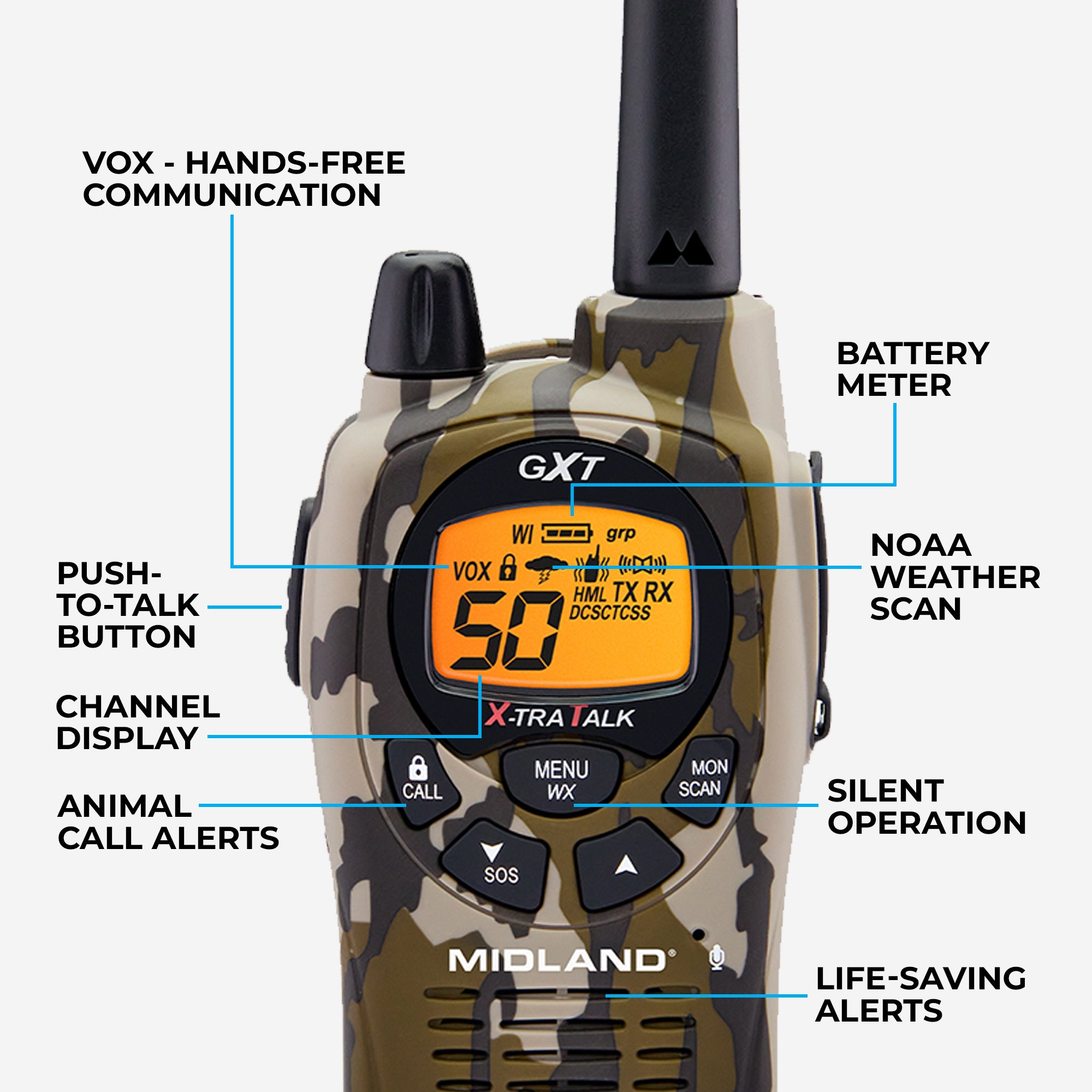
Every single Midland weather radio will alert when the National Weather Service issues advisories for severe weather or other emergencies. Some weather alert radio models allow you to choose the alert method, such as an audible sound or a flashing light. Keep any hearing or visual impairments, as well as heavy sleeping patterns, in mind when you select your weather alert radio.
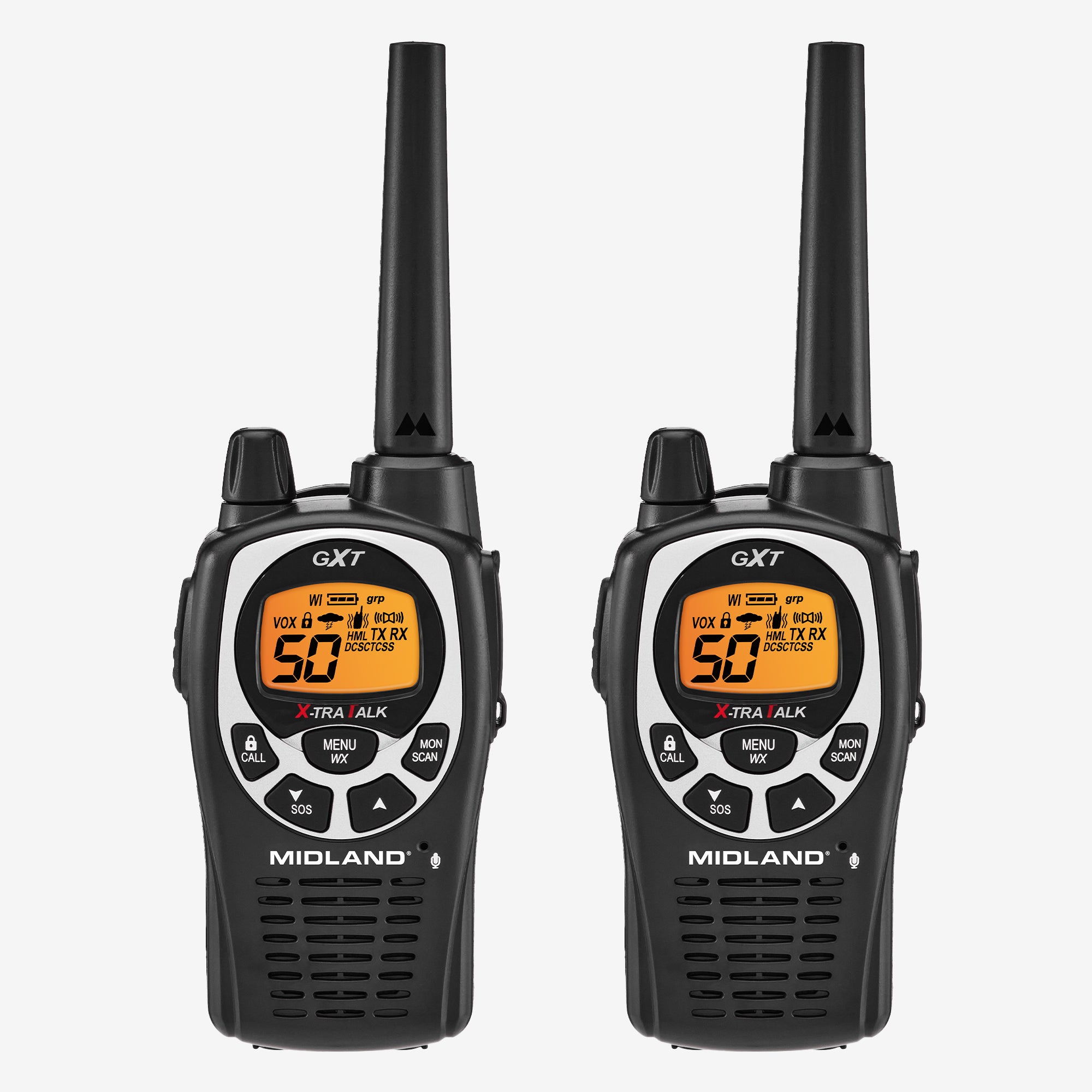
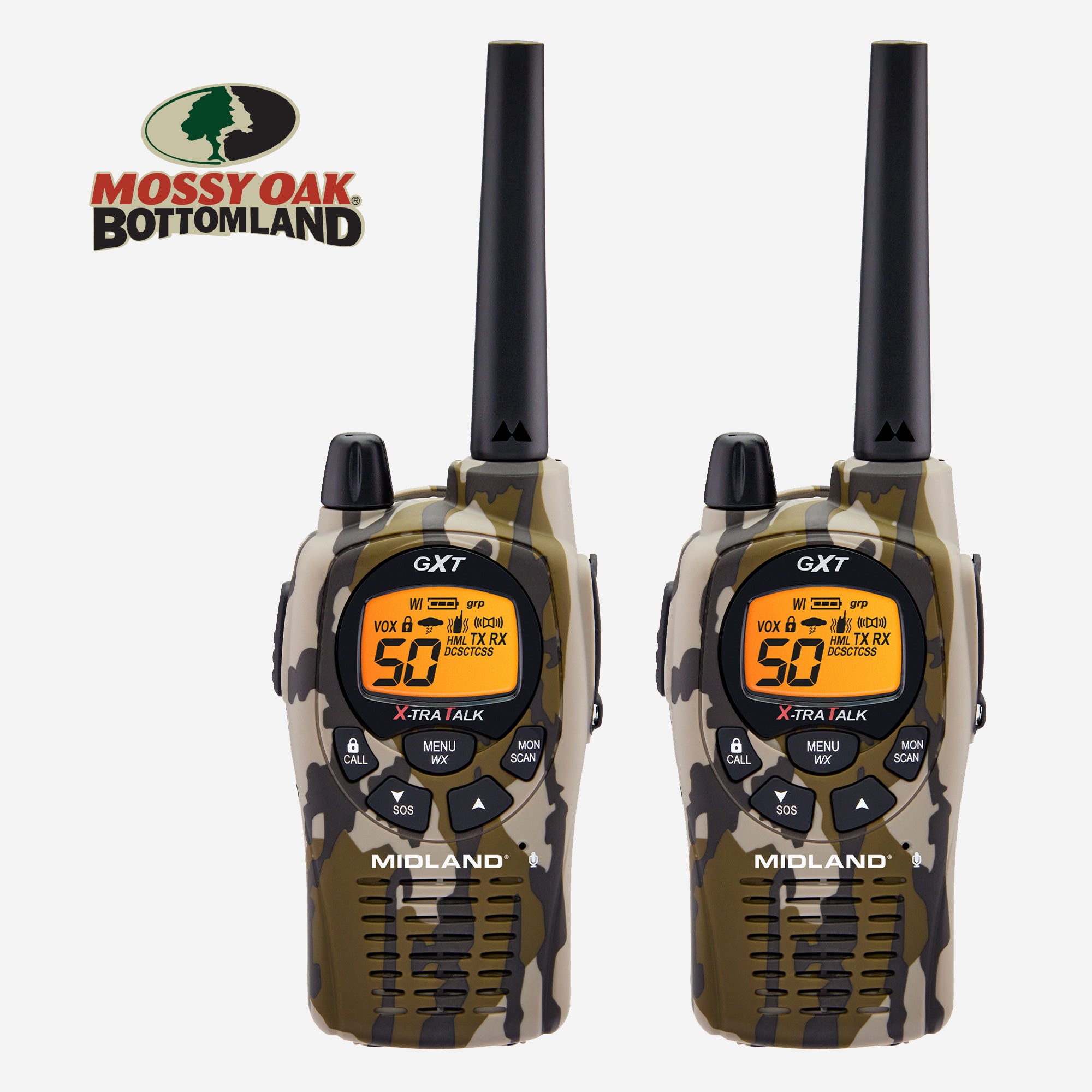
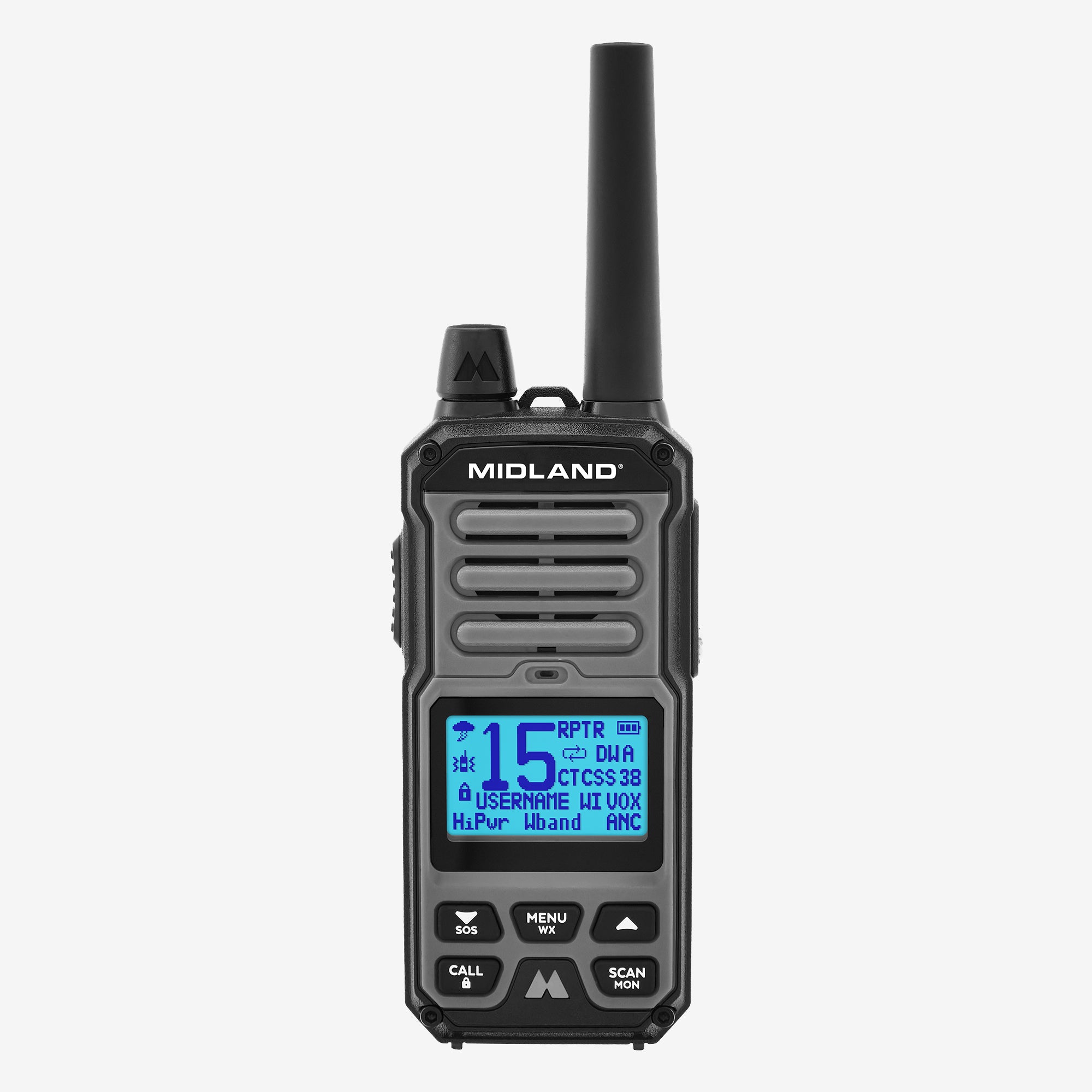
Some of our weather alert radios are perfect for home or office use, while our portable models can be taken on the road. Midland weather radios are available in desktop and emergency crank too. Weather radio accessories, like a strobe light, provide visual alerts for the hearing or seeing impaired.
You can compare up to three Midland weather alert radios at a time. Just click the "Compare" button on each product page, then "View Comparisons" to see weather radio product information charts side by side.


Share:
Weather alert radio vs. cell phone
Severe Weather Impacts Everyone