

Understanding AM and FM Radio Modulation
If you own a radio, you've probably heard the terms AM and FM before. These are methods of modulating (modifying) radio waves to transmit information wirelessly, allowing you to listen to your favorite talk show or music station. But what do AM and FM stand for?
Modulation
To transmit audio or data, it's necessary to encode this information in a carrier wave. The carrier wave acts as a vehicle for the information or input signal, allowing it to transmit the information so that a radio receiver can accept and decode (demodulate). When the carrier signal contacts the receiver's antenna, it causes the antenna to oscillate.
What Do AM and FM Stand for?
AM and FM are different methods of modulating, or encoding, a carrier wave with information to transmit to a radio receiver. AM stands for amplitude modulation. In this modulation method, the information (audio waves or digital data) is transmitted in variations in the amplitude of the carrier wave. The amplitude is the height or strength of the radio waves. In practice, you'll notice that when you change stations, you tend to hear more static with AM radio. That's a result of the varying amplitude.
FM stands for frequency modulation. Unlike AM, in an FM radio broadcast, the information is transmitted in variations in the carrier wave frequency. Amplitude may also change, but it's minimal by comparison. Radio frequency (RF) is the rate at which electromagnetic radio waves oscillate. RF is measured in hertz, which is the number of radio cycles per second.
Pros and Cons of Both
The primary advantages of amplitude modulation are that it allows you to transmit radio waves over long distances and is less expensive. Since AM radio has a comparatively low bandwidth, more stations are available in a given frequency range. AM radio broadcasts also require less complex equipment to receive and decode, increasing the ease with which a radio receiver can detect an AM signal.
The primary advantage of FM is that it has a higher signal-to-noise ratio; therefore, FM is less susceptible to radio-frequency interference, such as that caused by electrical storms. This results in less audible static or noise than an AM signal of equal power. The higher audio quality of FM is the reason it has become the standard for broadcasting music. This high audio quality also requires higher bandwidth.
Commercial Two-Way AM/FM Radios

The WR300 is a specialized weather-alert radio. Featuring 23 programmable counties and an AM/FM radio with 6 memory channels, the WR300 also provides a useful alert override. You can also customize your alert settings via the programmable siren level; simply select the most comfortable volume for you. In a weather emergency, such as a tornado, the WR300 automatically switches to AM/FM radio. The WR300 uses 4 AA alkaline batteries for backup power.
AM vs. FM
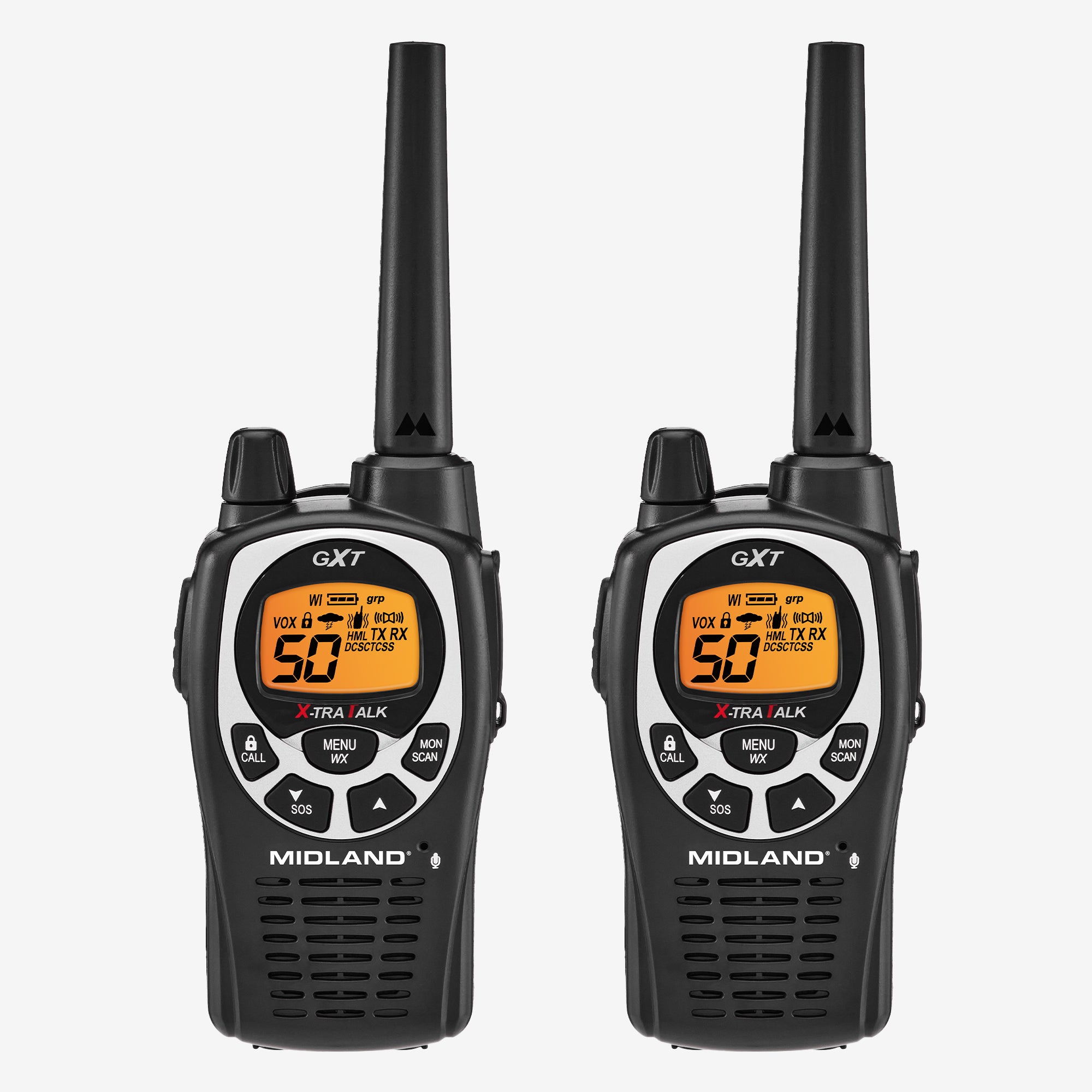
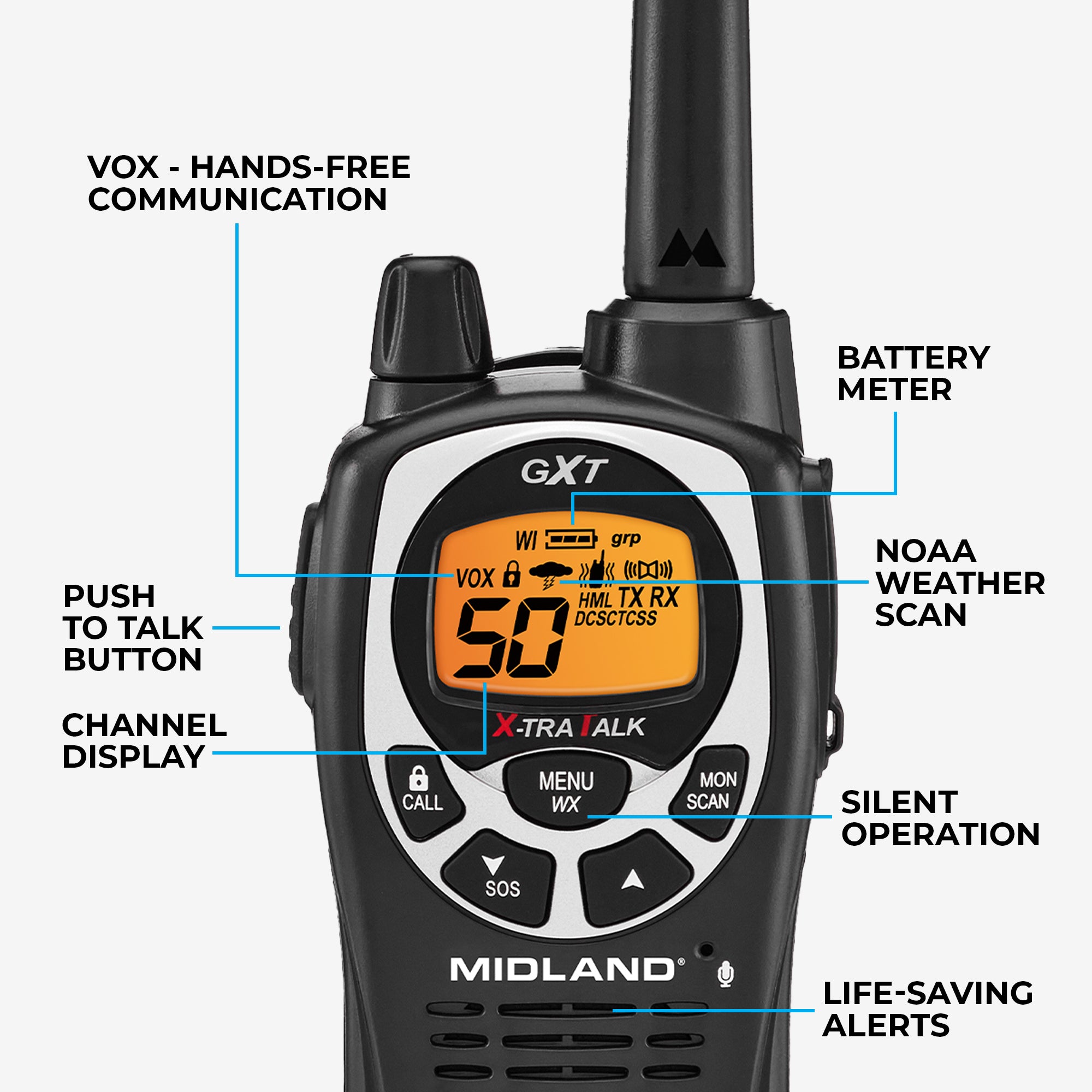
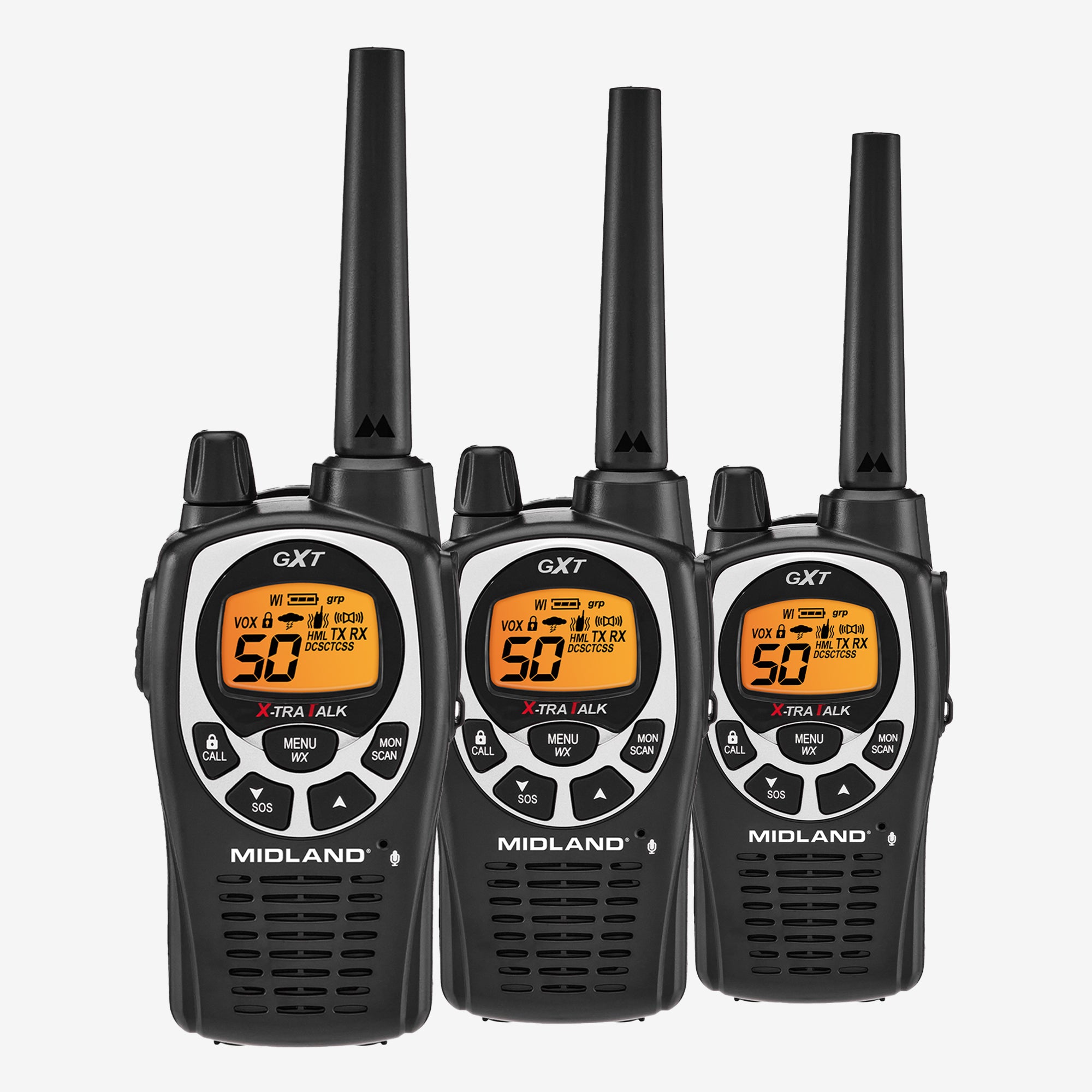
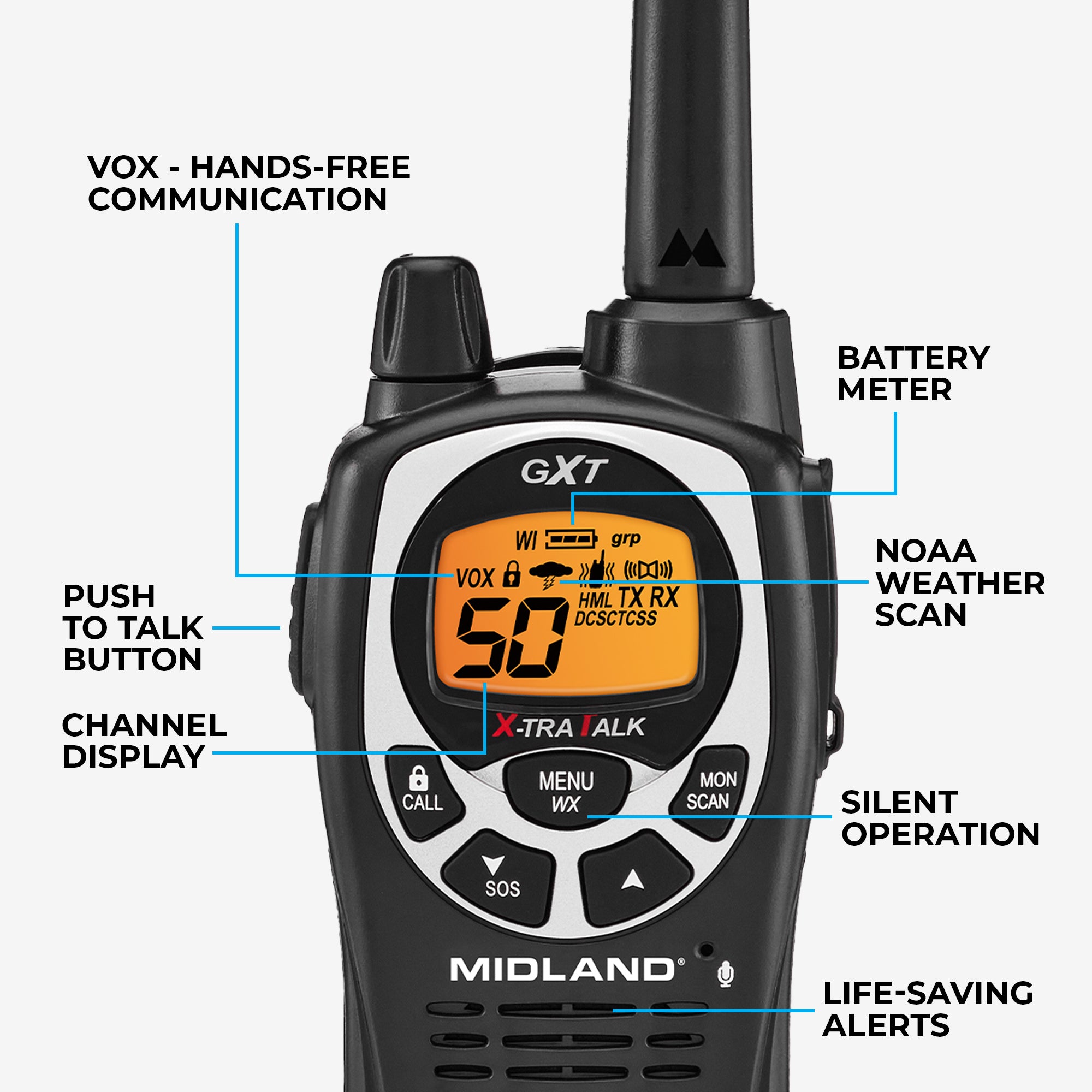
AM and FM are both useful ways of transmitting information via electromagnetic radio waves. At Midland, we manufacture various AM/FM emergency portable radios for all lifestyles, locales, and industries. For over 50 years, we have played a critical role in providing cutting-edge two-way radio systems to our customers. Today, we are a leading supplier headquartered in the heart of Kansas City.



Share:
Midland Partners with E3 Association
Communication Plays Role in Keeping Your Trick-Or-Treaters Safe