

NOAA Weather Radio transmitter KWO35 is back on the air in New York City. Broadcasting from the 81st story of the iconic Empire State Building, this signal serves almost 15 million people on land and water, delivering official National Weather Service and emergency management information instantaneously to an unlimited number of receivers. Isn’t NOAA Weather Radio just for use in Tornado Alley? Is there any reason for someone in a major city to have a weather radio? Won’t my cell phone alert me? We don’t get much severe weather here, so why do I need a weather radio? We hear these questions often, so here are our answers:
Isn't NOAA Weather Radio Just for Use in Tornado Alley?
Actually, it’s useful anywhere because every location in America has some form of natural hazard, and we are all at risk during manmade disasters. California suffers wildfires and mudslides, Arizona’s blinding dust storms and torrential flash floods kill drivers every year, and America has more tornadoes than any other location on the planet. In fact, Brooklyn NY was hit by an EF2 tornado on August 8, 2007. It did $20 million in damage.
Is There Any Reason For Someone in a Major City to Have a NOAA Weather Radio?
Yes, because in every major disaster, the cell phone system becomes overloaded and incapable of working as expected. For New Yorkers, Hurricane Sandy exposed the dangers of a major metropolitan area relying on nothing but cell phones for emergency alerting. When this happens, you’ll want to have a Midland NOAA Weather Radio.
Won't My Cell Phone Alert Me?
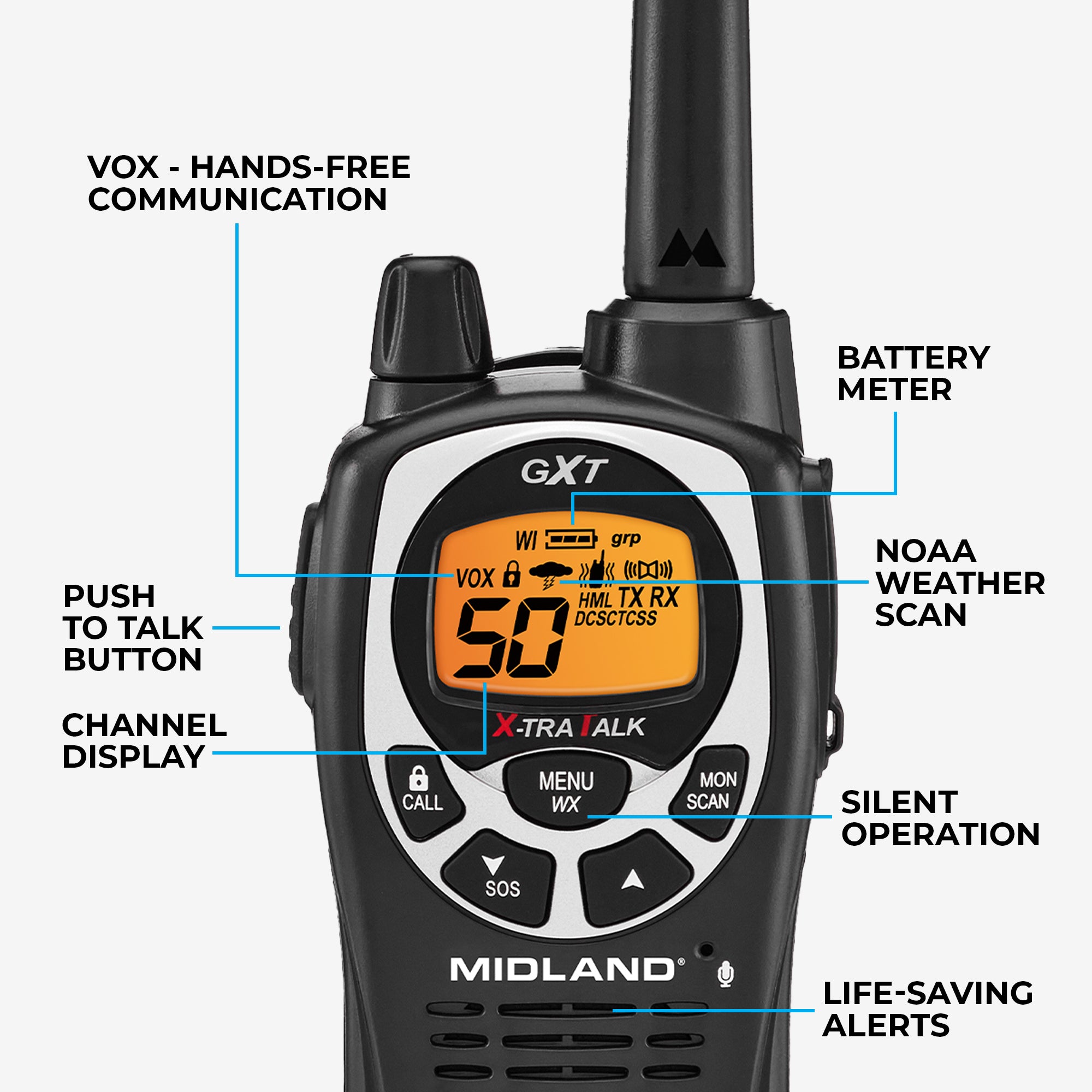
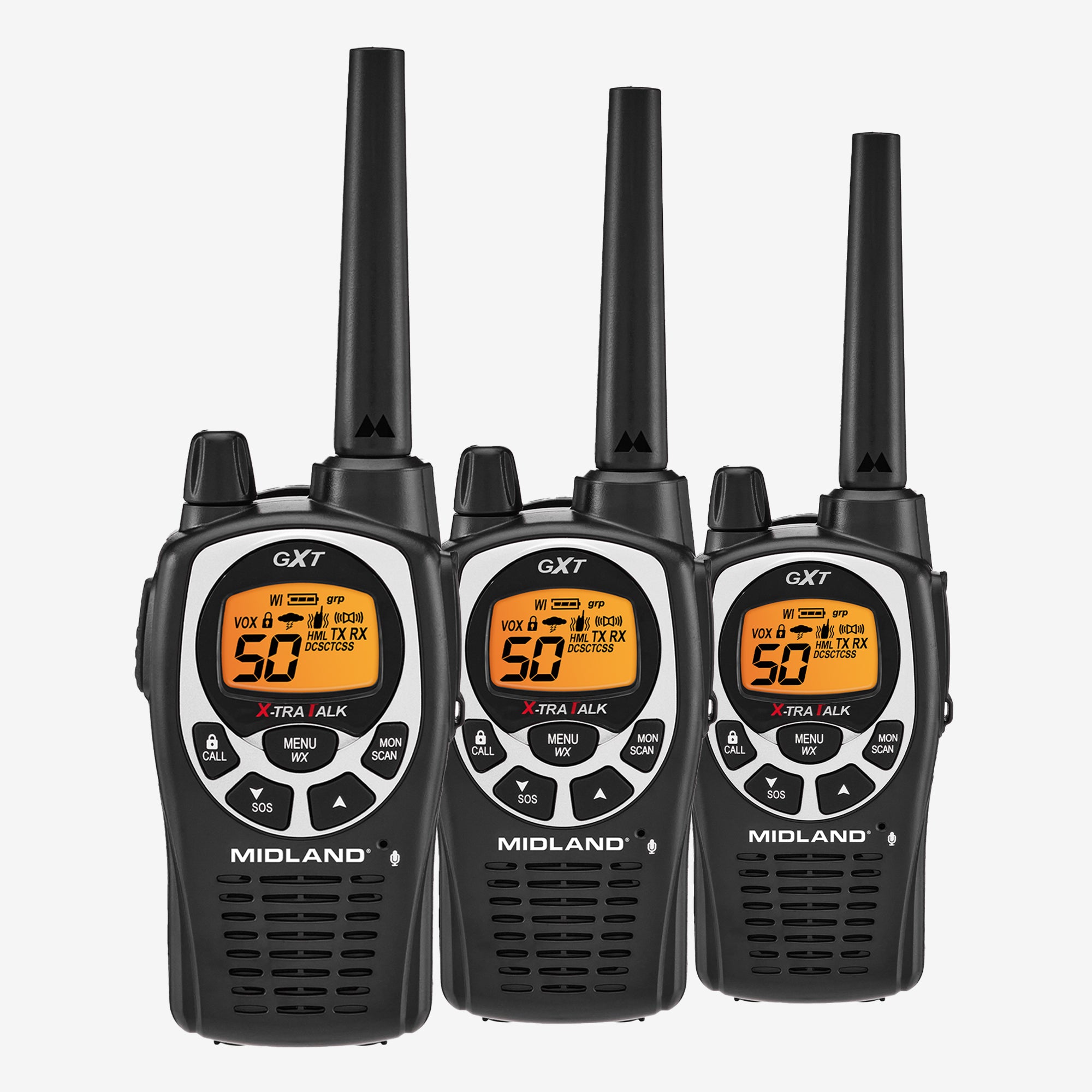
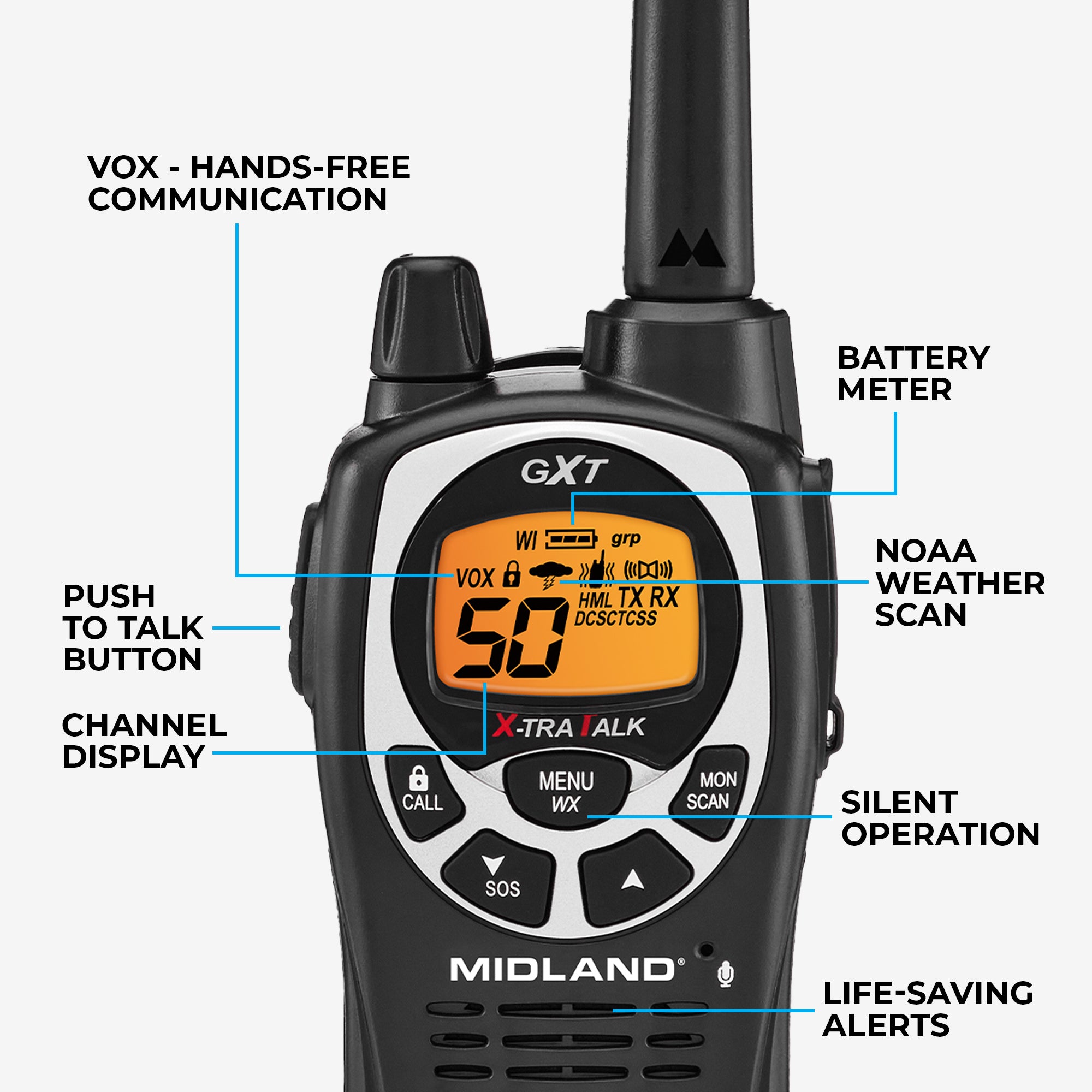
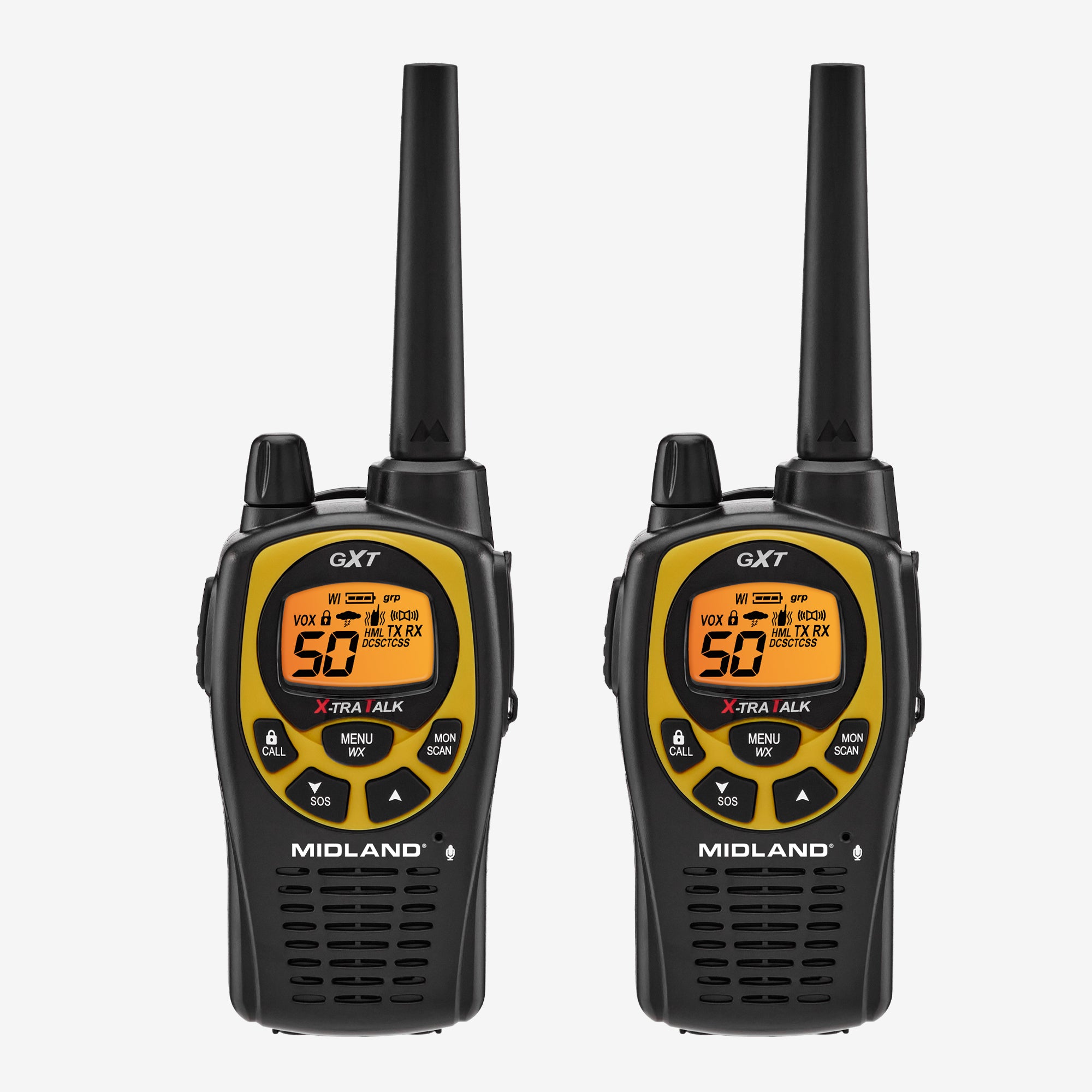
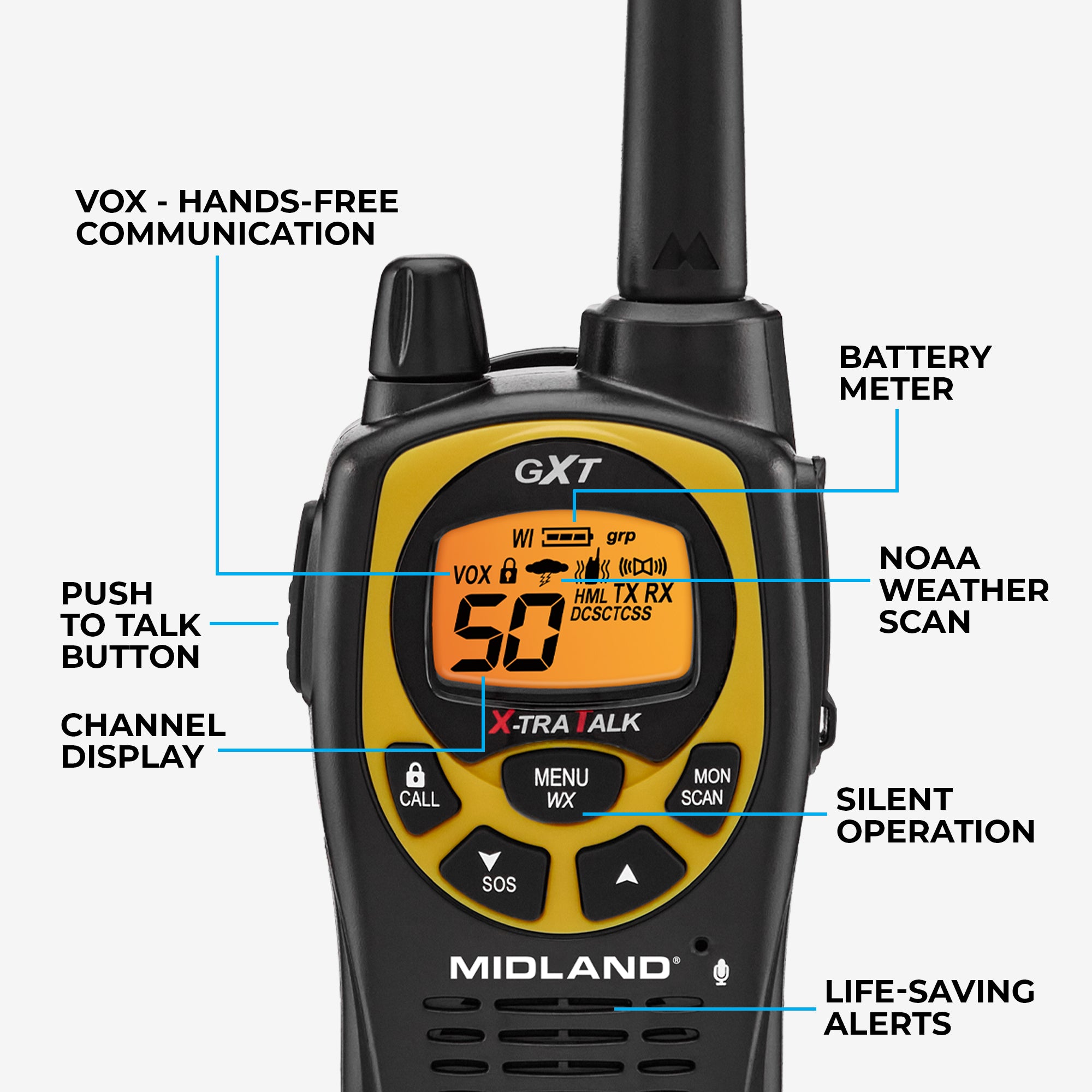
It should. Or it might. Or it might not. Maybe you have your phone on “Do Not Disturb” or perhaps, like many of us, you are so tired of hearing constant dings, rings, beeps and chirps coming from your phone that you no longer respond to it. A NOAA Weather Radio is designed to do one thing: loudly alert you when your life or property is in danger. Place a Midland weather radio in your home and let it silently monitor and protect you. In a natural or a man-made disaster, you’ll receive life-saving information immediately and automatically.
We Don't Get Much Severe Weather Here, So Why Do I Need a Weather Radio?
Severe weather creates natural disasters. The terror attacks of 9/11 created a man-made disaster which, if it occurred today, would simply overwhelm the cell phone system. In fact, in large disasters like earthquakes and wildfires, what little cell phone tower bandwidth is still available is taken over by emergency management, police, and fire. NOAA’s “All Hazards” radio-frequency broadcast alerts you for all hazards, including these man-made events:
- Nuclear Power Plant Warning
- Contaminated Water Warning
- Biological Hazard Warning
- Industrial Fire Warning
- Shelter-in-Place Warning
- Immediate Evacuation Warning
If one of these events happened while you and your family were sleeping, wouldn’t you want to be alerted right away? In emergencies, seconds save lives. Help us make NOAA Weather Radio standard safety equipment in every American home, as common as smoke detectors. It’s peace of mind for just pennies a day.

Share:
Best Walkie Talkies for Photographers
The Best Two-Way Radios for Pilot Cars