

In an average year, America is struck by 1,200 tornadoes. Although the majority of these are weak EF-0 and EF-1 tornadoes, even they can destroy homes, injure and kill. Although rare, the stronger, more violent twisters are responsible for most deaths. So, what are the top six ways tornadoes can kill you?
The Top 6 Ways Tornadoes Can Kill
1) Deadly Debris Missiles
The majority of tornado fatalities are caused by exposure to high-speed debris. In winds of 100, 150, or even 200 miles per hour, the smallest things can become deadly missiles. This photo of the finely ground-up debris from the Parkersburg, Iowa EF-5 tornado shows what makes up the blizzard of deadly items swirling inside a tornado. At over 100 miles per hour, any of these small pieces could cause a fatal head, neck or chest injury. (The quarter was added for size comparisons.)
2) Collapsing Walls and Falling Debris
Wherever you take shelter, including in a basement, always be aware of what may fall on top of you. In a basement, make sure to get underneath something like a heavy table, workbench, or the staircase, to protect against anything falling from above. Concrete masonry unit (CMU) blocks are used in many buildings, but that sturdy-looking “concrete wall” you take shelter against is not as strong as it would appear. Here’s what it looks like when CMU walls fail.
3) Automobiles & Mobile Homes
As the following photos attest, you should not try to survive a tornado in an automobile or a mobile home. Both of these options are easily tipped over, rolled, lofted into the air, or completely destroyed. So, avoid cars and mobile homes, and quickly move to a different shelter spot if at all possible.
4) Large Rooms in Large Buildings
This one might be one of the less intuitive ways that tornadoes can kill, which makes it all that much more important to remember. In places like churches, gymnasiums, and big-box stores, you should immediately exit large open rooms and take shelter in smaller rooms—such as offices and restrooms. Big rooms have big roofs above them, which weigh many tons. You definitely don’t want to be underneath one when it comes down. Deaths occurred at the Goshen, Alabama United Methodist Church when the roof collapsed into the main sanctuary, as seen in the photo below. However, smaller side rooms in the same building remained safe.
5) Nocturnal Events
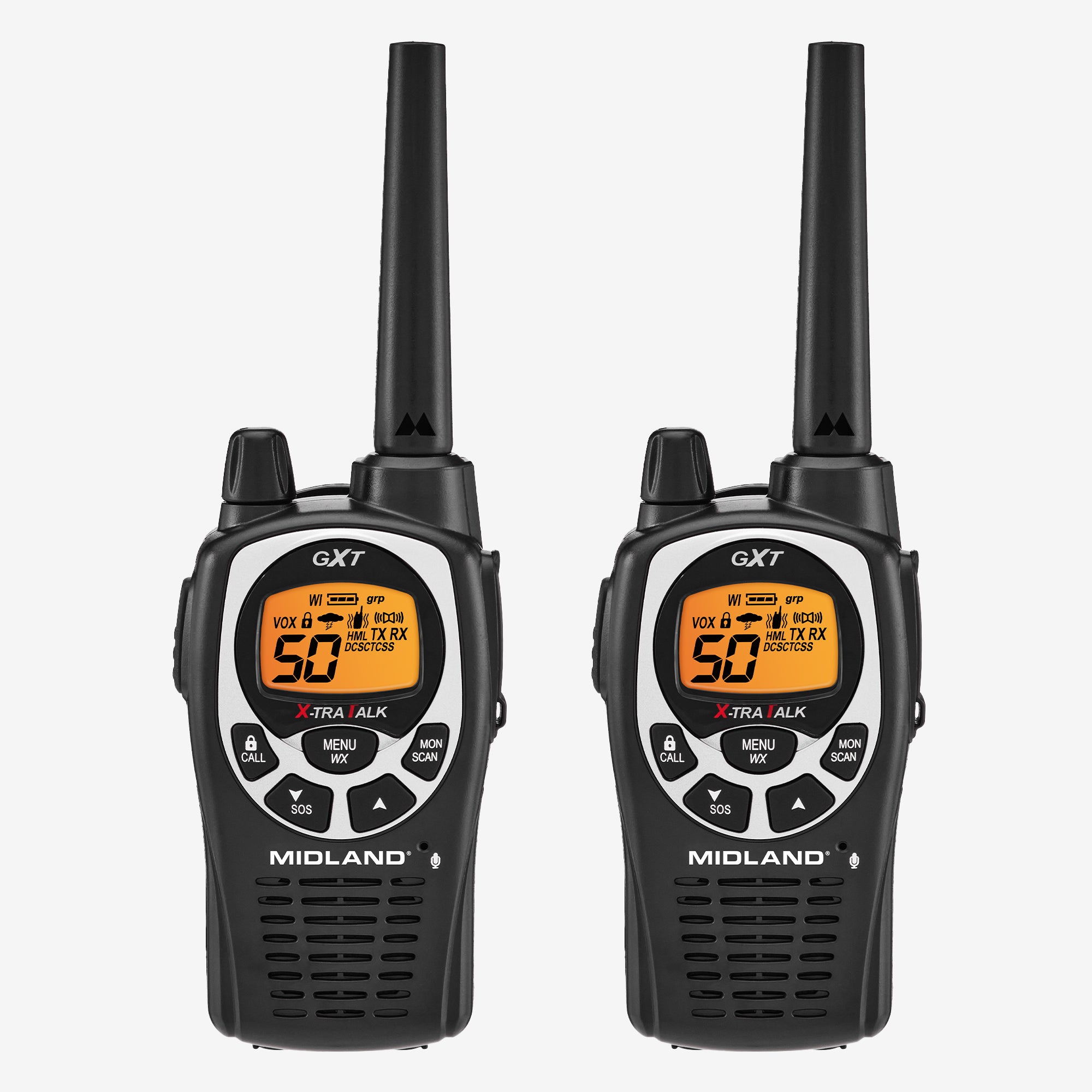
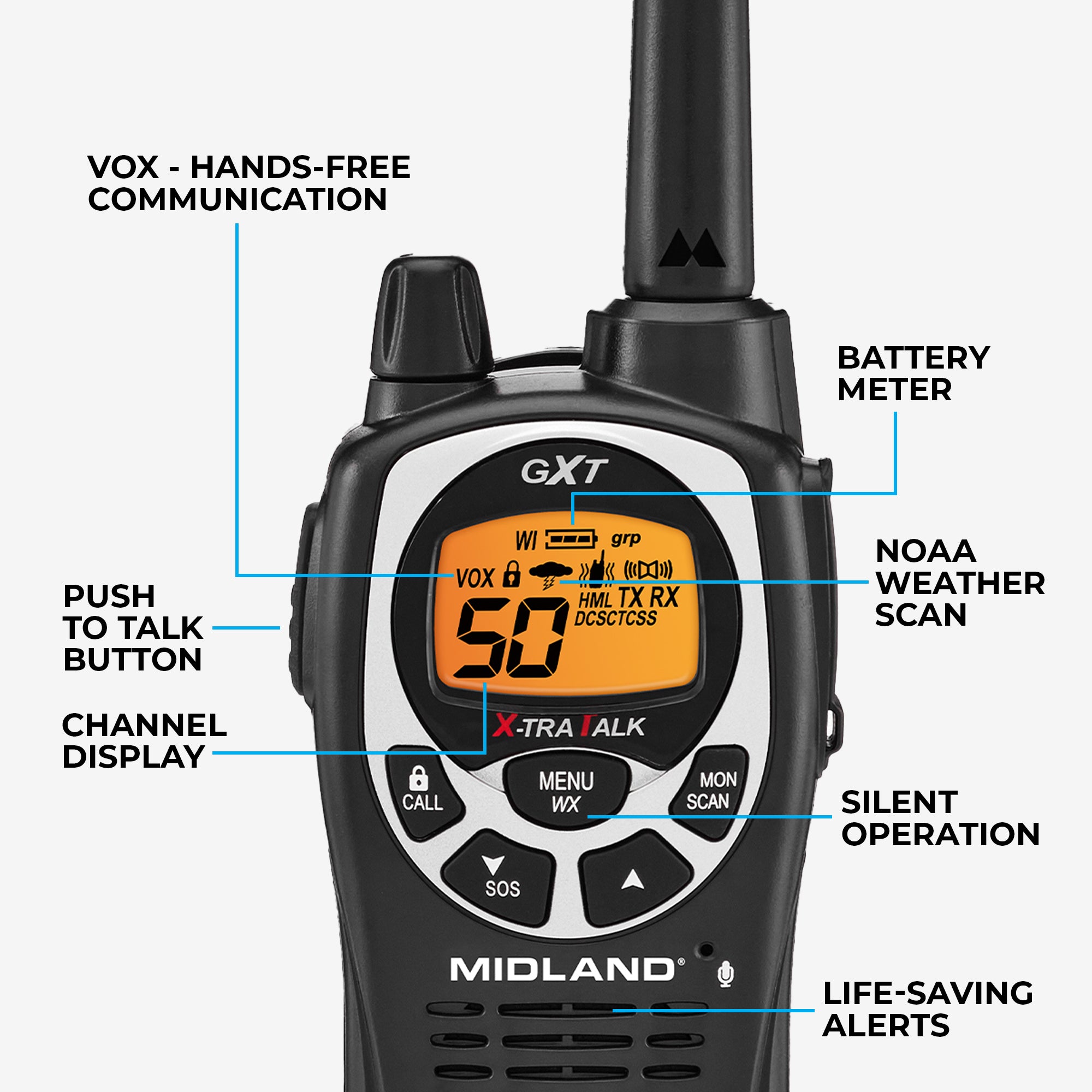
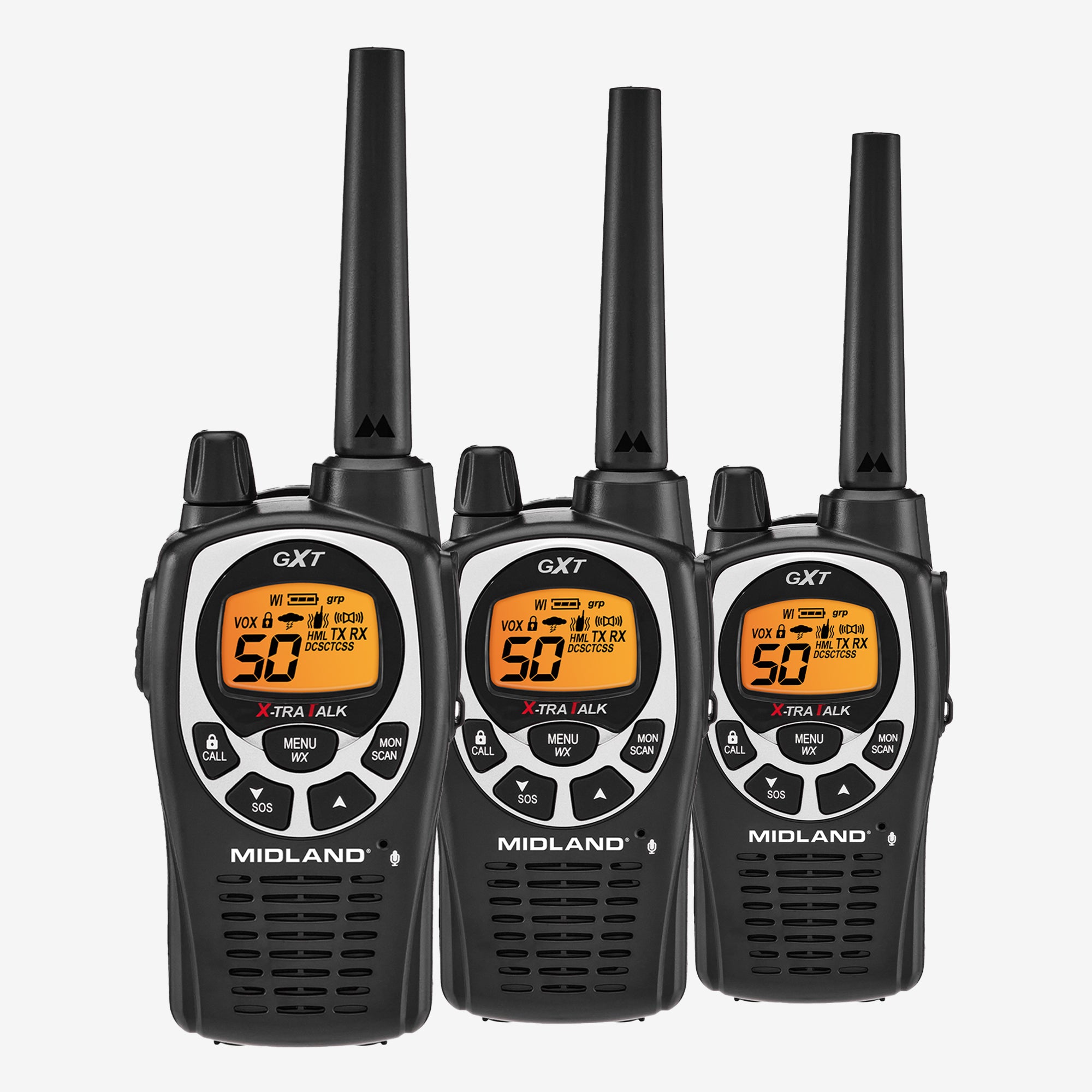
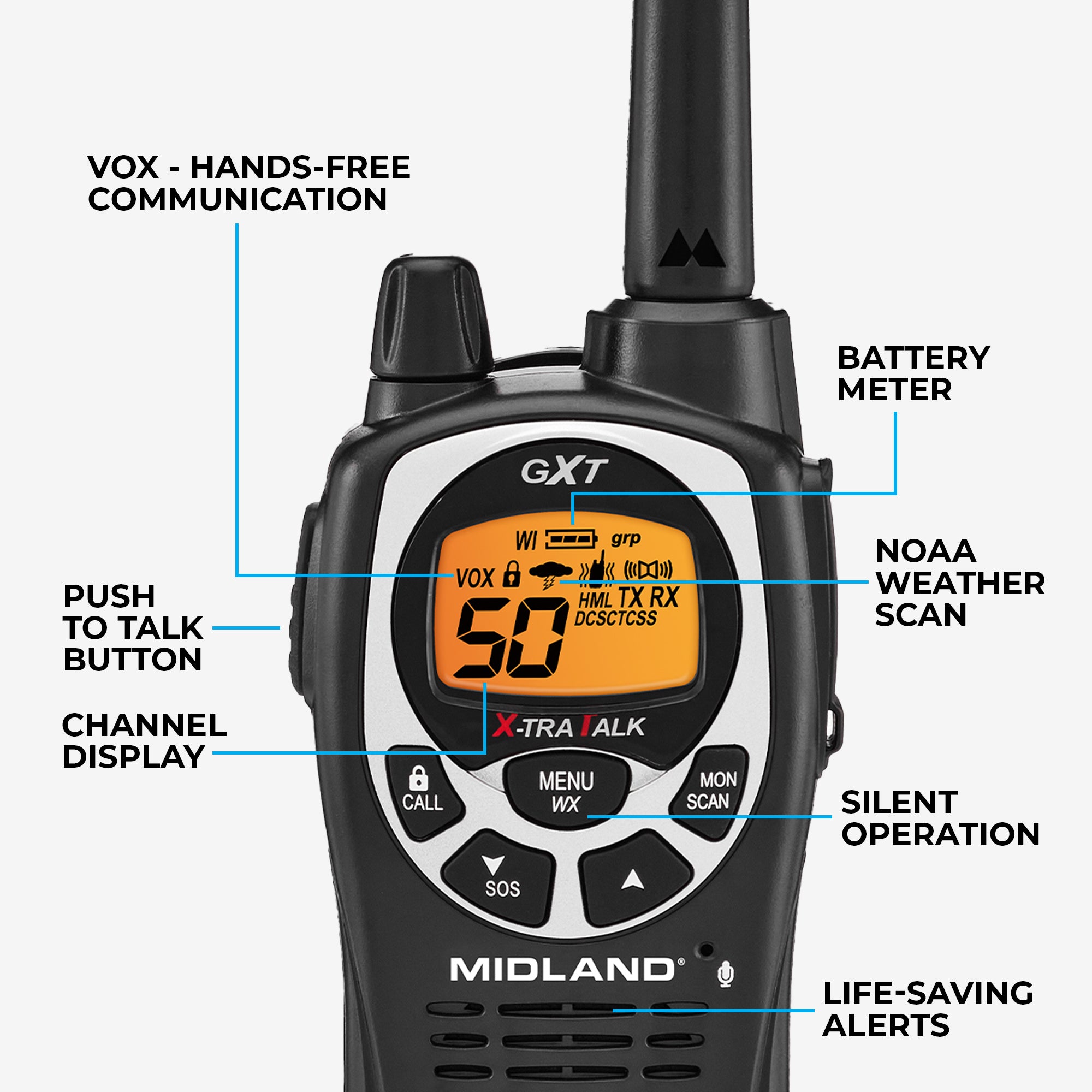
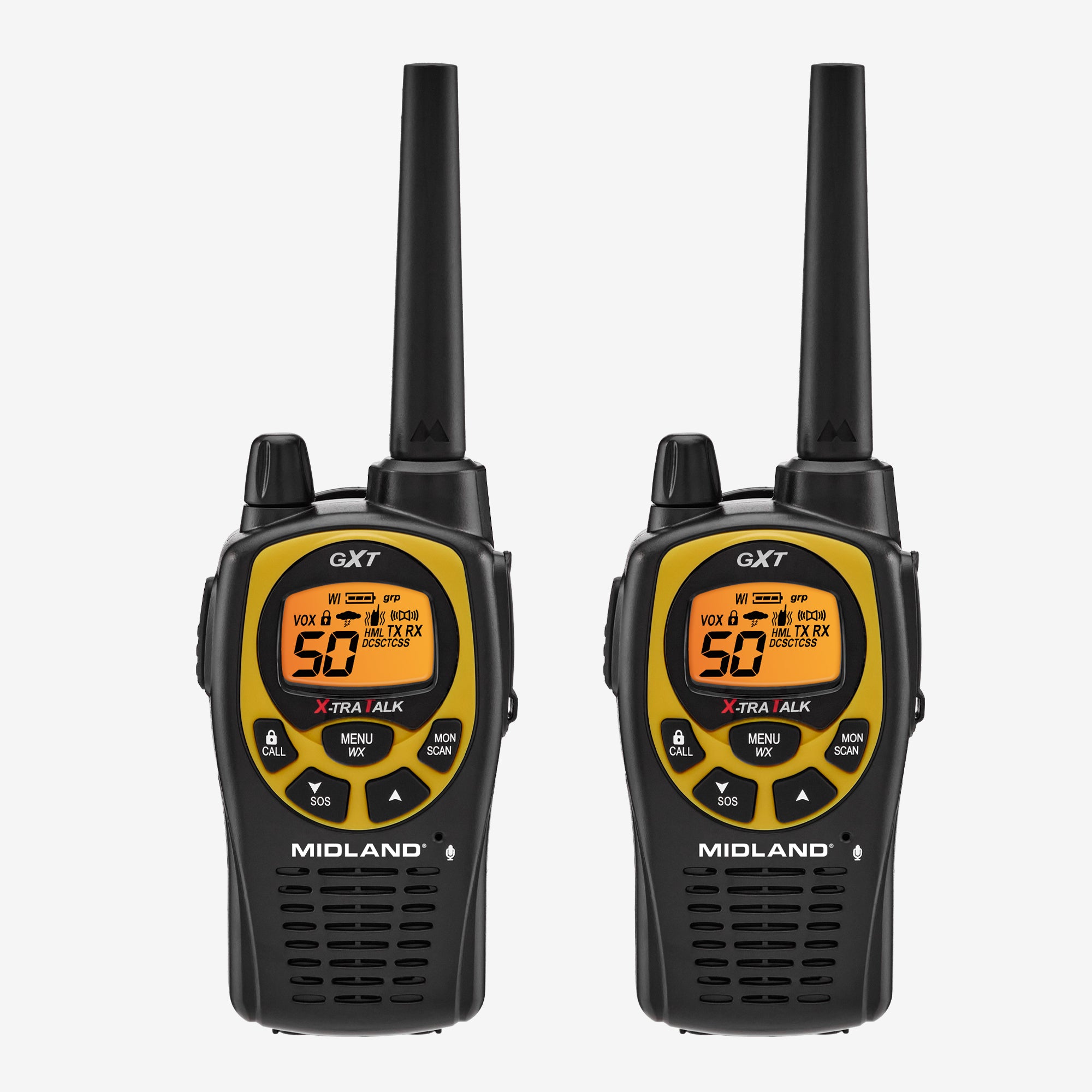
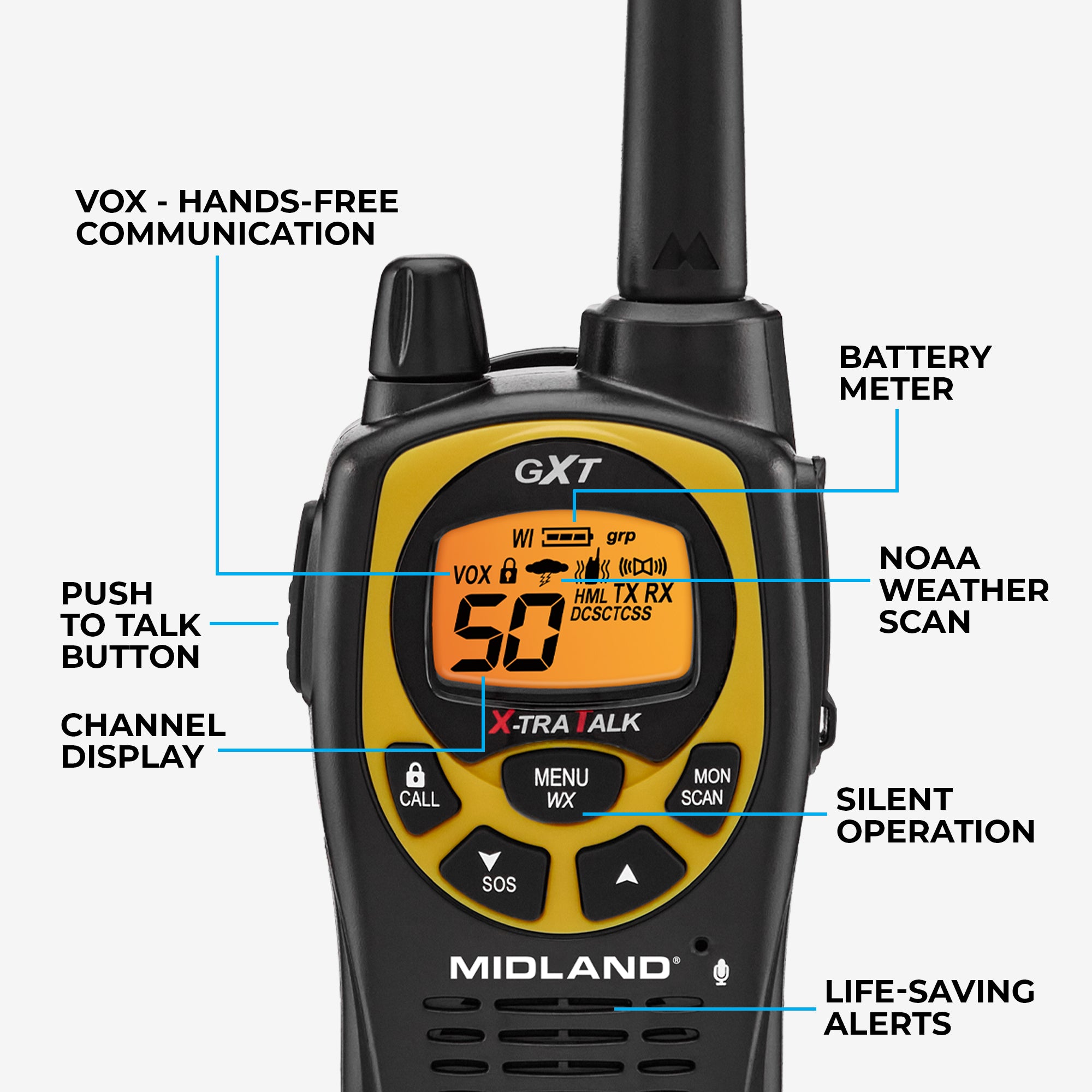
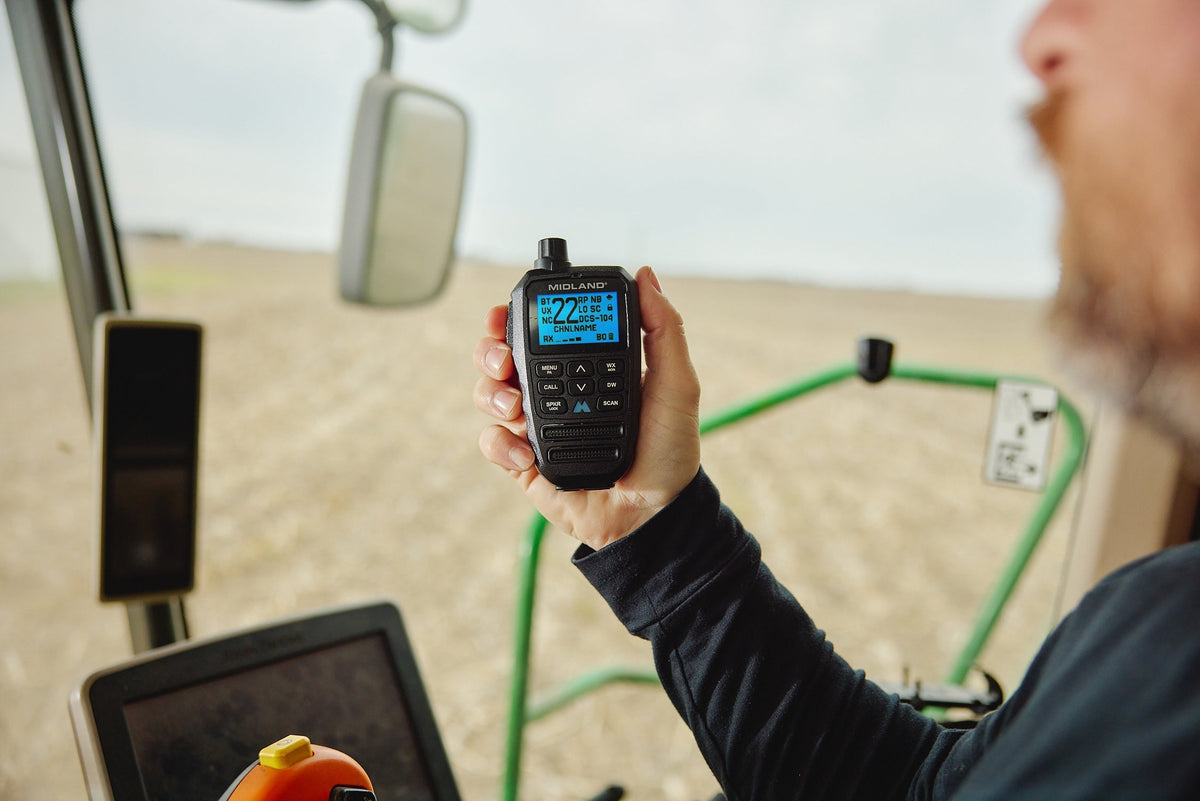
Many fatalities are caused by tornadoes that strike in the middle of the night. When you’re asleep, you must have a device that will wake you in time to get your family to shelter. With an average lead time of 13 minutes, an NOAA Weather Radio will immediately alert you of tornado warnings that can save your life.
6) Stronger Tornadoes are More Deadly
Although they comprise only 1% of all US tornadoes, violent EF-4 and EF-5 tornadoes are responsible for the majority of deaths. During these tornadoes, your safest place is in a storm shelter or in your basement, underneath a piece of heavy furniture. And always…ALWAYS have more than one way of receiving warnings. Cell phones are okay, but an NOAA Weather Radio is the fastest, most reliable method of saving lives.

Share:
What is a Tornado Emergency?
A Weather "Watch" Has Just Been Issued - What Should I Do?