

We receive many questions on the new FCC changes, what they mean for Midland Radios, and what they mean for our consumers. Below are the top takeaways from these recent changes. What you will notice is that not much has changed, these rules have basically just been updated to fit modern radio usage.
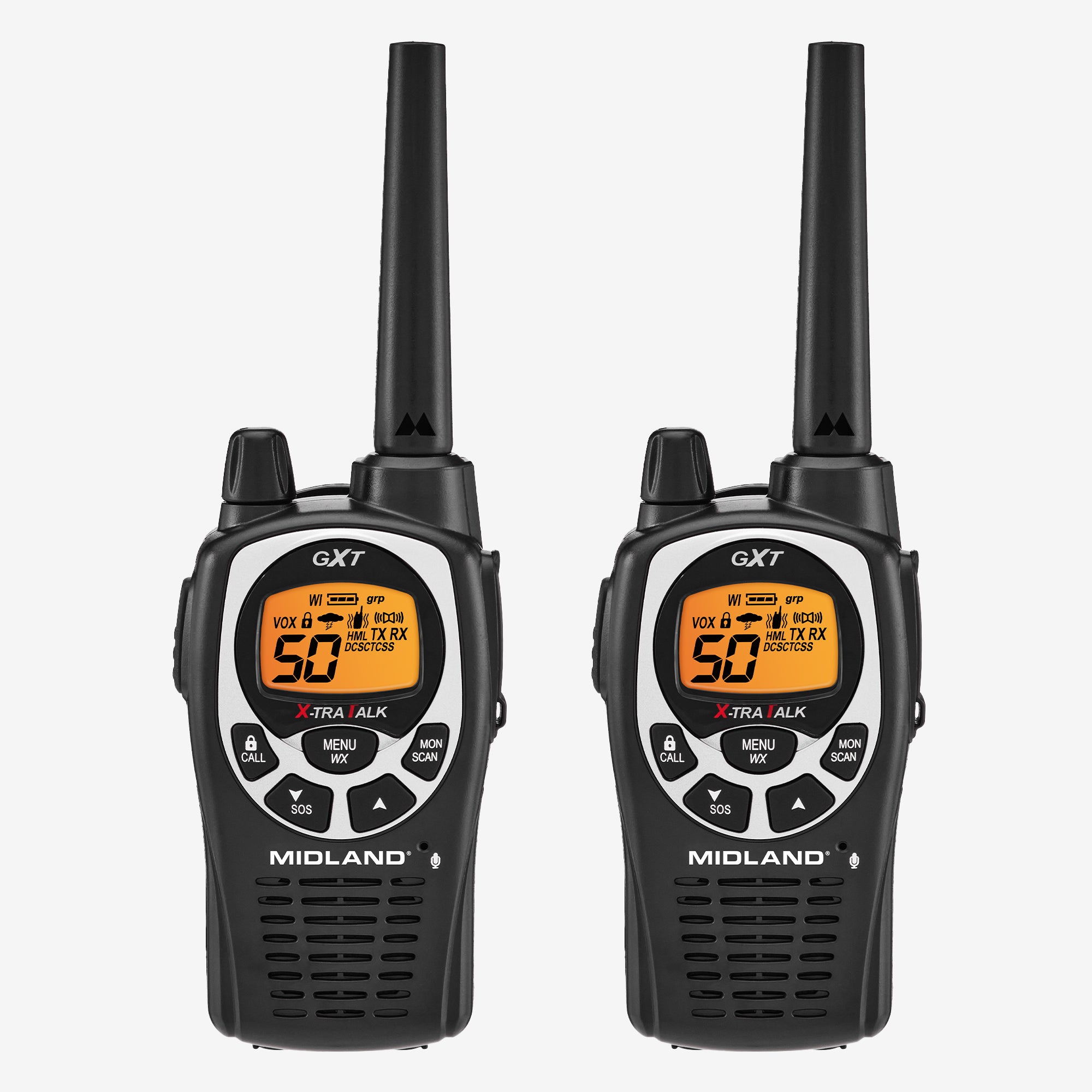
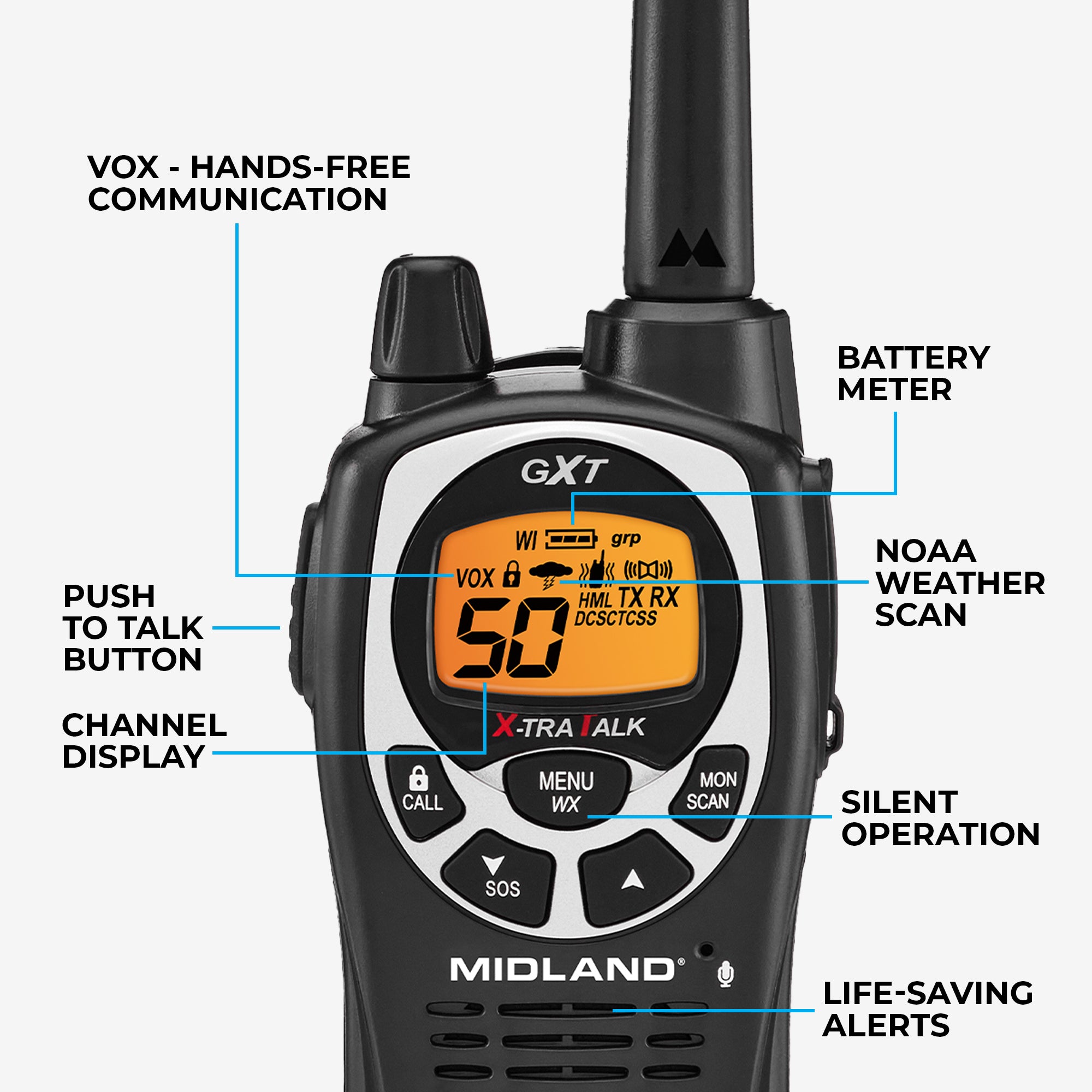
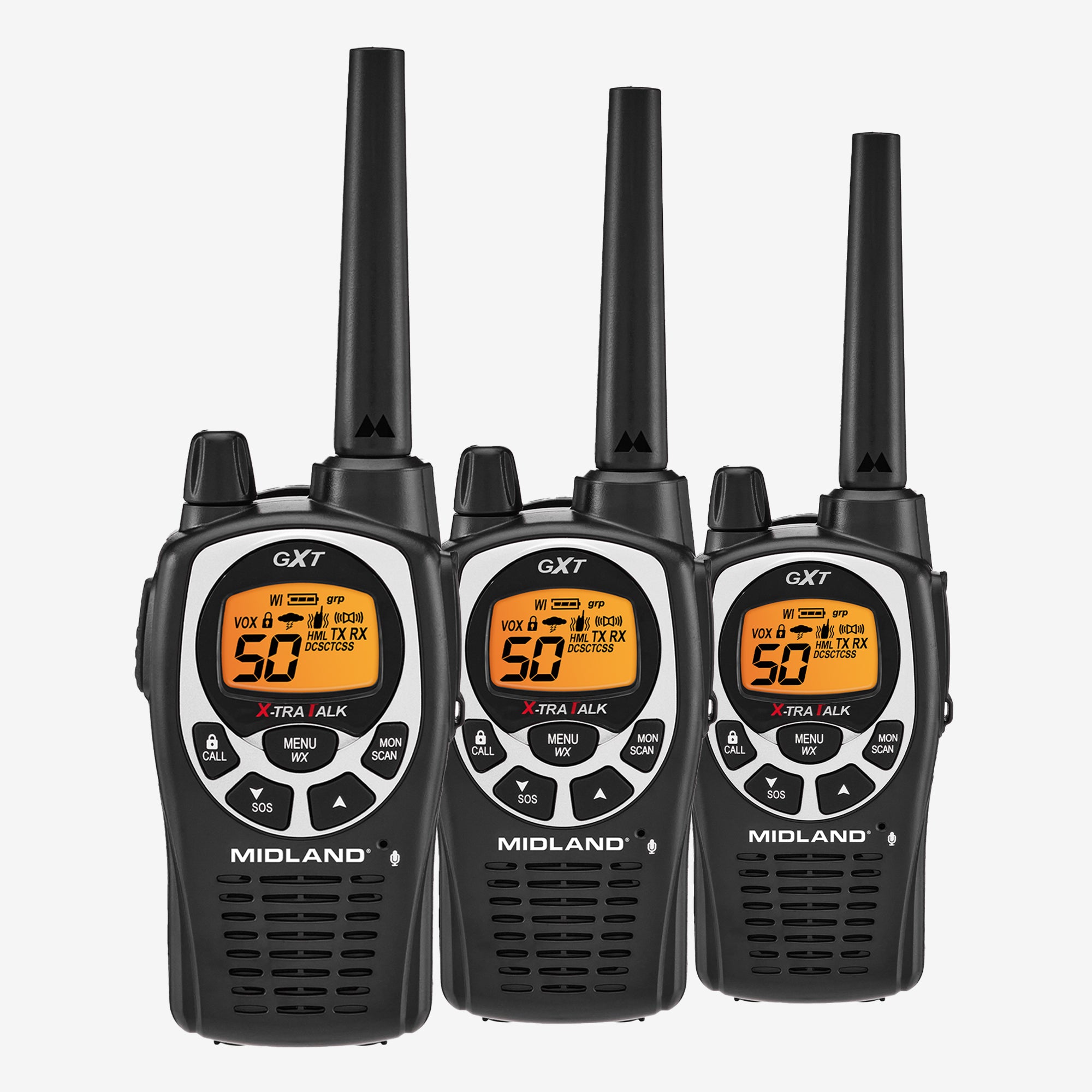
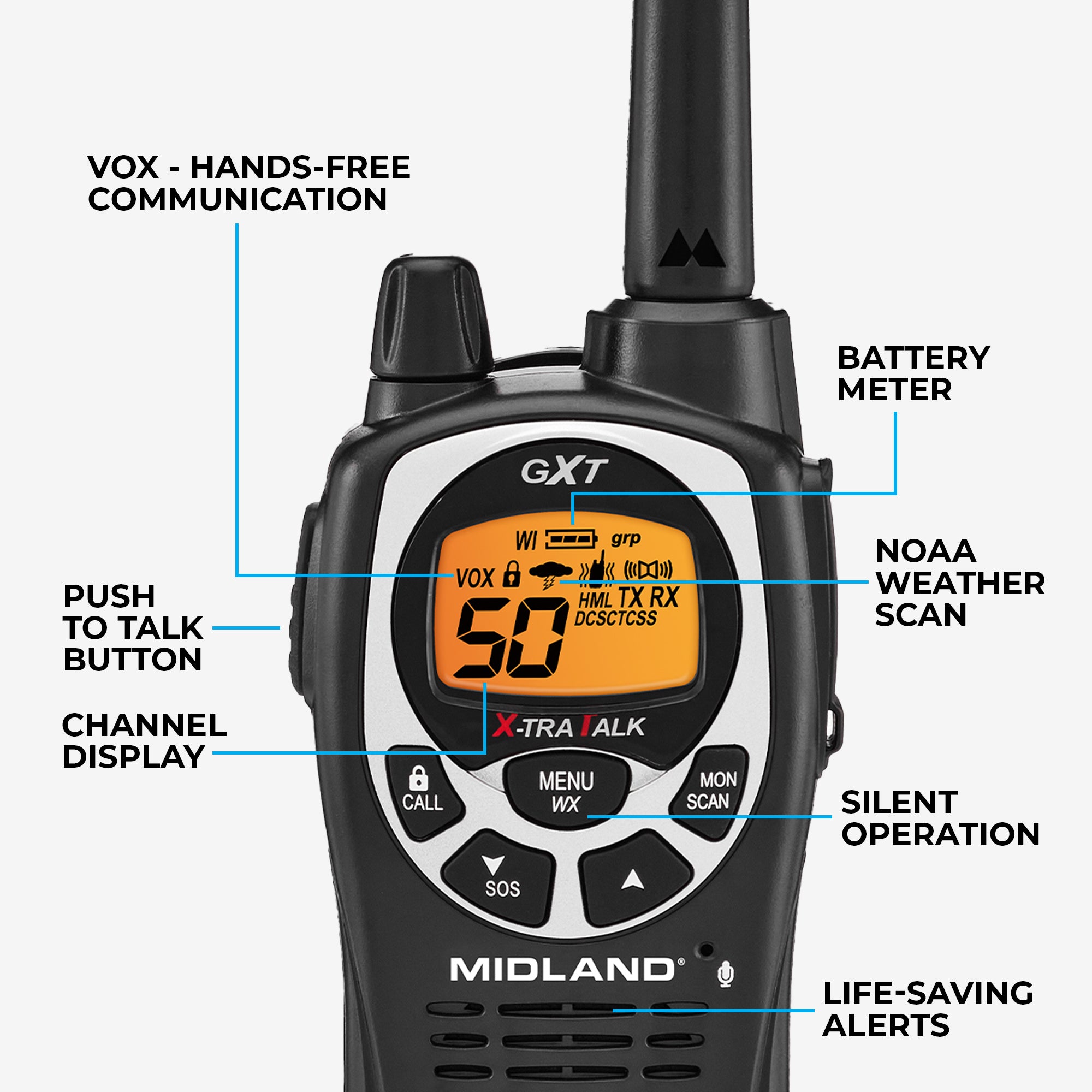
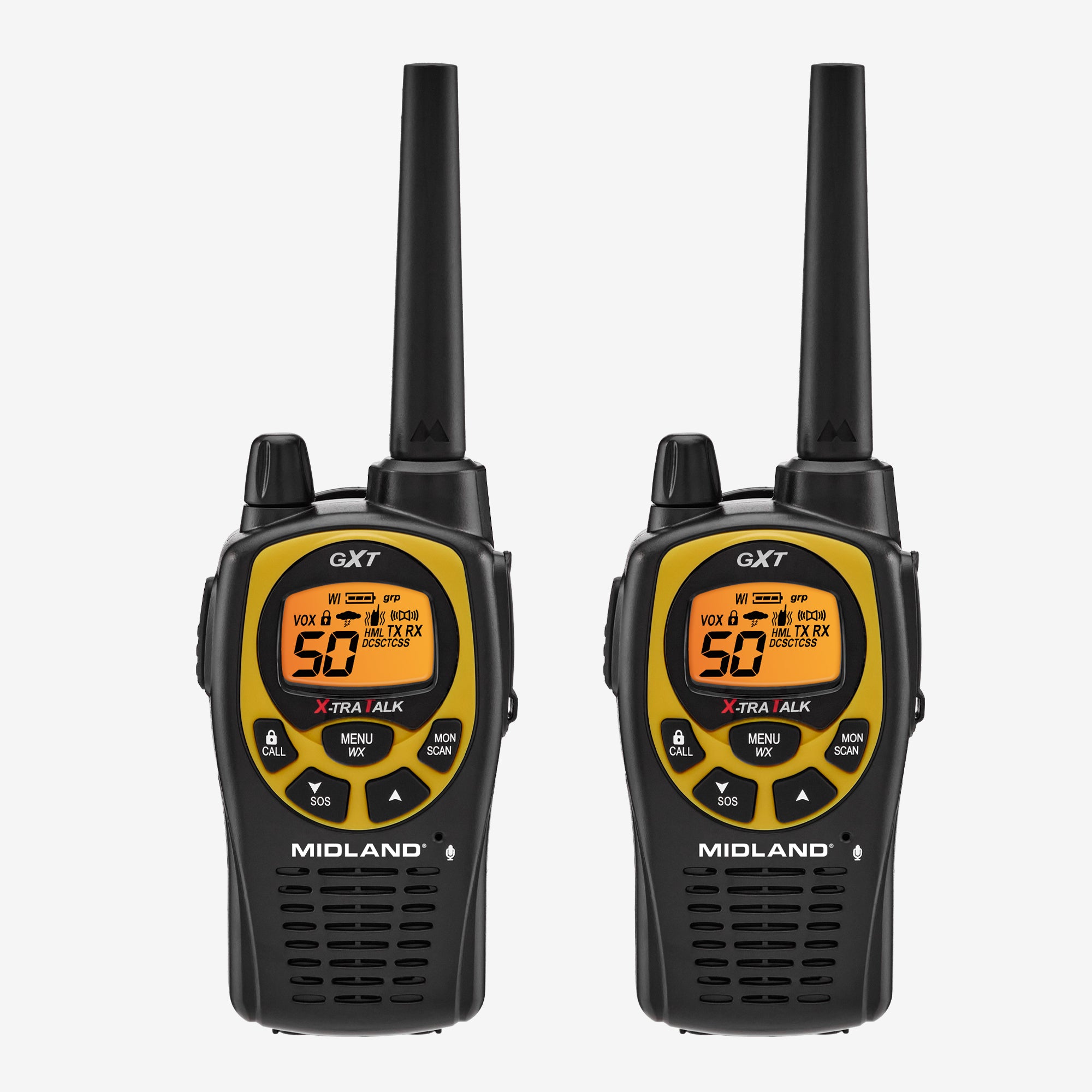
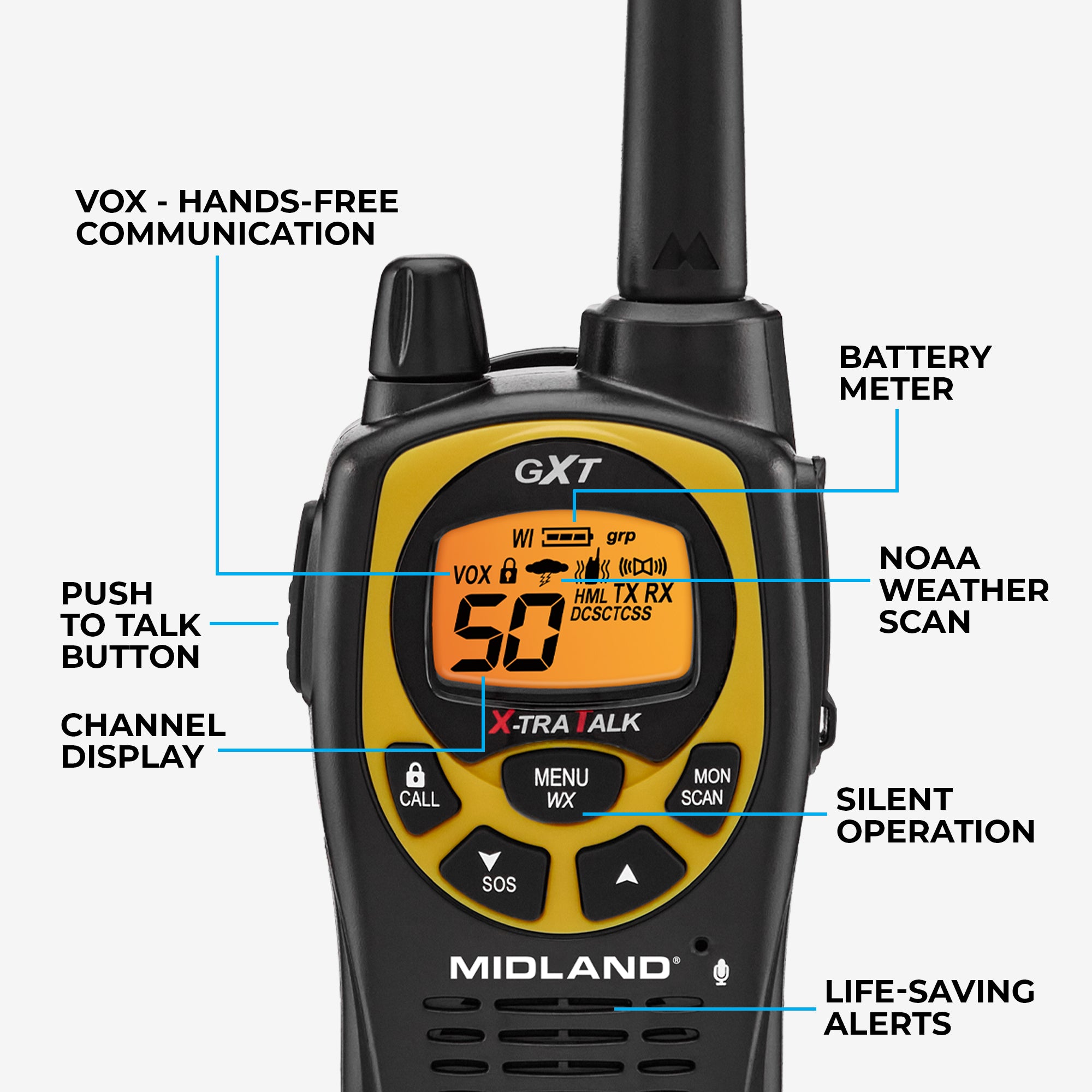
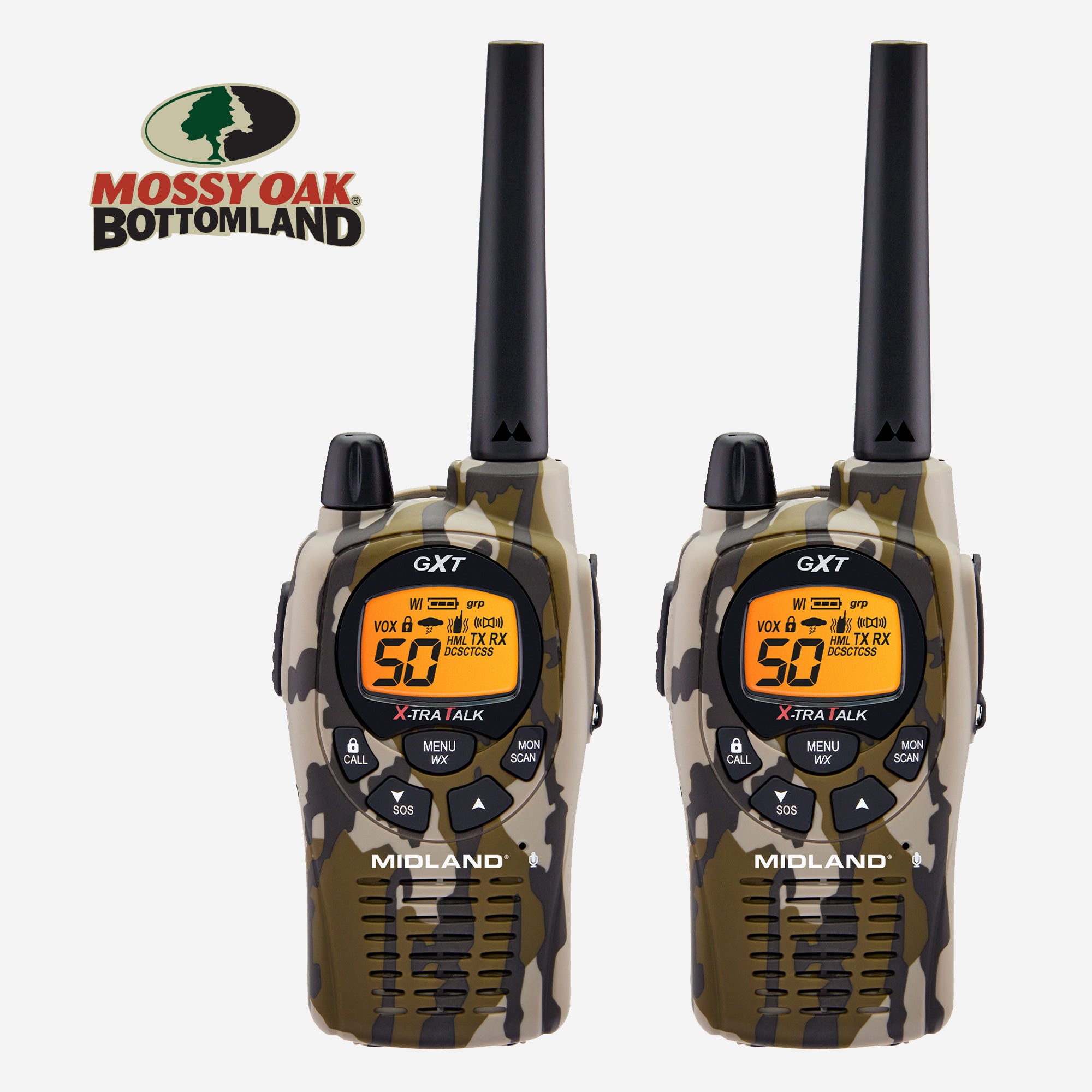
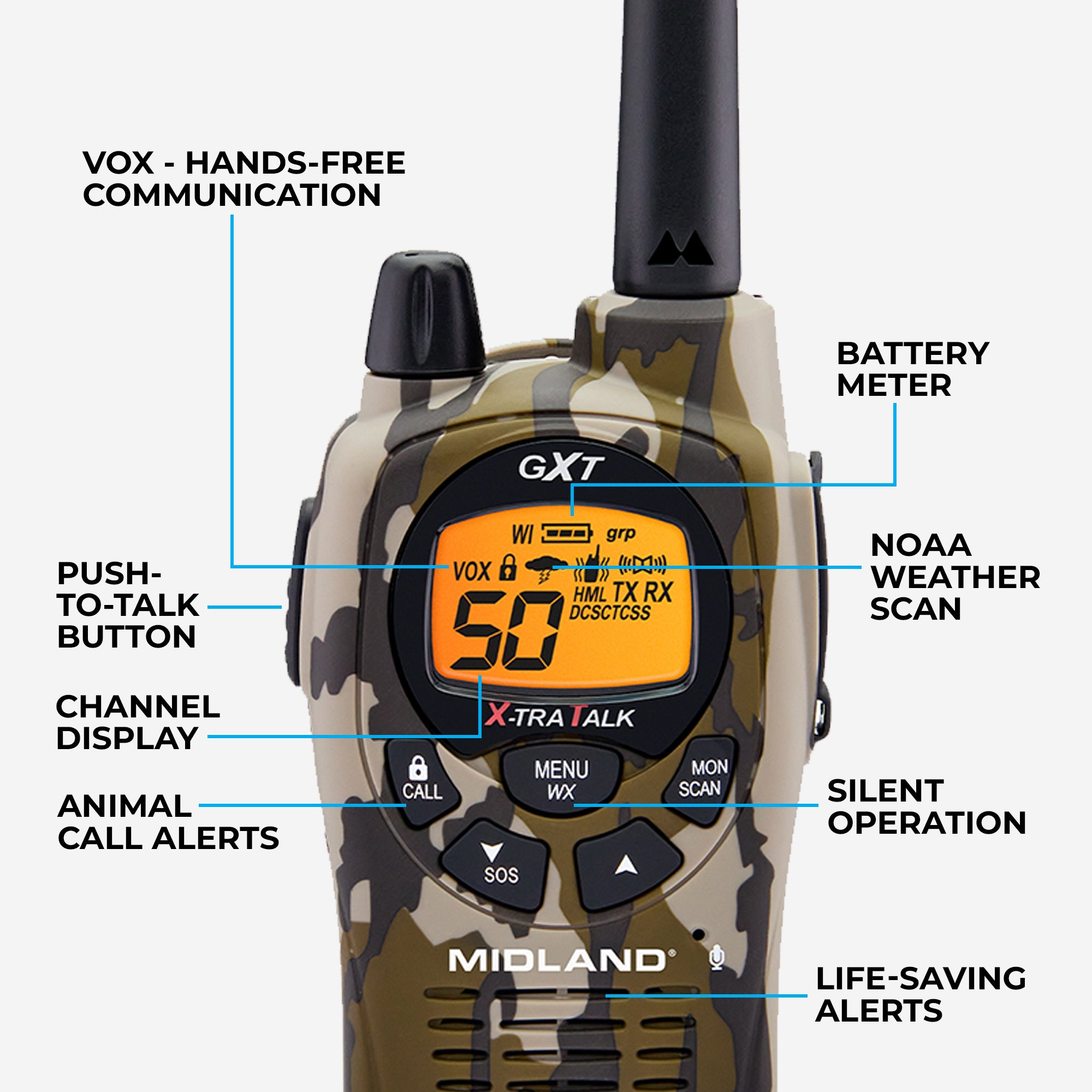
- FRS radios are now allowed to transmit up to 2W of power and do not require a license to operate: Formally referred to as FRS/GMRS hybrid radios, these radios will now be reclassified as FRS units using expanded FRS capabilities.
- FRS radios will now have 22 channels: These expanded capabilities now include usage of channels 8 – 14, and previously GMRS only channels 15 – 22, in addition to the existing FRS channels 1 – 7. It is important to note that each FRS transmitter type must be designed such that the effective radiated power (ERP) on channels 8 - 14 does not exceed 0.5 Watts and the ERP on channels 1 - 7 and 15 - 22 does not exceed 2.0 Watts. Part95 - eCFR
- You will be allowed to use reclassified FRS units for personal or business reasons: People have been doing this for a while, but now it is legal! While the Midland BizTalk BR200 radio is better suited for business use, the XTalker line can now be used in a business setting.
- Any radio above 2W of power is now classified as GMRS radio: and still requires a license from the FCC to operate. Not much change here, except sharing additional stations with FRS radio users.
- GMRS licensing is now good for 10 years and cost $35: This covers you and your immediate family and was previously only valid for 5 years.
- GMRS will have 30 total channels: This means 22 FRS/GMRS channels plus 8 repeater channels. As with FRS, radios on these channels are limited to the ERP designated. If you are using a GMRS radio on channels 8 -14 you are still limited to a transmitting power of .5W. FCC GMRS Channels
If you have questions regarding the new FCC regulations please give our industry-leading customer service a call at (816) 241-8500 M-F, 8am-4:30pm CST.




Share:
The MXT400 MicroMobile: Midland's Most Powerful GMRS Radio
What Are Repeater Channels and Why Do They Matter?
3 comments
[…] that is able to transmit above 2 Watts of power was reclassified as GMRS only after the recent FCC Changes in September […]
[…] GMRS radios, on the other hand, use specific frequencies within that same band designated for FRS radios: 462-467 MHz. The difference is that GMRS radios have designated channels within those frequencies that aren’t available to FRS radios. GMRS radios also require a license from the FCC to operate. […]
[…] frequencies are also between 462 and 467 MHz but do require a license to operate. That’s because GMRS radios can easily be modified to increase their power, boosting them into […]