

Midland is the proud official Communications Sponsor of MERUS Adventure Park.
MERUS is located in the Palo Duro Canyon of Texas, offering an off-road, overlanding, hiking, mountain biking, camping, and backpacking experience that is unlike anywhere else in the country.
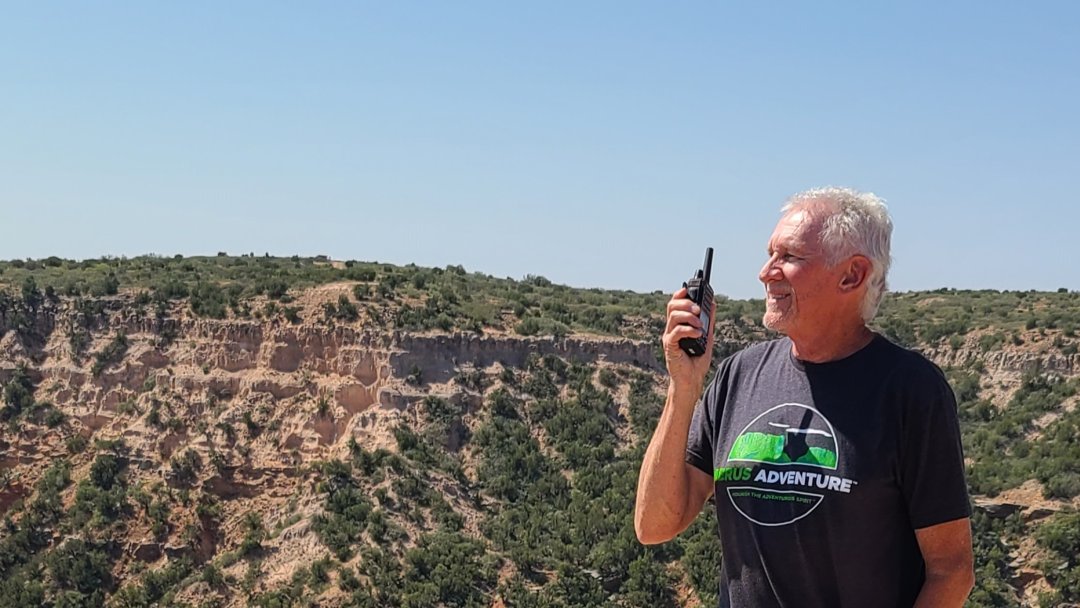
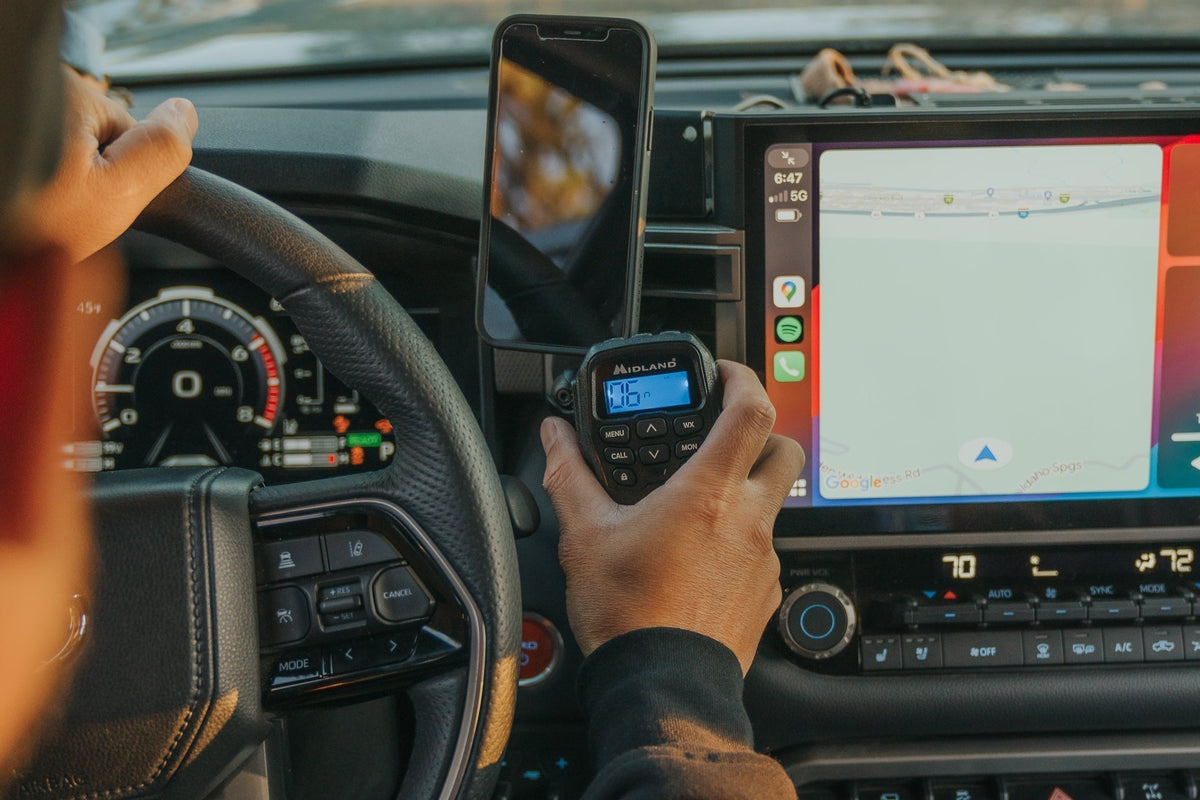
MERUS Adventure Park's Radio Technician, Dan McCabe WA8YYE/WRJH615, reviewed Midland's GXT67 GMRS 5-Watt Walkie Talkie - GXT67 PRO.
This is written by him.
Overview
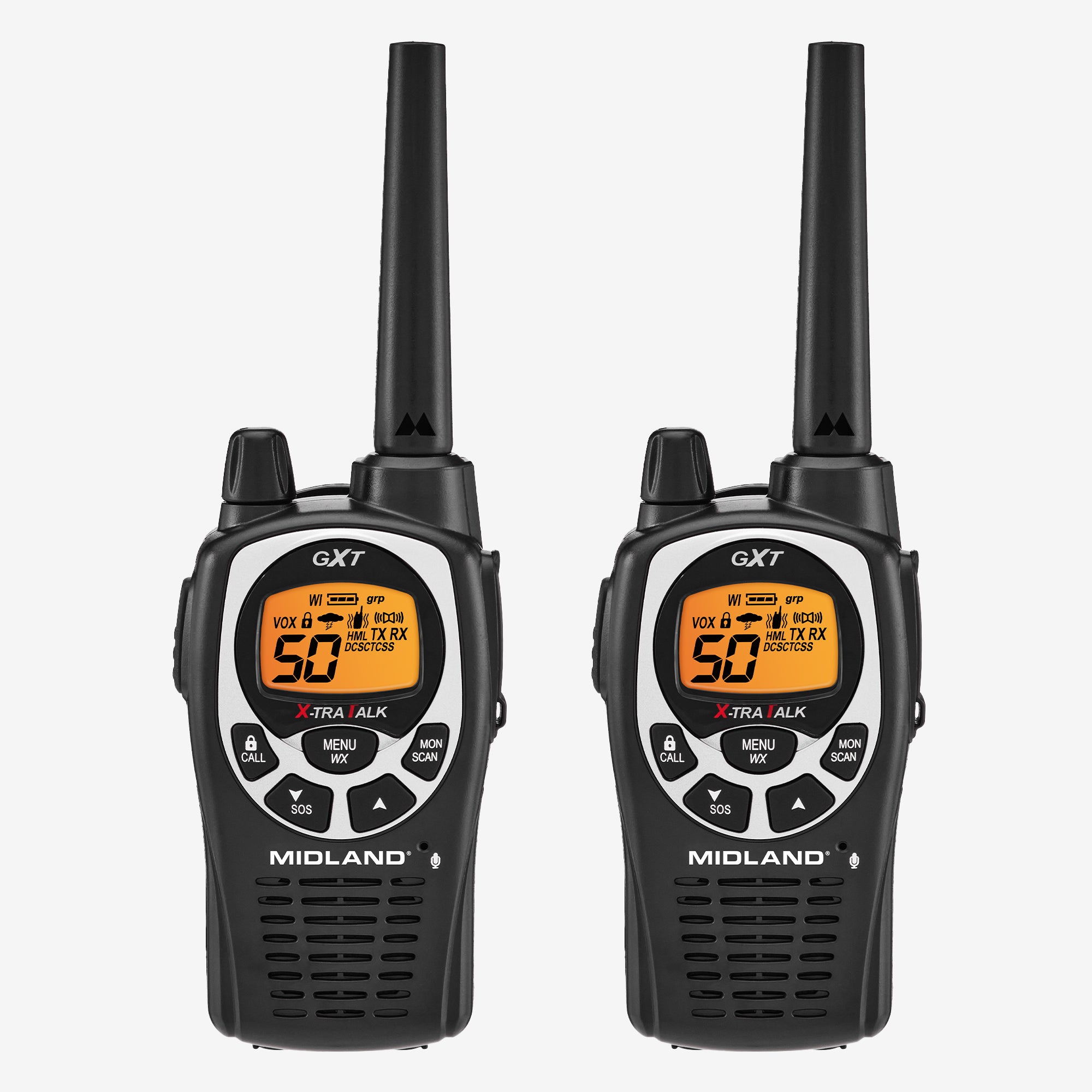
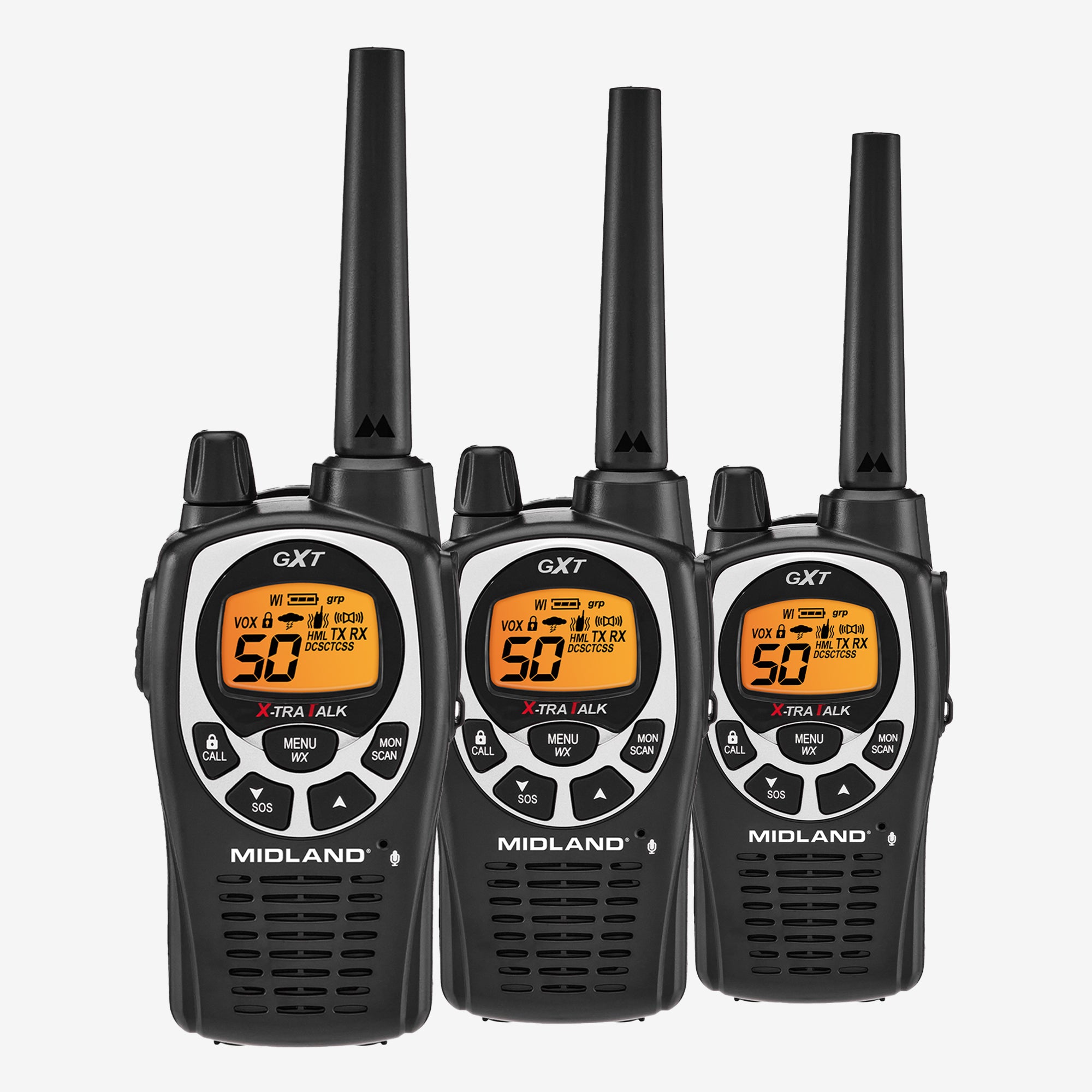
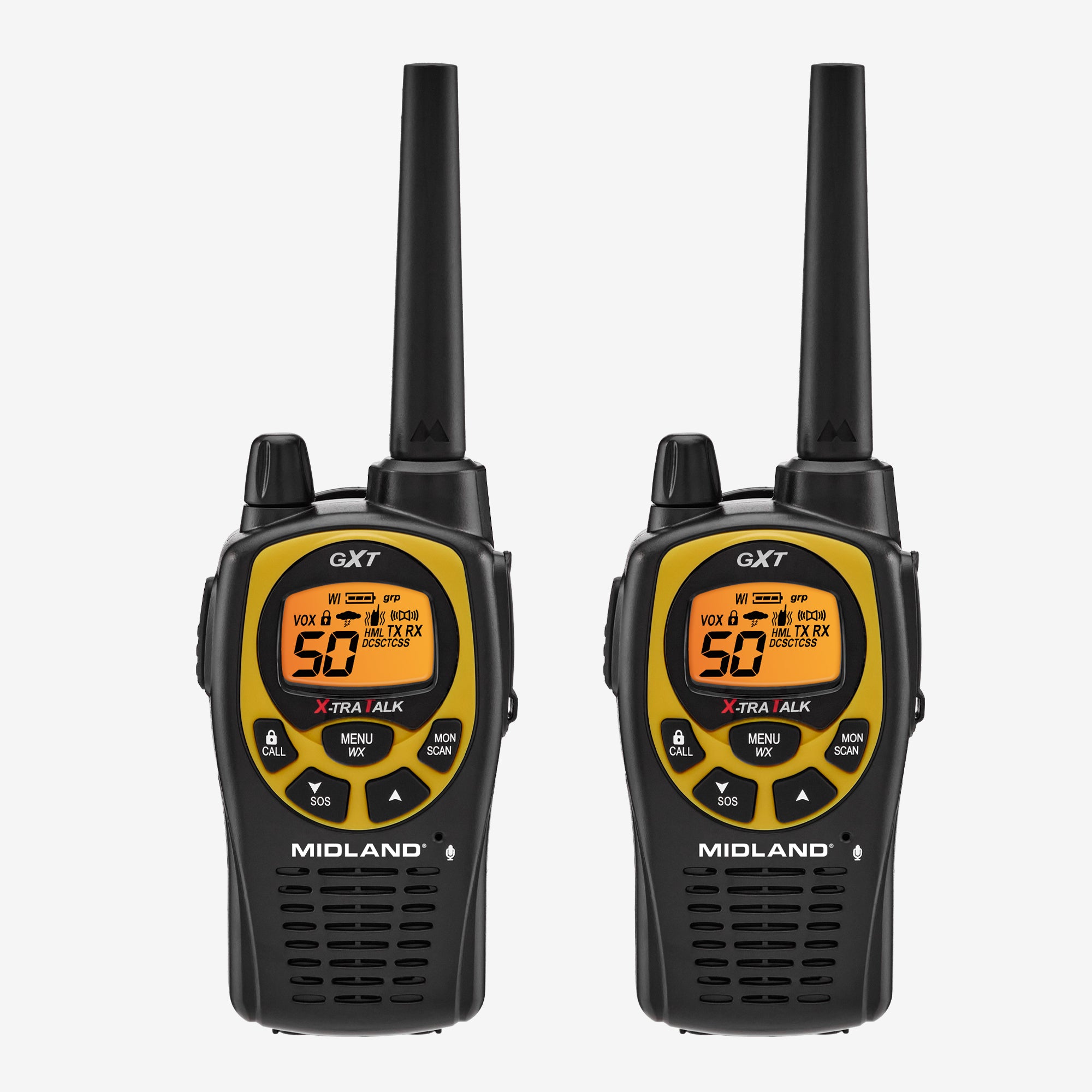
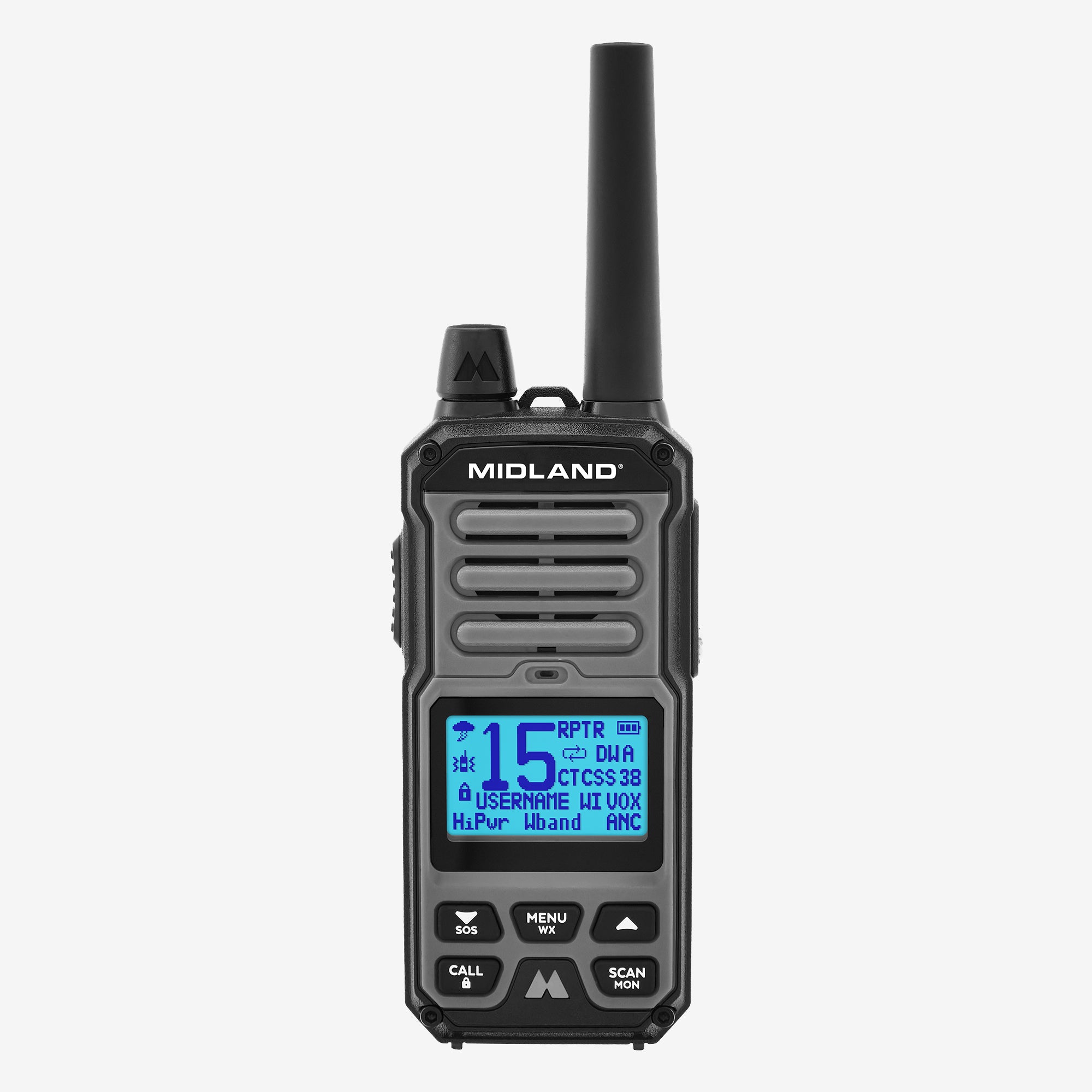
The Midland GXT67 PRO is a heavy-duty GMRS handheld two-way radio that comes programmed with 22 standard GMRS/FRS channels, 28 preset privacy code channels, and can be configured for up to 49 user-defined channels. It also has 8 GMRS repeater channels that can be configured for single or split tones.
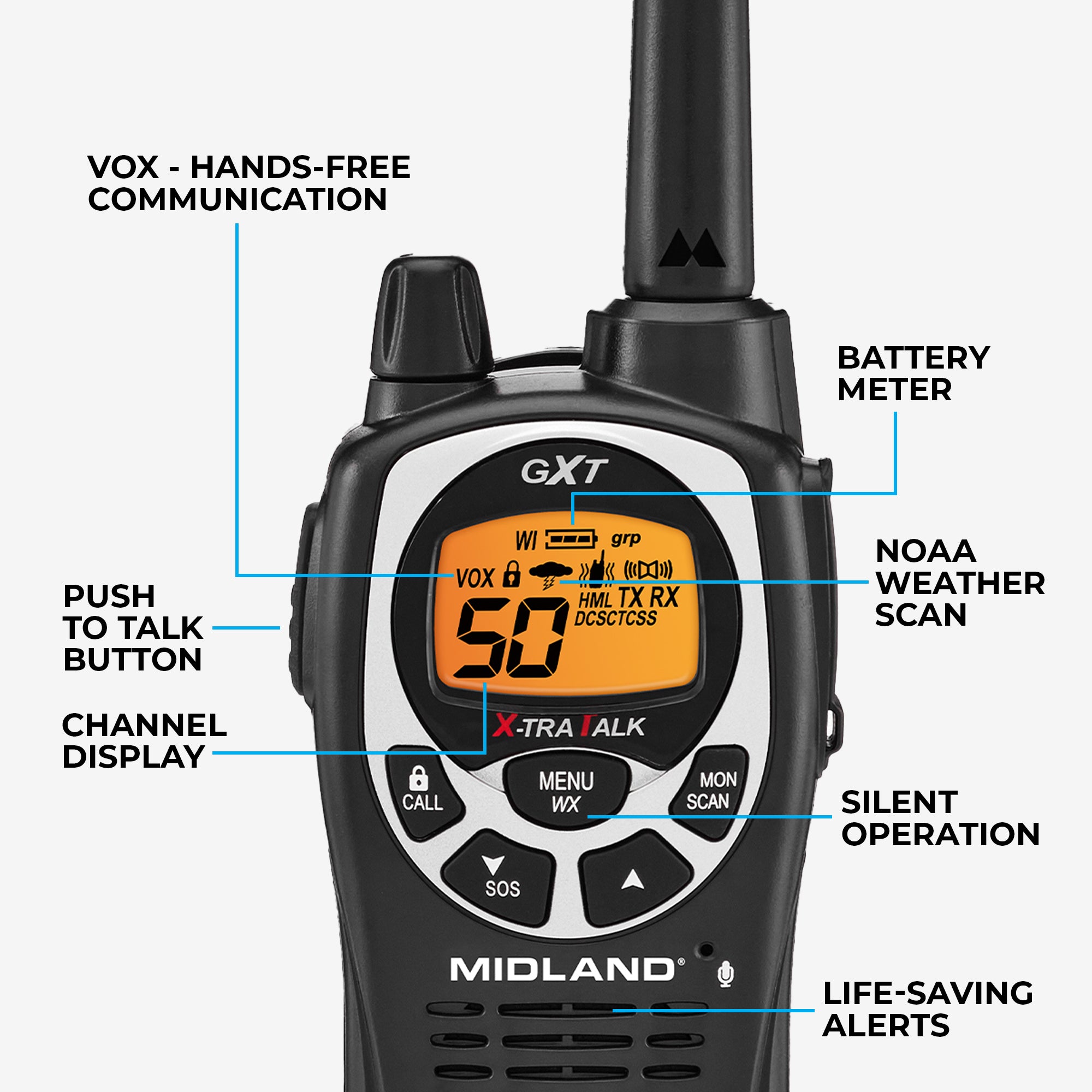
The radio operates at three power levels (low, medium, high) with a maximum stated output of 5 Watts. It is IP67 waterproof and dustproof, and can function as a NOAA Weather Alert Radio. It also has several menu-accessible options. The permanently attached high-capacity battery is rechargeable by way of an external cradle and AC adapter or USB-C cable. The radio also includes a permanently attached antenna.
Real-World Testing
Detailed receiver and transmitter specifications for the GXT67 PRO are not supplied by the manufacturer. Since the antenna is not removable, certain measurements using standard communications testing equipment and procedures couldn't be performed. Therefore, real-world field testing was done with this radio and a popular model of similar function and features (Baofeng UV-9G).
Testing was conducted at MERUS Adventure Park in Palo Duro Canyon, which is the second-largest canyon in the U.S. This location presents many challenges to reliable two-way radio communications due to its vast wide open spaces, deep narrow creek beds, and canyons. All tests were performed at maximum rated power output from both units (5 Watts), except for channels 8 through 14, which were not tested due to their low power limitations (per FCC regulations). Batteries were initially fully charged. It should also be noted that during testing, ambient temperatures ranged from 80°F to over 105°F.
The primary goals were to determine maximum usable range, susceptibility to interference, battery life, and ease of operation.
Numerous test calls were placed from both radios at various locations throughout the canyon to distant radios at other locations. Signal reports were exchanged to document audio and RF signal quality from each radio.
Test Results
In actual operation, there was little discernible difference between the two radios regarding transmitted audio levels, audio and signal quality, and overall transmit range. Additionally, transmitted signals from both radios were observed on an RF spectrum analyzer (IFR 1200S) for the purpose of determining spectral purity, frequency accuracy, and FM deviation. Although undesirable spurious sidebands appeared from both radios, they were somewhat weaker on the GXT67 PRO, and the UV-9G caused interference on adjacent frequencies to a nearby receiver that was scanning the GMRS band. This didn't happen when transmitting with the GXT67 PRO.
Frequency accuracy was well within FCC specifications on both, though the GXT67 PRO was better (-20Hz) than the UV-9G (-220Hz). FM deviation (transmitted audio levels) was nearly identical on both radios (~3.9Khz).
Receiver sensitivity (the ability to hear weak signals) was also comparable in each model. However, the received audio from the GXT67 PRO was noticeably louder and clearer than the UV-9G when both were set to high volume levels.
The biggest performance difference between the two radios was receive selectivity (the ability to reject adjacent channel or adjacent frequency signals). This situation occurs when other radios are transmitting from nearby locations on different channels and is most obvious during large events where several radios are being used within close proximity of each other. Simply put, this is commonly called "bleed-over" or "splatter".
The GXT67 PRO exhibited none of these selectivity issues; whereas this was a major problem with the UV-9G and is typical of other inexpensive GMRS radios. A simple way to demonstrate this is to set either radio to GMRS channel 16 and the other to channel 2 (other channel combos work too). Although GMRS channels are numbered consecutively and these don't appear to be adjacent, the actual frequencies are. When talking on the GXT67 PRO in this situation, it will be heard on the UV-9G even though it's tuned to another channel. But the GXT67 PRO won't hear the UV-9G if it transmits.
It should be noted that this problem can be minimized by programming the UV-9G to "narrow" bandwidth rather than the standard "wide" mode. However, transmitted audio will be noticeably lower than normal (a compromise in performance).
To test battery capacity, both radios were first fully charged, then turned on and placed in Dual Watch and Dual Receive modes (a feature allowing them to simultaneously monitor two different channels). Volume was set to a comfortable level, and the radios were left on until they automatically shut off due to a low battery. Both radios shut down after nearly 48 hours of standby operation, with the GXT67 PRO shutting off about a half hour before the UV-9G. All things considered, there was little difference in usable battery capacity between the two models.
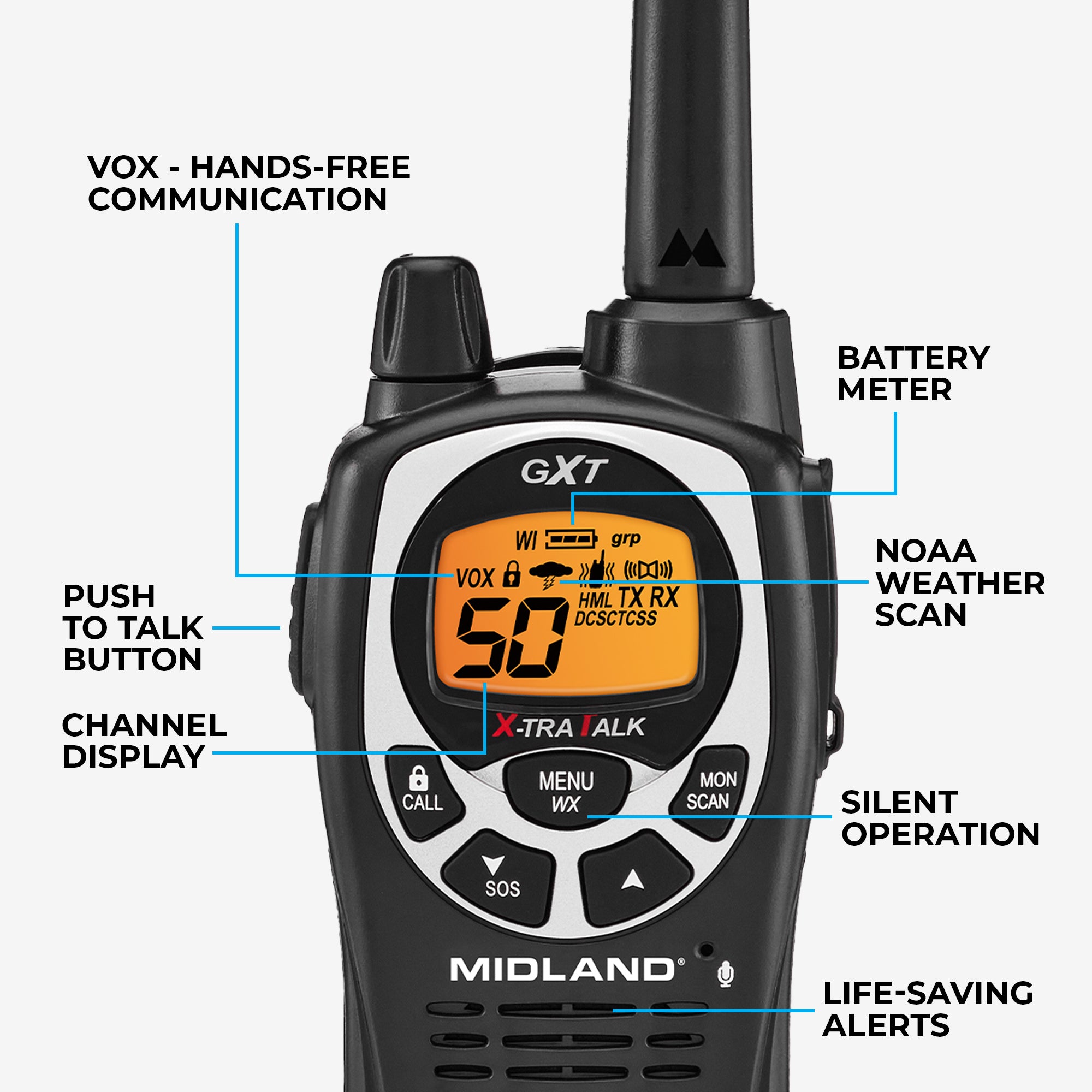
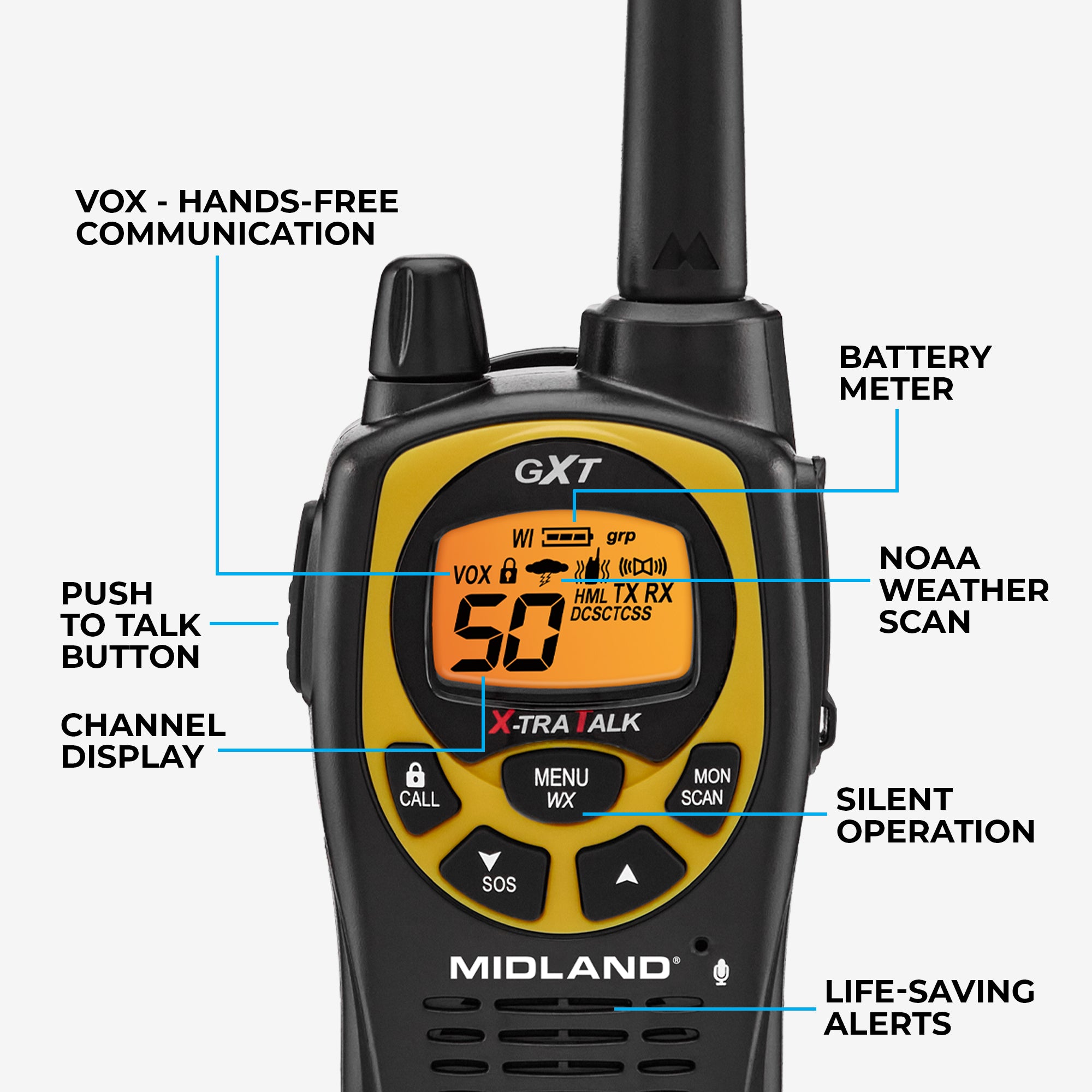
After a short learning curve, the Midland GXT67 PRO proved to be easier to operate than the Baofeng UV-9G. This is due to the fact that, in addition to the single PTT (Push-To-Talk) button on the side and volume on/off knob on top, it has only five buttons on the front panel. In contrast, the UV-9G has two additional buttons on the side and sixteen on the front. To be fair, those additional buttons have functions not readily accessible or available on the GXT67 PRO. Some of these functions are rarely used but can add to confusion for the typical user.
Additional Comments
Regarding function and features, the GXT67 PRO has several features that are very useful. These include selective channel scanning, Dual Watch, screen backlight color selection, brightness, and microphone noise reduction. These and others are all accessible via a user-friendly menu system. Several of these are available with the UV-9G as well.
The GXT67 PRO has a larger and easier-to-read screen than the UV-9G. Background colors can be changed on both, with seven choices for the GXT67 PRO and three for the UV-9G. Screen brightness is also adjustable on the GXT67 PRO but not on the UV-9G.
Both can also receive NOAA Weather Broadcasts, but only the GXT67 PRO has the Weather Alert feature.
On the other hand, the UV-9G can also receive standard FM radio broadcasts and has a built-in LED flashlight and emergency flasher. The GXT67 PRO does not.
It should also be noted that the UV-9G has a removable antenna. This allows the use of more compact or higher-performance antennas.
While both radios have a high-capacity battery (~3200mAh), it's permanently attached on the GXT67 PRO, but can be easily removed on the UV-9G. This is a useful feature allowing for a quick battery swap.
Both radios feel solid and are comparable in size and weight. Both are IP67 waterproof and dustproof.
Although the Baofeng UV-9G was used as a reference in this review, its performance is representative of several other budget-priced GMRS radios. Suggested retail price for the GXT67 is $200, while the UV-9G or similar models can be found for as low as $30.
The Bottom Line
While price is always a key consideration, it's just one factor when choosing a two-way radio. Performance, reliability, and ease of use are just as important—if not more—especially for those who depend on their radios in challenging environments.
Based on real-world testing, the Midland GXT67 PRO stands out as the superior choice. It delivers strong, interference-resistant communication, clearer audio, and a user-friendly design that makes operation straightforward. Its rugged build and IP67 waterproof rating ensure durability in tough conditions, making it a dependable option for outdoor enthusiasts, professionals, and GMRS users who prioritize performance.
While budget-friendly alternatives offer more features at a lower price, they come with trade-offs—particularly in selectivity and interference resistance. For those who need a reliable and well-built GMRS radio that performs consistently, even in adverse conditions, the GXT67 PRO justifies its $200 price tag.



Share:
Farmer Shares Why GMRS Are the Best Radios for the Farm
Stay Safe This National Preparedness Month with a Weather Radio